NHS Under 'Unprecedented Pressure' as Staff Shortages and Strikes Deepen Crisis
The National Health Service is facing what frontline staff describe as an unprecedented operational crisis, with severe staff shortages, record waiting times, and ongoing industrial action combining to create dangerous pressures on patient safety across England.
Key performance indicators paint a stark picture of a service under extreme strain. Over a third of patients in Accident and Emergency departments are waiting more than four hours to be seen, while one in five ambulance patients waits over an hour with crews before being admitted to hospital — delays that clinicians warn are directly contributing to avoidable harm.
Background
The NHS has been grappling with a structural workforce crisis for several years, exacerbated by the pandemic and its aftermath. Approximately 133,400 full-time vacancies were reported in NHS trusts between July and September of last year, representing a significant proportion of the total workforce. Low pay relative to comparable professions is consistently cited as the primary driver of staff leaving the service.
Key Developments
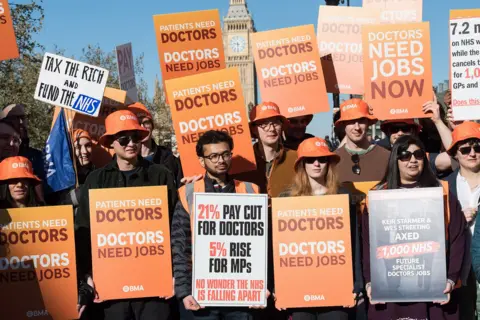
Industrial action by junior doctors, consultants, and other healthcare professionals has led to the postponement of over 819,000 appointments and procedures in England, adding to a backlog that was already at record levels. The government has launched a long-term workforce plan aiming to significantly increase the number of homegrown health professionals through expanded medical school places and apprenticeship routes.
However, the NHS remains heavily reliant on international staff, with a record one in five staff in England now being non-UK nationals. This reliance is under threat from a decline in overseas nurses joining the register and reports of an unwelcoming environment causing some foreign-trained doctors to leave the service.
In response to the crisis, innovative care models are being expanded. The "hospital at home" scheme, pioneered at Oxford's John Radcliffe Hospital, provides high-level medical treatment to patients in their own homes, reducing the need for hospital admissions. It is estimated to cost approximately half as much as traditional inpatient ward care. The NHS is also rolling out "virtual wards" nationally, using remote monitoring technology to manage patients outside of hospital settings.
Why It Matters
The NHS crisis affects millions of people across the UK who rely on the health service for routine and emergency care. Delays in treatment have been linked to worse patient outcomes, and the pressure on staff is contributing to burnout and further departures from the profession — creating a damaging cycle that is difficult to break without sustained investment and reform.
What's Next
The government's long-term workforce plan is expected to take years to deliver meaningful results. In the short term, resolving the ongoing industrial disputes and improving pay and working conditions for NHS staff are seen as the most urgent priorities. More on NHS hospital at home schemes from BBC News.