Health 3 min read

NHS to Offer Weight-Loss Drugs to Over a Million People in Major Public Health Drive

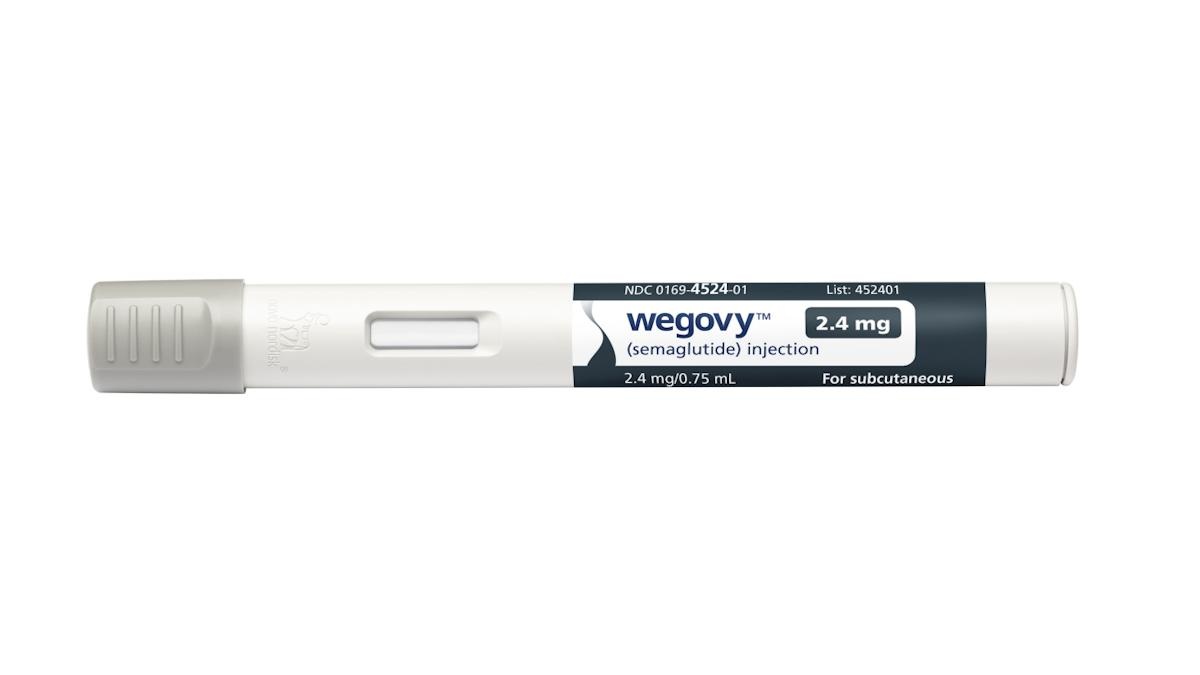
NHS England is set to offer weight-loss drugs including Wegovy and Mounjaro to an estimated 1.2 million people as part of a major public health initiative to reduce heart attacks and strokes. The programme marks a significant expansion of pharmaceutical obesity treatment within the health service.

Titanic NewsThursday, 2 April 202617 views
NHS to Offer Weight-Loss Drugs to Over a Million People in Major Public Health Drive

NHS to Offer Weight-Loss Drugs to Over a Million People in Major Public Health Drive

NHS England is set to offer new weight-loss drugs to an estimated 1.2 million people in a major public health initiative aimed at reducing the risk of heart attacks and strokes, marking a significant shift towards pharmaceutical intervention in the fight against obesity.

The programme, which will make medications including Wegovy and Mounjaro available to eligible patients, represents one of the largest expansions of obesity treatment in the history of the health service and is expected to have a profound impact on cardiovascular health outcomes across England.

Background

Obesity is one of the leading drivers of preventable illness in the United Kingdom, contributing to conditions including type 2 diabetes, heart disease, and certain cancers. The NHS has historically relied on lifestyle interventions — diet, exercise, and behavioural support — as the primary tools for managing obesity, but the arrival of a new generation of highly effective weight-loss medications has prompted a reassessment of this approach.

Key Developments

The rollout will target individuals who meet specific criteria related to their weight and cardiovascular risk factors. Wegovy and Mounjaro, both of which belong to a class of drugs known as GLP-1 receptor agonists, have demonstrated significant weight-loss effects in clinical trials, with some patients losing 15-20% of their body weight. The NHS programme is part of a preventative strategy designed to reduce the burden of cardiovascular disease on the health service.

The announcement comes as the NHS faces record waiting lists and significant financial pressures. Proponents of the programme argue that the upfront cost of the medications will be offset by long-term savings from reduced hospitalisations, fewer heart attacks and strokes, and lower demand for bariatric surgery.

Why It Matters

For the 1.2 million people who will be eligible for the programme, access to these medications could be life-changing. Obesity is a complex condition with significant psychological and social dimensions, and effective pharmaceutical support can make a meaningful difference to patients who have struggled with conventional weight-management approaches. The programme also signals a broader shift in how the NHS approaches preventative medicine.

What's Next

The rollout is expected to be phased, with priority given to those at highest cardiovascular risk. GPs will play a central role in identifying eligible patients and monitoring their progress. The programme will be closely watched by health systems around the world as a potential model for large-scale pharmaceutical obesity treatment.

Read more at Pharmaphorum.
What's Your Take?

NHSWeight Loss DrugsWegovyMounjaroUK Health Policy
Share:

Related Stories

NHS Resident Doctors' Strike Enters Final Days as Wes Streeting Warns of £300m Cost
Health

NHS Resident Doctors' Strike Enters Final Days as Wes Streeting Warns of £300m Cost

The NHS in England is in the final days of a six-day resident doctors' strike, with Health Secretary Wes Streeting warning the walkout will cost the health service £300 million. The 15th round of industrial action since 2023 has prompted discussions among senior officials about potentially banning doctors from striking, as the cumulative cost of all strikes approaches £3 billion.

Titanic News
3 min read11 Apr 2026
NHS Resident Doctors' Strike: What You Need to Know as 15th Walkout Disrupts Services
Health

NHS Resident Doctors' Strike: What You Need to Know as 15th Walkout Disrupts Services

Resident doctors in England are in the midst of their 15th strike since March 2023, with a six-day walkout running until 13 April 2026 disrupting NHS services across the country. Health Secretary Wes Streeting has not ruled out banning doctors from striking as the dispute over pay restoration to 2008 levels continues.

Titanic News
3 min read11 Apr 2026
Wes Streeting Refuses to Rule Out Banning Doctors' Strikes as NHS Crisis Deepens
Health

Wes Streeting Refuses to Rule Out Banning Doctors' Strikes as NHS Crisis Deepens

Health Secretary Wes Streeting has declined to rule out legislation banning doctors from striking, as the government faces mounting pressure over NHS waiting lists and the threat of further industrial action by the BMA.

Titanic News
2 min read10 Apr 2026
NHS Resident Doctors Begin Six-Day Strike Over Pay and Training Posts
Health

NHS Resident Doctors Begin Six-Day Strike Over Pay and Training Posts

NHS resident doctors in England are on a six-day strike from 7 to 13 April over pay and training posts, with the NHS urging patients not to delay seeking care. The action falls over the Easter bank holiday weekend, adding pressure to already stretched services. The dispute follows a period of record GP appointment numbers but also a three-year high in attacks on NHS staff.

Titanic News
3 min read10 Apr 2026