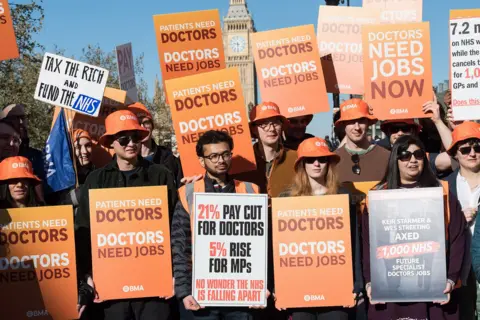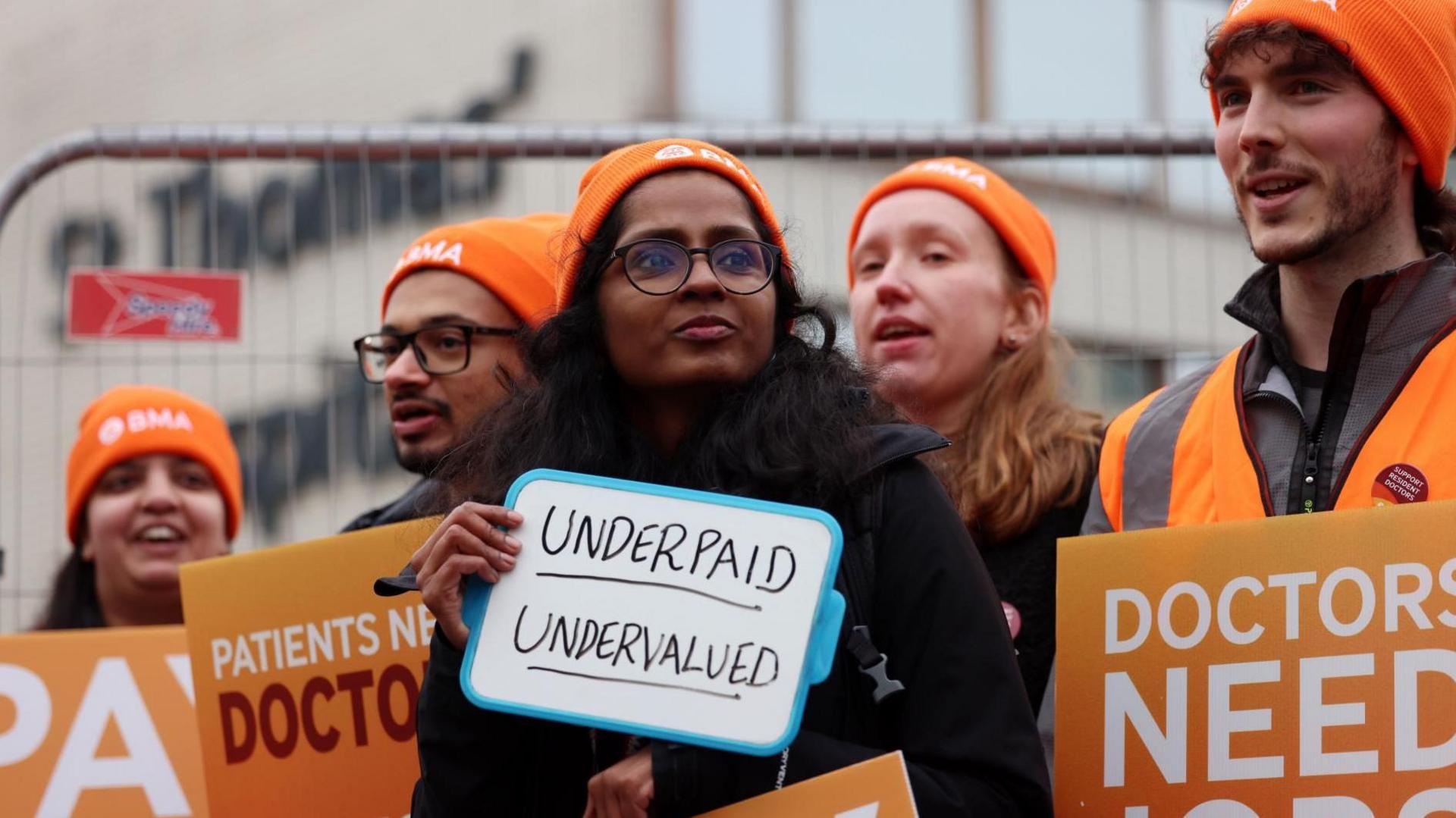
NHS Resident Doctors Begin Six-Day Strike as Pay Talks Collapse
Tens of thousands of NHS resident doctors in England are set to begin a six-day strike from Tuesday 7 April after talks between the government and the British Medical Association (BMA) broke down without agreement, raising fears of significant disruption to hospital services across the country.
The walkout, which is expected to affect routine appointments, elective procedures, and outpatient services, comes at a particularly difficult time for the NHS, which is already under pressure from rising demand and the ongoing restructuring of NHS England. Health Secretary Wes Streeting has urged patients not to put off seeking treatment during the strike, insisting that emergency services will continue to operate.
Key Developments
The BMA and the Department of Health and Social Care (DHSC) failed to reach a deal on pay and training conditions despite extended negotiations over the Easter weekend. The BMA has argued that resident doctors — formerly known as junior doctors — have seen their real-terms pay fall significantly over the past decade and that the government's offer falls short of what is needed to address the shortfall.
NHS England chief executive Sir Jim Mackey has indicated that the health service is preparing for a "long slog" of industrial action and will accelerate the development of clinical models that are less reliant on resident doctors. He has also confirmed that 18,000 staff from Integrated Care Boards (ICBs) and NHS England are slated for redundancy as part of government rationalisation efforts — a move that has added to tensions within the health service.
The strike is the latest in a series of industrial actions that have affected the NHS over the past several years, costing the health service billions of pounds in cancelled appointments and additional agency staff costs.
Background
The dispute over resident doctors' pay has been one of the most protracted industrial relations crises in NHS history. The previous Conservative government reached a deal with the BMA in 2024 that was intended to resolve the dispute, but tensions have re-emerged over the implementation of that agreement and the broader question of NHS pay policy under the Labour government.
The UK government finalised a landmark pharmaceutical partnership with the United States in late March, which is expected to accelerate NHS patients' access to new medicines and secure tariff-free access for UK pharmaceutical exports worth over £5 billion annually. However, critics argue that investment in new medicines is of limited value if the NHS does not have enough doctors to prescribe and administer them.
Why It Matters
The strike will affect hundreds of thousands of patients across England, with elective procedures and outpatient appointments likely to be cancelled or postponed. For patients already waiting on long NHS waiting lists, further delays could have serious consequences for their health and wellbeing.
The industrial action also raises broader questions about the sustainability of the NHS workforce model and the government's ability to manage its relationship with the medical profession. With the May local elections approaching, the strike is a significant political headache for Prime Minister Keir Starmer.
What's Next
The six-day strike is scheduled to run from 7 to 13 April. Both sides have indicated a willingness to return to the negotiating table, but no new talks have been scheduled. The NHS has activated its major incident protocols to manage the impact of the walkout, and patients are being advised to attend appointments as planned unless contacted directly by their hospital.
For the latest updates, see BBC News health coverage.