NHS Records Busiest A&E Month Ever as Meningitis Outbreak Hits Kent
March 2026 was the busiest month on record for NHS Accident and Emergency departments in England, with 2.43 million attendances — driven by a meningitis outbreak in Kent, a prolonged winter, and ongoing industrial action by resident doctors, NHS England confirmed on Thursday.
Despite the unprecedented demand, A&E waiting times actually improved, with nearly four in five patients (77.1%) seen within four hours — the best performance since July 2021 and the lowest A&E waiting times in half a decade.
Key Developments
A significant meningitis outbreak in mid-March, particularly in Kent, was a major driver of the record demand. The outbreak involved 21 confirmed cases of meningococcal group B (MenB), resulting in two student deaths and numerous hospitalisations. Approximately 12,000 people in the affected area received MenB vaccinations in response.
The NHS also faced disruption from a six-day walkout by resident doctors — the 15th such strike since 2023 — which added further strain to the system. Despite these challenges, NHS Deputy CEO Professor Meghana Pandit praised the efforts of NHS staff in achieving improvements in waiting times.
Background
Beyond A&E, the NHS reported progress in several other areas. The total waiting list decreased to 7.22 million in February 2026, a reduction of over 400,000 compared to July 2024. Cancer diagnosis times also improved, with over four in five patients (80.5%) with suspected cancer receiving a diagnosis or all-clear within 28 days in February — the highest proportion in NHS history.
Ambulance response times for the most serious incidents averaged 26 minutes and 18 seconds in March 2026, the fastest in almost five years. The government has invested £237 million to expand Community Diagnostic Centres across England, with 36 new and expanded centres now operational.
Why It Matters
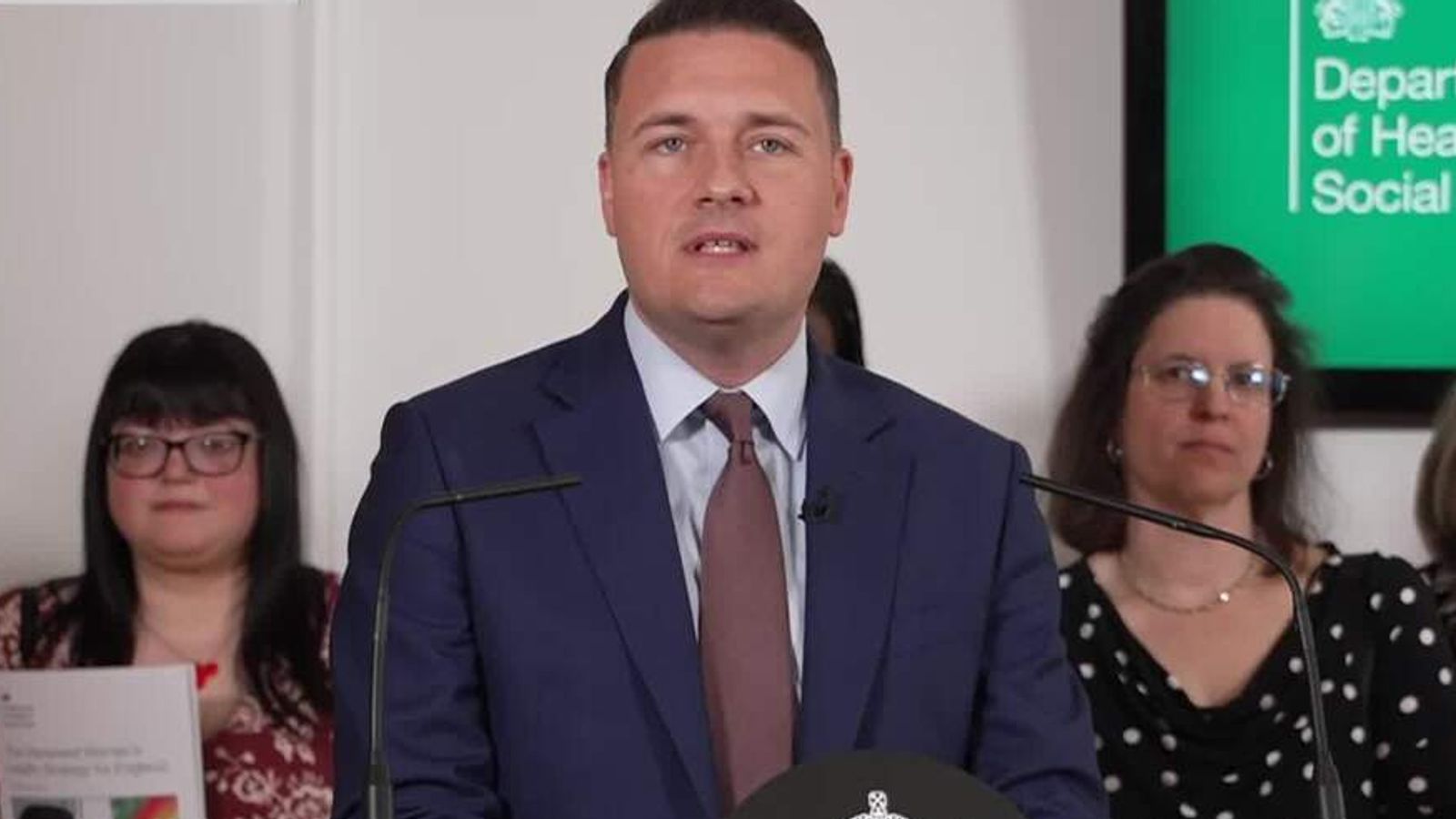
The record A&E figures demonstrate the extraordinary pressure on NHS emergency services, even as performance metrics show genuine improvement. Health Secretary Wes Streeting acknowledged the significant efforts of NHS staff while warning that the system remains under severe strain from multiple simultaneous pressures.
What's Next
The NHS is targeting 65% of patients being treated within 18 weeks by the end of March 2026 — the first time this level would have been achieved since November 2021. The government is also continuing to expand community diagnostic capacity and digital tools to help patients navigate waiting lists more effectively.
Full NHS statistics available at NHS England.