NHS Gene Therapy Restores Sight of Six-Year-Old Girl in Landmark Great Ormond Street Treatment
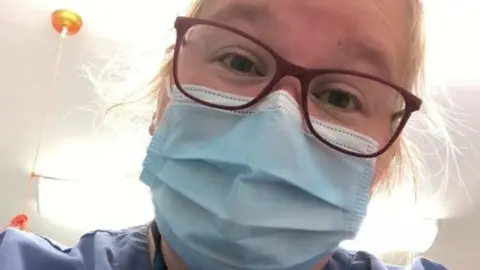
A six-year-old girl from Hertfordshire has had her sight dramatically restored through a pioneering gene therapy treatment delivered on the NHS at Great Ormond Street Hospital in London. Saffie Sandford, who was diagnosed with Leber's Congenital Amaurosis — a rare genetic condition that causes progressive blindness — has been able to see in the dark for the first time and now participates in activities that were previously impossible for her. Her case is part of a landmark study that has demonstrated the therapy's ability to strengthen visual pathways in young children.Background
Leber's Congenital Amaurosis (LCA) is a rare inherited eye condition caused by a mutation in the RPE65 gene, which prevents cells in the retina from producing a vital protein necessary for normal vision. Children born with LCA experience poor sight from birth, with the condition worsening progressively over time. Without treatment, most people with LCA are completely blind by adulthood — typically by their thirties. The condition affects approximately one in 80,000 people, making it one of the rarer inherited retinal diseases, but its impact on those affected and their families is profound.
The development of Luxturna (Voretigene Neparvovec) represented a breakthrough in the treatment of inherited retinal diseases. The therapy works by delivering a healthy copy of the RPE65 gene directly into the cells of the retina through a one-off injection into each eye. By restoring the gene's function, the therapy allows the retinal cells to produce the protein they need to process light and generate visual signals. Luxturna was approved for use on the NHS following a positive assessment by the National Institute for Health and Care Excellence (NICE), making it one of the first gene therapies to be routinely available through the health service.
Great Ormond Street Hospital (GOSH) has been at the forefront of gene therapy development and delivery for 25 years, and its joint service with Moorfields Eye Hospital NHS Foundation Trust — launched in 2020 — has treated a growing number of children with inherited retinal diseases. The hospital's expertise in paediatric gene therapy is internationally recognised, and it attracts patients from across the UK and beyond.
Key Developments
Saffie Sandford was diagnosed with LCA when she was five and a half years old, after her parents noticed she had difficulty seeing in the dark. Following initial tests at Moorfields Eye Hospital, she was referred to GOSH for treatment. She received Luxturna in her first eye in April 2025, just before her sixth birthday, and in her second eye in September 2025. The results have been transformative: Saffie can now see in the dark, her peripheral vision in daylight has improved significantly, and she is able to participate in activities — riding a bike, trampolining, swimming, playing on a climbing frame — that were previously impossible for her.
Her mother, Lisa, described the effect as "life-changing," noting that Saffie can now go trick-or-treating and dine out in the evening — experiences that had been denied to her by her inability to see in low light. Researchers at GOSH and University College London published a study in JAMA Ophthalmology demonstrating that Luxturna can improve sight and strengthen visual pathways in young children with RPE65-related retinal disease. The study, the largest of its kind in the UK, followed 15 children aged between 15 months and 12 years who received the therapy at GOSH from 2020 to 2023. Seven out of ten children who completed pattern visual evoked potential testing showed clinically meaningful improvements.
Consultant ophthalmologist Rob Henderson noted that the gene therapy "objectively strengthens visual pathways in babies and young children with this rare eye condition," adding that even small improvements have a significant impact on families. Without treatment, Saffie was projected to be blind by age 30.
Why It Matters
Saffie's story is a powerful illustration of what the NHS can achieve when it invests in cutting-edge treatments and makes them available to patients regardless of their ability to pay. Gene therapy represents one of the most exciting frontiers in medicine, with the potential to treat or cure conditions that were previously considered untreatable. The fact that Luxturna is available on the NHS — rather than only to those who can afford to pay privately — is a reflection of the health service's commitment to equitable access to innovation.
The GOSH study's findings have broader implications for the field of paediatric gene therapy. The use of pattern visual evoked potentials as an outcome measure — a painless, non-invasive test that can be used even in very young children or those with neurodevelopmental conditions — provides a model for assessing the effectiveness of gene therapies in populations that cannot easily participate in traditional vision tests. This methodological innovation could accelerate the development and approval of gene therapies for other inherited conditions.
For context, the UK is one of the world leaders in gene therapy research and clinical delivery, with GOSH, Moorfields, and several university hospitals at the forefront of the field. The government's Life Sciences Vision, published in 2021, identified gene therapy as a priority area for investment, and the NHS's willingness to fund treatments like Luxturna is a critical part of the UK's ability to attract and retain gene therapy research and development.
Local Impact
For families across the UK and Ireland living with inherited retinal diseases, Saffie's story offers genuine hope. The Royal Victoria Hospital in Belfast and the Royal Victoria Eye and Ear Hospital in Dublin both treat patients with inherited retinal conditions, and the availability of Luxturna on the NHS means that eligible patients in Northern Ireland can access the treatment without travelling to London. The HSE in the Republic of Ireland has been assessing Luxturna for potential inclusion in its reimbursement scheme, and Saffie's case is likely to strengthen the case for approval. Charities including Fighting Blindness Ireland and the Macular Society have welcomed the GOSH study's findings and are calling for accelerated access to gene therapies across the island of Ireland.
What's Next
The GOSH and UCL study has been published in JAMA Ophthalmology and is available to researchers and clinicians worldwide. GOSH is continuing to treat children with LCA and other inherited retinal diseases, and is involved in clinical trials of gene therapies for additional conditions. NICE is currently assessing several other gene therapies for potential NHS approval, with decisions expected later in 2026. The government's forthcoming Life Sciences Strategy update is expected to include new commitments on gene therapy research and clinical delivery.
Sources: Great Ormond Street Hospital | BBC News