Record €29bn Health Budget Aims to Tackle Waiting Lists and Boost Community Care
The Health Service Executive (HSE) has published its National Service Plan for 2026, outlining a record budget of €29 billion for health and social care in Ireland. The plan prioritises improving access to care, with a strong focus on reducing waiting times for both emergency and scheduled treatments. A significant €3.8 billion investment in disability services, representing a 20% increase from 2025, is a cornerstone of the new strategy, alongside the addition of hundreds of new hospital and community beds and the expansion of mental health services.
Background
The Irish health service has been under immense pressure for many years, grappling with long waiting lists, hospital overcrowding, and difficulties in recruiting and retaining staff. Successive governments have pledged to reform the system, with the Sláintecare report of 2017 providing a cross-party consensus for a move towards a universal, single-tier health service. The implementation of Sláintecare has been a slow and complex process, but the principles of universal access and a shift towards community-based care remain the guiding vision for the future of the health service.
The COVID-19 pandemic placed unprecedented strain on the health system, but it also accelerated the adoption of new technologies and models of care. The 2026 National Service Plan aims to build on these innovations, with a focus on digital health solutions and a more integrated approach to care delivery. The establishment of six new Health Regions is a key part of this strategy, designed to empower local decision-making and ensure that services are tailored to the specific needs of each region.
Disability services have long been an area of concern, with families and advocates highlighting the need for increased investment and a more person-centred approach. The significant funding increase announced in the 2026 plan is a welcome development and reflects a growing recognition of the importance of providing high-quality, community-based services for people with disabilities.
Key Developments
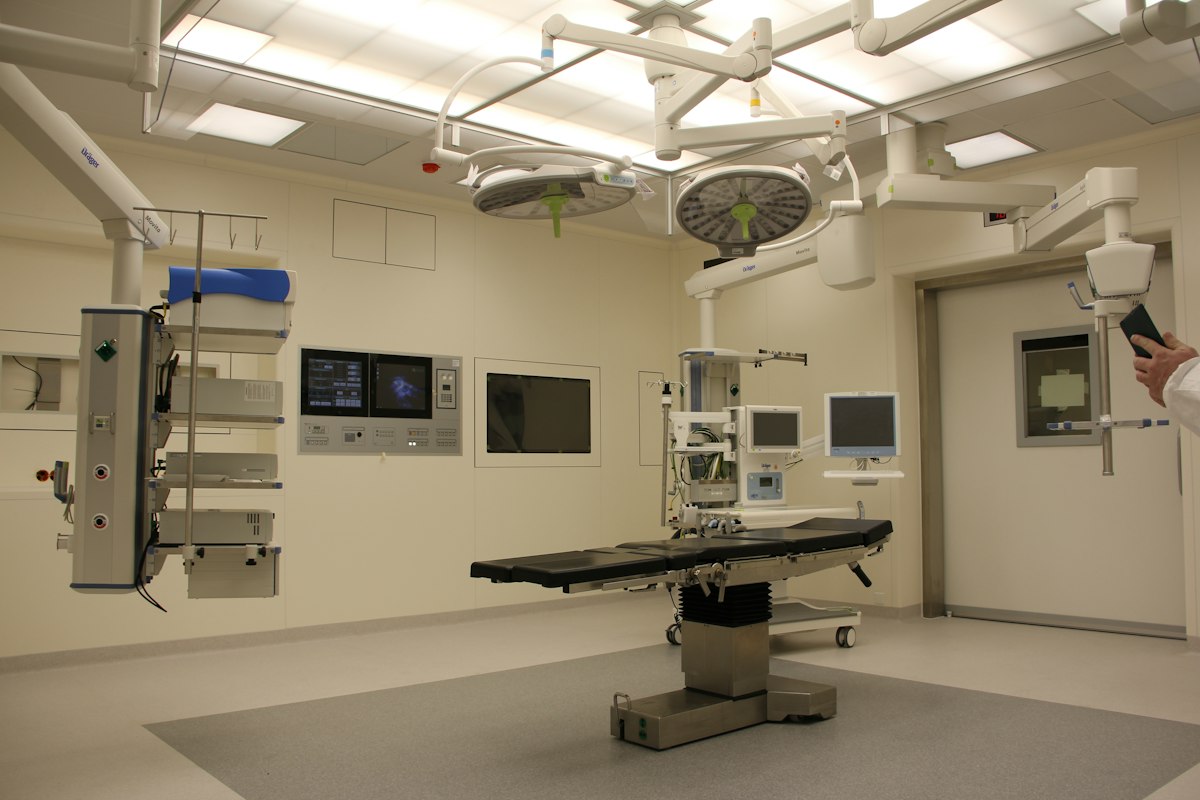
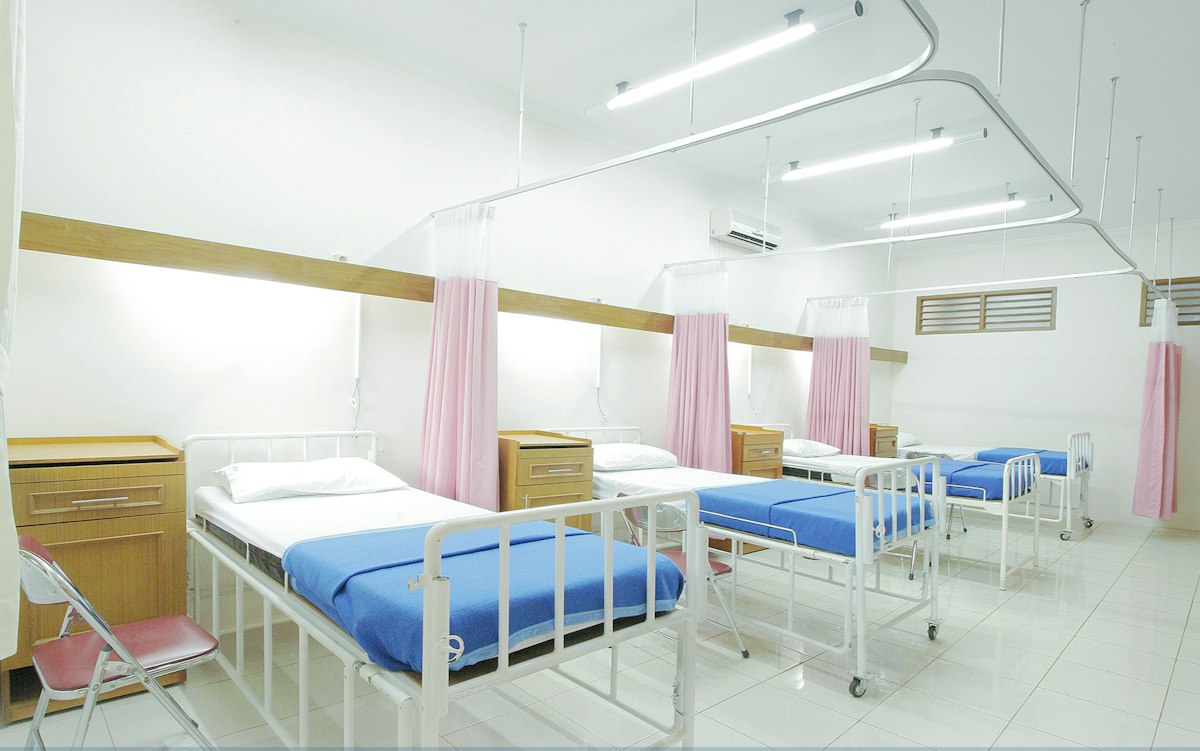
The €29 billion budget for 2026 is the largest in the history of the state and will fund a wide range of new initiatives. These include the provision of 428 new community beds and 177 new acute hospital beds, which will help to alleviate pressure on emergency departments and reduce waiting times for admission. The long-awaited completion of the National Children's Hospital Ireland (NCHI) is also a major priority, as is the operationalisation of five new surgical hubs, which will increase capacity for elective procedures.
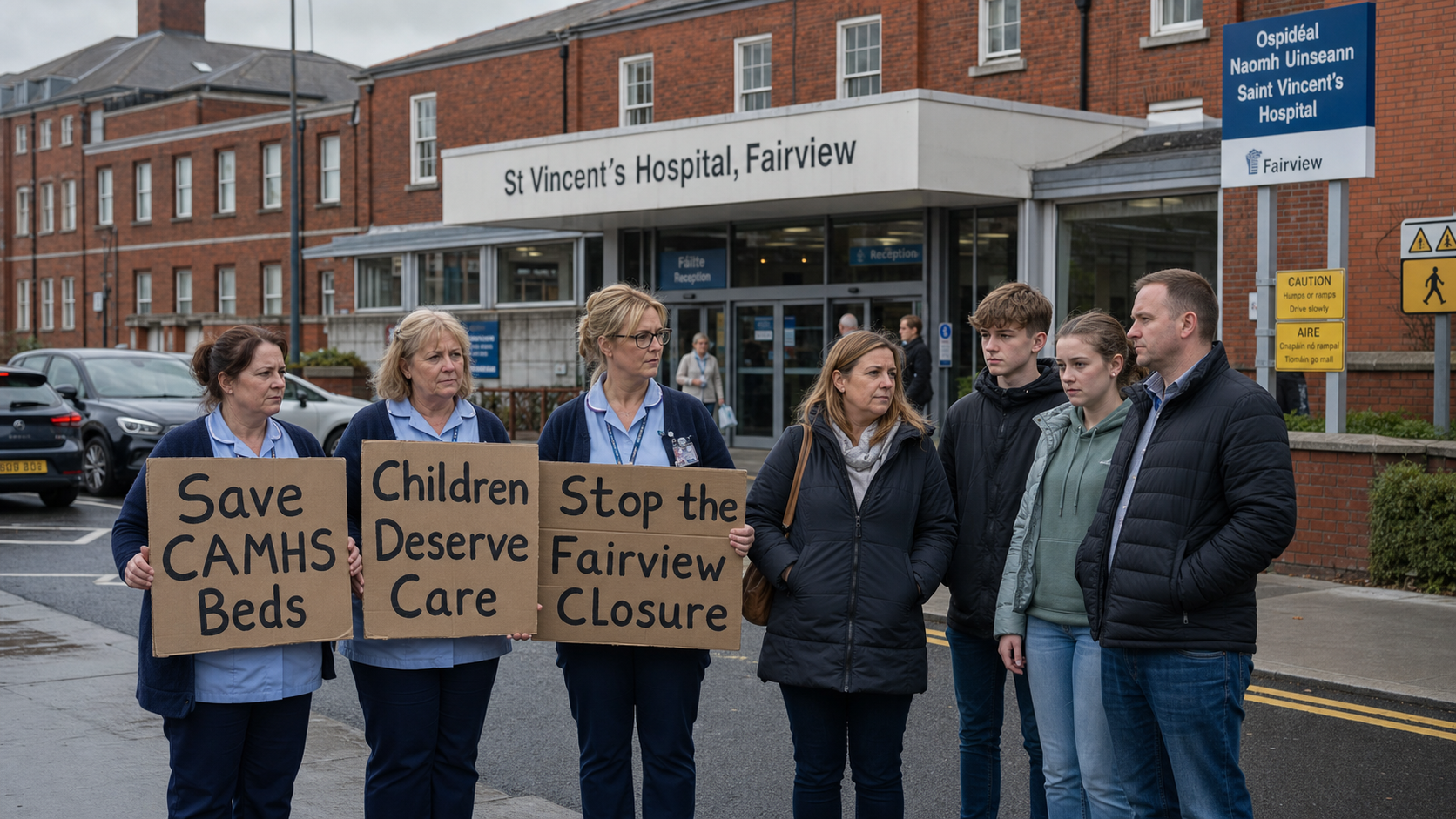
The €3.8 billion investment in disability services will fund 199 new residential placements and a range of other community-based supports. In mental health, 300 additional staff will be recruited, and new crisis resolution teams will be established in Donegal, Kerry, and the Midlands. The plan also includes a number of digital health initiatives, such as the rollout of a Shared Care Record in Dublin South East and the expansion of the Maternity and Newborn Electronic Health Record to four more maternity units. HSE Chairman Ciarán Devane stated, "Our priority for 2026 is to improve access to care by making significant improvements to waiting times for both emergency and scheduled care." HSE CEO Bernard Gloster said, "2026 is the first year and first major step towards the type of resource allocation and the pathway set by the Minister is clear." Full details are available on the HSE website. Further information on the government's health policies can be found on the Department of Health website.
Why It Matters
The 2026 National Service Plan represents a major statement of intent from the government and the HSE. The record level of investment is a clear acknowledgement of the challenges facing the health service and a commitment to addressing them. The focus on reducing waiting lists and improving access to care will be welcomed by patients and their families, who have long borne the brunt of a system under strain. The increased funding for disability and mental health services is also a significant step forward, addressing areas of historic underinvestment.
However, the plan is not without its challenges. The recruitment and retention of staff remains a major obstacle, and the HSE will need to compete in a global market for healthcare professionals. The rising cost of healthcare and the increasing demands of an ageing population will also place ongoing pressure on the budget. The successful implementation of the plan will depend on strong leadership, effective management, and a collaborative approach from all stakeholders.
Local Impact
The impact of the National Service Plan will be felt in communities across Ireland. The new hospital and community beds will provide much-needed capacity at a local level, while the expansion of mental health and disability services will improve access to care for some of the most vulnerable members of society. The rollout of digital health technologies will also have a positive impact, enabling more integrated care and empowering patients to take a more active role in managing their own health. The establishment of the new Health Regions is intended to ensure that these national initiatives are translated into tangible benefits for local communities.
What's Next
The focus now turns to the implementation of the 2026 National Service Plan. The HSE will work closely with the Department of Health, the new Health Regions, and other stakeholders to deliver on the commitments outlined in the plan. Progress will be closely monitored, and the HSE will be held to account for its performance. The ultimate measure of success will be a tangible improvement in the quality and accessibility of care for the people of Ireland.