Irish HSE Launches Record €29 Billion Health Plan Targeting Waiting Times and Capacity
Ireland's Health Service Executive (HSE) has published its National Service Plan for 2026, backed by a record budget of €29 billion, as it attempts to tackle the country's spiralling hospital waiting lists and expand system capacity. The plan includes significant investment in disability services and pledges to deliver new beds and surgical hubs, but has been criticised by hospital consultants as falling far short of what is required.Background
The Irish health system has long struggled with issues of capacity and access, resulting in some of the longest waiting times for treatment in Europe. The problem affects all aspects of care, from seeing a GP to getting a hospital outpatient appointment and, finally, receiving inpatient treatment. The Sláintecare programme, a cross-party political agreement, provides a ten-year vision for reforming the health service, with a core aim of providing universal access to timely care. However, progress has been slow, and the waiting list crisis has continued to deepen, exacerbated by the pressures of the COVID-19 pandemic and a growing and ageing population. The Irish Hospital Consultants Association (IHCA) has been a vocal critic, regularly highlighting the scale of the problem and the impact on patients.
The annual National Service Plan is the HSE's operational plan for delivering health and social care services for the year ahead. It outlines the key deliverables, performance targets, and financial allocations for the entire system. The 2026 plan is backed by the largest budget in the history of the state, reflecting the political priority attached to tackling the healthcare crisis under the new Minister for Health, Jennifer Carroll MacNeill.
Key Developments
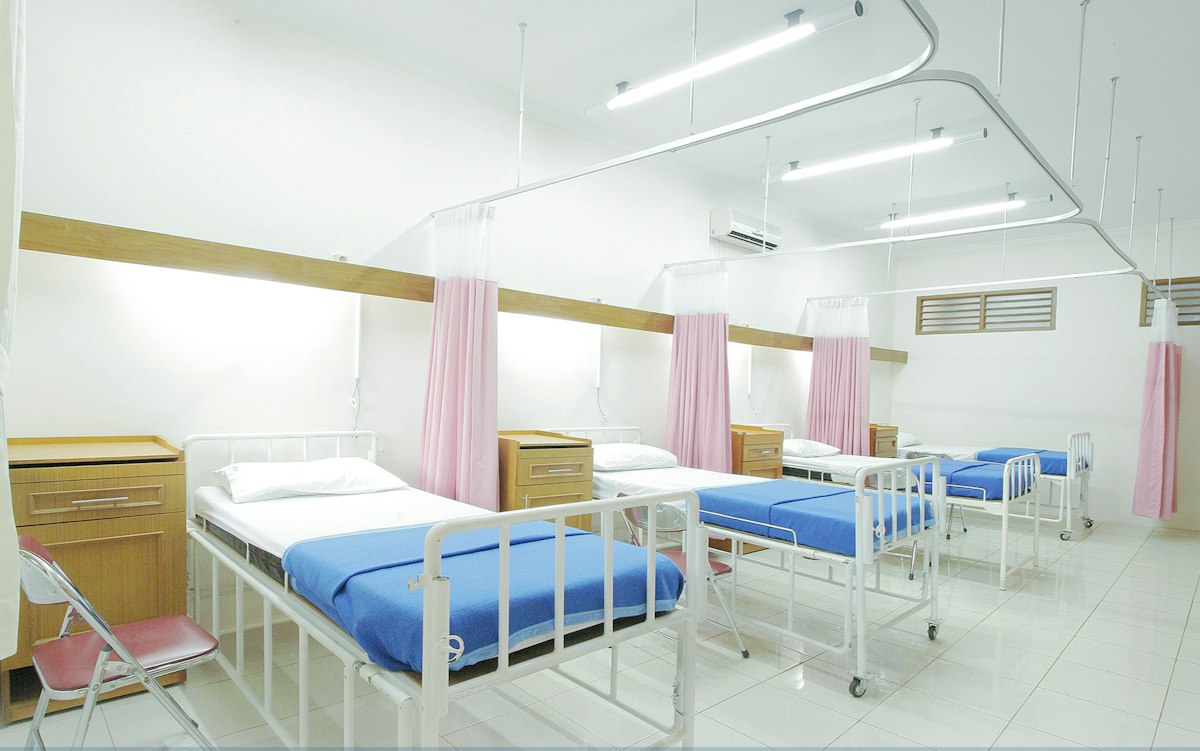
The HSE's National Service Plan 2026 outlines a total expenditure of €29 billion. A key feature is a €3.8 billion allocation for disability services, a 20% increase on the previous year, aimed at improving access to therapies and support for people with disabilities. To tackle the waiting list crisis, the plan promises to deliver 428 new community beds, 177 new acute hospital beds, and five new surgical hubs designed to increase the volume of elective procedures. The plan also includes funding for the long-awaited completion of the new National Children's Hospital in Dublin.
However, the IHCA has immediately criticised the plan as inadequate. The association points out that there are currently over one million people waiting for some form of hospital treatment in Ireland. It argues that the 177 new acute beds pledged in the plan are a drop in the ocean compared to its own estimate that at least 1,000 new beds are needed immediately just to cope with existing demand. Alongside the HSE plan, the Minister for Health has published a separate Waiting Time Action Plan 2026, which sets a target for 50% of patients to be waiting less than the official Sláintecare targets of 10 weeks for an outpatient appointment and 12 weeks for inpatient treatment. This document, available from gov.ie, has also been met with scepticism, with critics questioning whether it is ambitious enough.
Why It Matters
The 2026 Service Plan represents the Irish government's latest attempt to get to grips with a healthcare crisis that has become a running sore in Irish public life. The record budget demonstrates a clear financial commitment, but the core question is whether the plan is radical enough to deliver the transformational change that is needed. The gap between the HSE's planned bed expansion and the IHCA's assessment of the need is vast, suggesting a fundamental disagreement about the scale of the problem.
The success or failure of this plan will have significant political consequences for the coalition government. Healthcare consistently ranks as one of the top concerns for Irish voters, and a failure to make a visible dent in the waiting lists could be highly damaging at the next general election. The plan also highlights the immense challenge of health service reform. Simply providing more money is not always the answer; the system also needs to become more efficient and productive. The focus on surgical hubs is an attempt to do this, but it remains to be seen if they can deliver the required volume of activity to make a real difference to the waiting list numbers. Comparatively, the UK's NHS has been grappling with similar challenges, and the two systems are watching each other's reform efforts closely.
Local Impact
The situation in the Irish health service is watched with great interest in Northern Ireland. Many patients from border counties in the Republic travel to Northern Ireland for private treatment to escape the long waits in the HSE system. Furthermore, the two health systems on the island of Ireland cooperate in a number of areas, particularly in the provision of specialist services like paediatric cardiology. A failure to resolve the capacity crisis in the South puts additional pressure on services in the North. The stark contrast between the record budget being invested in the HSE and the funding struggles and political paralysis affecting the HSC in Northern Ireland is also a source of considerable political debate.
What's Next
The HSE will now begin the difficult task of implementing the 2026 Service Plan. Progress will be monitored throughout the year via the publication of monthly performance data, including the all-important waiting list figures. The recruitment of additional staff, particularly consultants and nurses, will be a key challenge in delivering the planned expansion of services. The five new surgical hubs are expected to become operational at various points throughout the year. The political and public focus will be squarely on the waiting list numbers to see if this record investment can finally begin to turn the tide.