NHS Hits Mental Health Target Three Years Early as 10-Year Plan Reshapes UK Healthcare
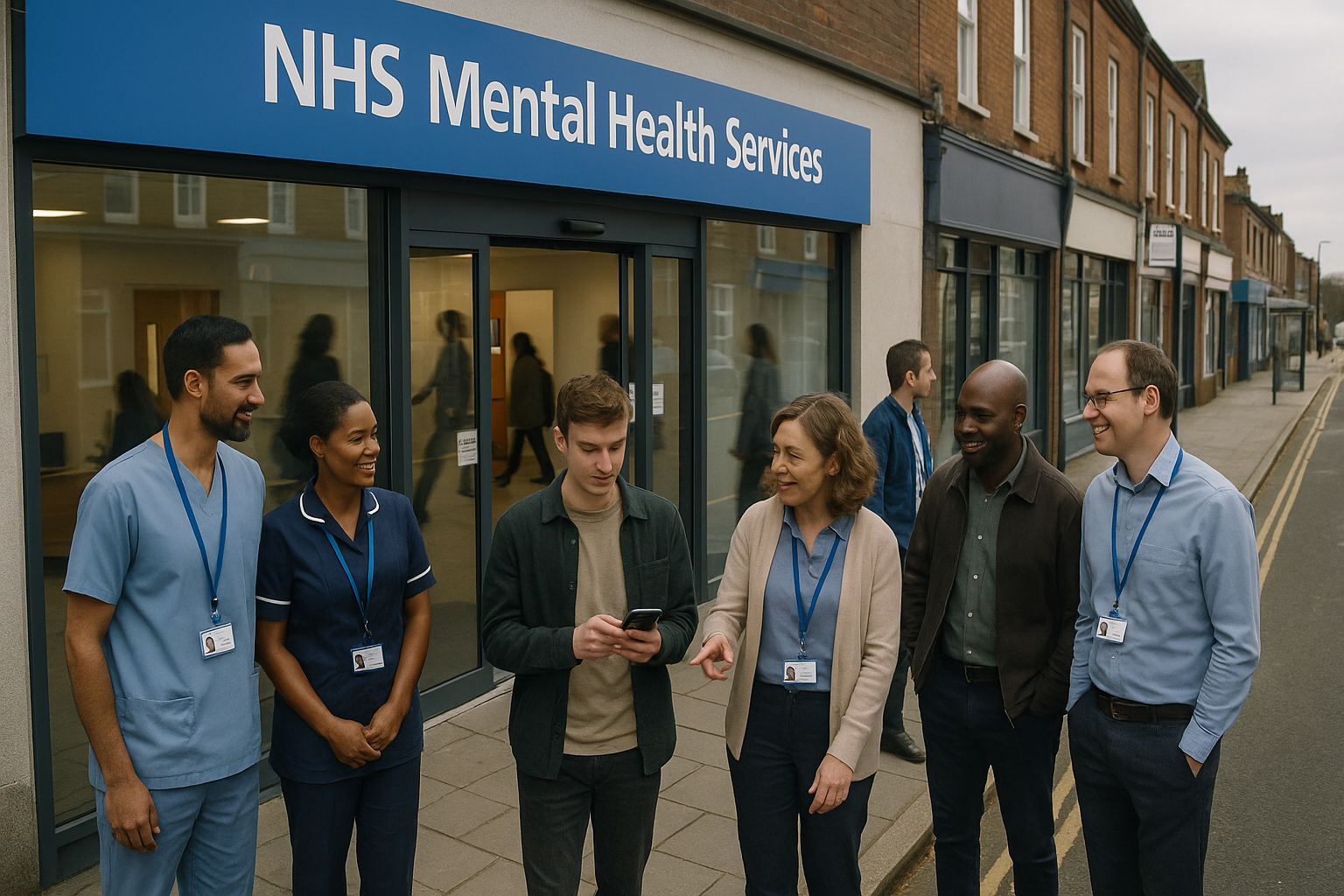
The government has announced a significant milestone in its healthcare strategy, confirming the recruitment of 8,500 additional mental health workers since June 2024. This achievement meets a key target of the ambitious NHS 10-Year Plan a full three years ahead of schedule, signalling a major boost for mental health provision across the country.
Background
The NHS 10-Year Plan, titled 'Fit for the Future', was published as a comprehensive roadmap to modernise the health service and ensure its sustainability for the coming decade. Historically, mental health services have been viewed as the ‘Cinderella service’ of the NHS, often overlooked and underfunded compared to physical health. The 10-Year Plan sought to rectify this imbalance by explicitly committing to expanding mental health provision and achieving parity of esteem. The plan is built on three foundational shifts: moving care from hospitals into the community, transitioning from analogue to digital systems, and focusing more on prevention rather than just treatment. The recruitment target for mental health staff was a cornerstone of this strategy, designed to expand access to talking therapies and community-based support.
Key Developments
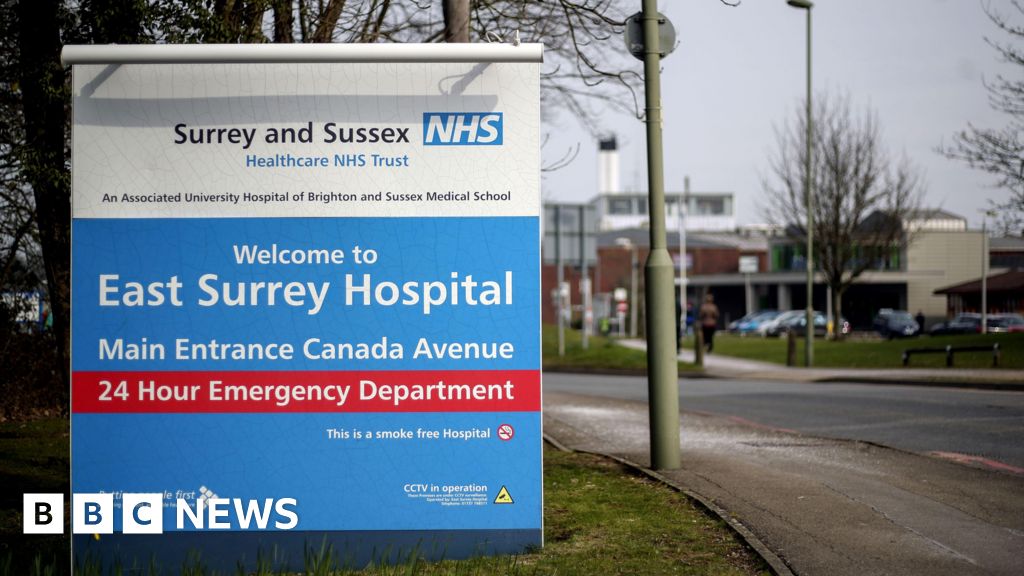
The successful recruitment drive is the headline achievement, but it is part of a much broader transformation. A central pillar of the new model is the planned rollout of Neighbourhood Health Centres in every community, designed to act as local hubs for a range of services, reducing pressure on major hospitals. Digital transformation is also accelerating. The NHS App now records 15 million logins per month, with a target for 75% of all elective appointments to be manageable through the app by the 2026/27 financial year. While progress is being made, significant challenges remain. The elective surgery waiting list, though down from its peak of 7.7 million, still stood at 7.25 million in April 2026. Furthermore, A&E departments remain under strain, with 38% of patients waiting over four hours to be seen. In a separate public health development, the chickenpox vaccine has now been made available for free on the NHS for all children under the age of six.
Why It Matters
Hitting the mental health recruitment target three years early is a genuinely significant accomplishment. It represents a tangible investment in a long-neglected area and will directly translate into improved access to care for thousands of people. This success demonstrates a clear commitment to the principle of parity of esteem between mental and physical health. However, it is crucial to view this achievement within the wider context of the NHS. The persistent challenges in urgent care and elective recovery show that the health service is still under immense pressure. The 10-Year Plan is not a single initiative but a complex, multi-faceted reform programme. The shift towards digital-first services via the NHS App is reshaping how patients interact with the health system, offering convenience but also raising questions about digital exclusion. The success in mental health staffing is a vital victory, but it is one battle in a much larger war to make the NHS ‘Fit for the Future’.
Local Impact
The introduction of 8,500 new mental health workers and the development of Neighbourhood Health Centres will have a direct, positive impact on communities across the UK. For individuals, it means faster access to therapies and support closer to home, reducing travel times and integrating care more effectively with their daily lives. For local health systems, it facilitates the move away from costly hospital-based treatment towards more sustainable and preventative community care. This localised approach allows services to be better tailored to the specific needs of the local population, improving outcomes and promoting overall community wellbeing.
What's Next
The immediate future will see the continued rollout of the Neighbourhood Health Centre programme and the drive to embed digital technologies across the service. The NHS will focus on its next major target: enabling patients to manage three-quarters of their elective care appointments through the NHS App by 2027. Efforts will continue to bring down the elective waiting list and improve A&E performance. For mental health services, the challenge now is to effectively integrate the new staff into care pathways and demonstrate a measurable improvement in patient outcomes, building on the success of the recruitment drive.
Attribution: NHS England, NHS Confederation