NHS England to Be Abolished: Starmer Government Brings Health Service Back Under Direct Ministerial Control
Prime Minister Sir Keir Starmer has announced the abolition of NHS England, the independent body that has managed the health service for over a decade, in a sweeping reform intended to slash bureaucracy and redirect hundreds of millions of pounds to frontline patient care.
The announcement, made during a speech in Kingston upon Hull, marks one of the most dramatic restructurings of the NHS since the controversial 2012 Health and Social Care Act created the quango. The move will bring the health service back under direct control of the Department of Health and Social Care, ending the operational independence that NHS England has held since its creation.
Key Details of the Reform
The combined workforce of NHS England and the Department of Health and Social Care — currently over 18,000 staff — is expected to be cut by approximately 50%, with around 10,000 jobs lost. The government claims this will save approximately £500 million annually, with those funds redirected to cut waiting times and improve patient care. Integrated Care Boards (ICBs) have been mandated to reduce their running costs by 50%, and provider trusts are required to cut corporate costs back to pre-pandemic levels.
Health Secretary Wes Streeting described the reform as the "final nail in the coffin" of the previous government's "disastrous 2012 reorganisation," citing Professor Ara Darzi's review which called the creation of NHS England a "calamity without international precedent." Streeting framed the move as "the biggest decentralisation of power in the history of the NHS," arguing it would liberate local NHS leaders from micromanagement by the centre.
Background
NHS England was established under the Health and Social Care Act 2012, introduced by the Conservative-Liberal Democrat coalition government. Critics argued the reform created fragmented accountability and excessive bureaucracy. The Starmer government has consistently pointed to long NHS waiting lists and workforce pressures as evidence that the current structure is failing patients.
Mixed Reactions
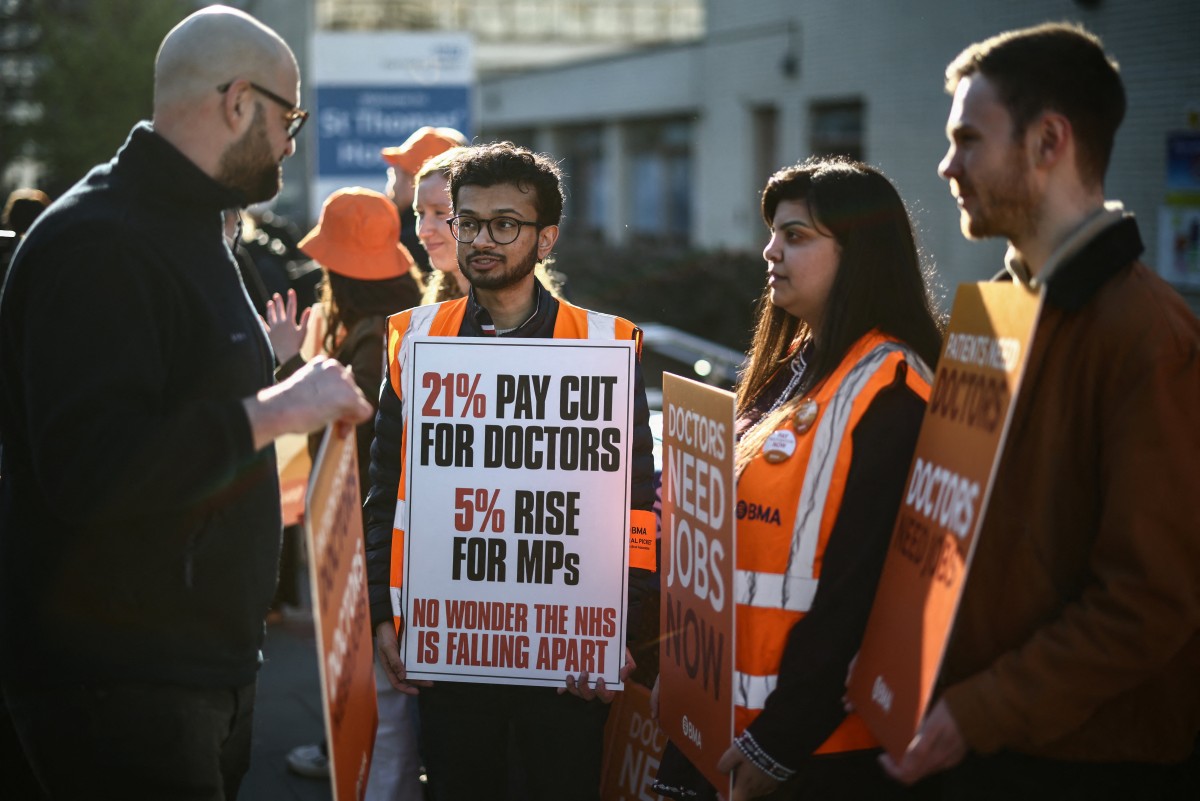
The announcement has drawn a mixed response. Some former Conservative health ministers expressed support, welcoming the radical nature of the reform. However, health think tanks and unions have voiced significant concerns. The Health Foundation and The King's Fund warned that another major reorganisation risks diverting senior leaders' time and energy away from the critical task of improving patient care. The British Medical Association noted that with NHS England's role as a buffer removed, the Health Secretary will bear direct responsibility for healthcare delivery. Union leaders criticised the "shambolic" handling of the announcement, with staff at NHS England reportedly given no prior notice.
Conservative leader Kemi Badenoch offered cautious support, acknowledging a government's right to restructure services, but warned that "Labour ministers now have nowhere to hide or anyone else to blame on NHS performance."
Why It Matters
The NHS is the UK's most cherished public institution, and any major restructuring carries significant political and operational risk. With waiting lists still stubbornly high and the health service under pressure from the economic fallout of the Iran war — including concerns about medicine supply chains — the timing of this reform will be closely scrutinised.
What's Next
Sir Jim Mackey, the transition chief executive of NHS England, has been tasked with convening a transformation team to guide the process. The full transition is expected to be completed by April 2026, though many details — including the specific legislation required and the exact roles to be absorbed into the DHSC — remain to be clarified.