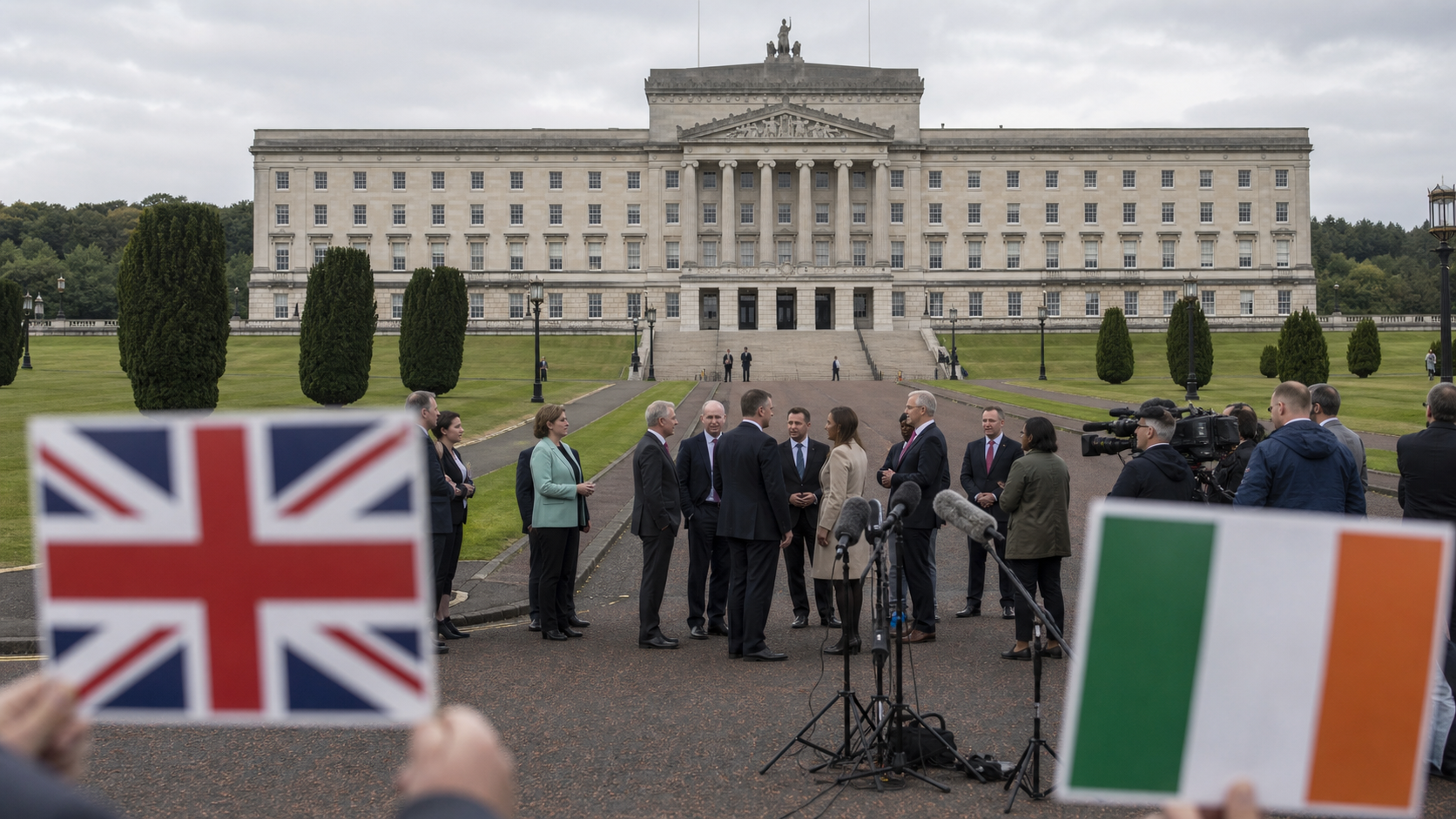
New Rules Needed for Stormont to Function: Both Governments Signal Support for Assembly Reform
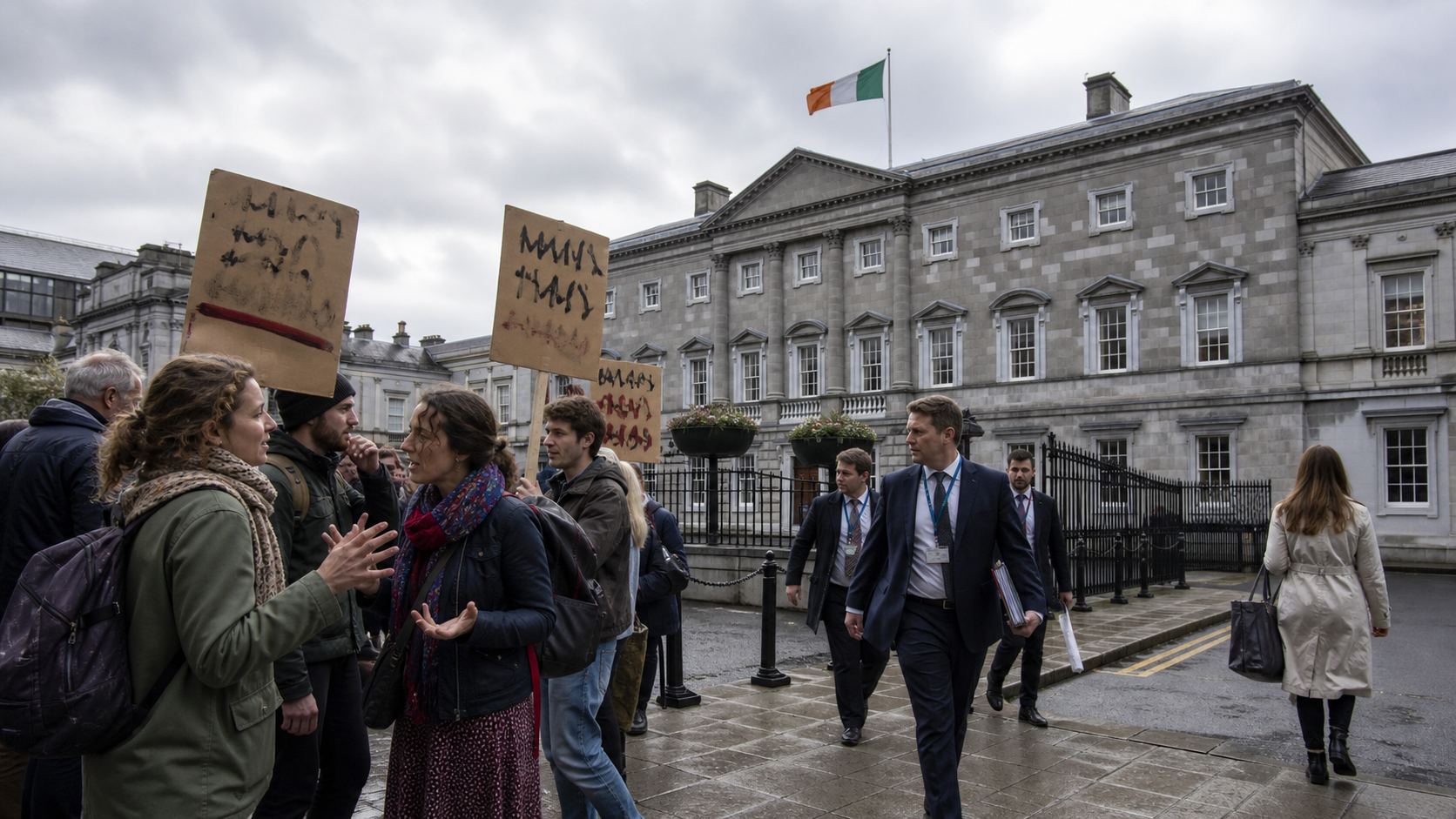
Both the Irish and UK governments have signalled support for fundamental reform of the Stormont Assembly's operating rules, with Taoiseach Micheál Martin and Northern Ireland Secretary Chris Bryant indicating openness to changes that would prevent either of the two largest parties from collapsing the Executive unilaterally — a reform that smaller parties and civil society groups have been demanding for years.
Background
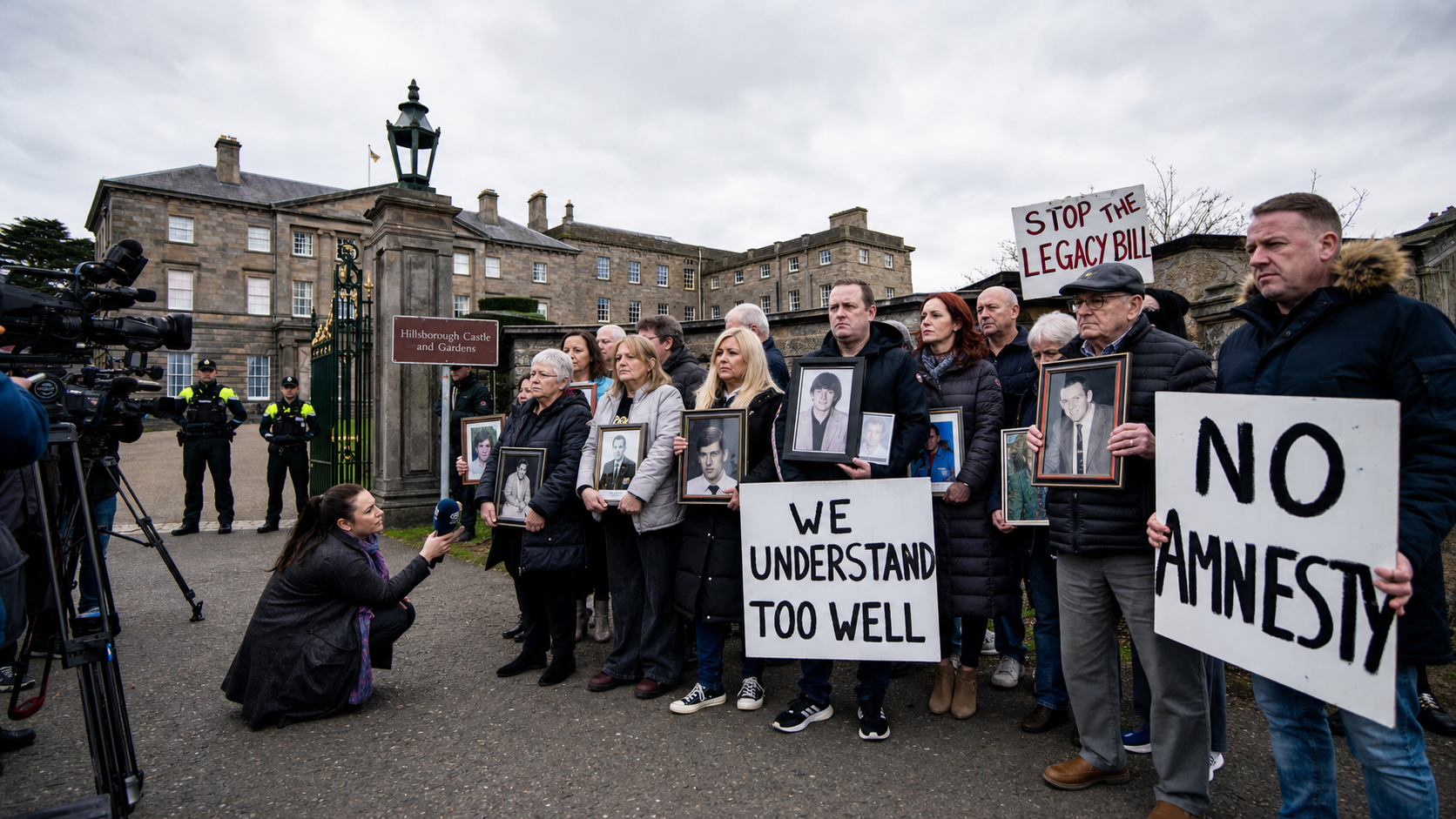
The Northern Ireland Assembly has collapsed four times since its establishment in 1998. Each collapse has had different immediate causes — disputes over policing, the RHI scandal, Brexit, and the Northern Ireland Protocol — but each has shared a common structural feature: the ability of a single large party to bring down the institutions by withdrawing from the Executive. This mechanism, which was designed as a safeguard for community interests, has in practice become a political weapon that has been used to extract concessions, to satisfy internal party bases, and to avoid difficult governance decisions.
The consequences of these collapses have been severe. During the most recent period of Executive absence, between 2022 and 2024, Northern Ireland was governed by civil servants operating without democratic mandate. Decisions on health service reform, infrastructure investment, and education policy were either delayed or made without the kind of political accountability that a functioning Executive would have provided. The waiting lists that now plague the Northern Ireland health service are, in part, a product of this dysfunction.
The reform debate has been ongoing for years, but it has gained new urgency in the current period of political instability. The smaller parties — Alliance, the SDLP, and the UUP — have consistently argued that the current consociational model, which effectively gives the two largest parties a veto over the functioning of the government, is incompatible with the kind of stable, accountable governance that Northern Ireland needs. They have called for changes that would allow the Executive to continue functioning even if one of the large parties withdraws, and that would reduce the incentive to use the threat of collapse as a political lever.
Key Developments
Taoiseach Micheál Martin has pledged to discuss Stormont reform with Northern Ireland Secretary Chris Bryant, signalling that the Irish government is prepared to engage with the UK on changes to the institutional framework established by the Good Friday Agreement. This is a significant development — any changes to the Agreement's structures require the consent of both governments, and the Irish government's willingness to engage with reform proposals is a necessary precondition for progress.
Bryant has indicated openness to reform discussions, though the UK government has been careful not to be seen as imposing changes on the institutions without the consent of the parties. The Alliance Party, the SDLP, and the UUP have all submitted proposals for reform to both governments, and these are expected to form the basis of the discussions in the autumn.
Research published earlier this year found that only 19 per cent of the Northern Ireland public are confident the institutions will not collapse again, while 83 per cent still support the principle of power-sharing and 57 per cent believe the system requires fundamental changes. These figures provide a clear mandate for reform and suggest that the public appetite for change is significantly ahead of the political will to deliver it.
Why It Matters
The reform of Stormont's operating rules is not a technical constitutional matter — it is a question about whether Northern Ireland can have a government that functions reliably enough to address the very real problems facing its citizens. The current model, in which the threat of collapse is always present and the incentive to use that threat is always tempting, is not compatible with the kind of long-term governance that the region needs. Health service reform, infrastructure investment, and economic development all require sustained political commitment over years and decades — a commitment that is impossible to deliver when the institutions can be brought down at any moment by a single party's decision.
The reform debate also has implications for the broader peace process. The Good Friday Agreement's institutions were designed to be durable, but their durability has been tested repeatedly by the willingness of the largest parties to use the threat of collapse as a political tool. If the institutions are to survive and thrive in the long term, they need to be reformed in ways that make them more resilient to this kind of political pressure.
Local Impact
For communities across Northern Ireland, the prospect of Stormont reform is a source of cautious optimism. In Belfast, where the health service is under enormous pressure and where infrastructure investment decisions have been delayed by political dysfunction, the possibility of a more stable Executive is welcomed. In Derry, where the A5 road upgrade has been promised for decades, the prospect of a government that can make and implement long-term decisions is particularly significant. In rural areas of Fermanagh, Tyrone, and Armagh, where public services are already stretched, the cost of political dysfunction is felt most acutely.
What's Next
Taoiseach Martin is expected to raise the issue of Stormont reform in bilateral discussions with the UK government in September. The Northern Ireland Assembly's Committee on the Executive Office is expected to begin a formal inquiry into institutional reform in the autumn. The May 2027 Assembly election now looms as the next major political milestone, and the question of whether reform can be agreed and implemented before that election — or whether it will become an election issue — will dominate Northern Ireland politics for the months ahead. Both governments have indicated they want to see progress before the election, but the timeline is tight.