New PSNI Belfast Commander Amanda Ford: 'Keep Going Out — This City Is Open for Business'
Chief Superintendent Amanda Ford, who took up her post as the PSNI's Belfast area commander just weeks before the city was convulsed by anti-migrant disorder, has issued a robust public appeal for residents and visitors to continue using Belfast's venues, attending its events, and living their lives without fear. Meeting with city stakeholders this week, Ford pledged a visible and sustained police presence at upcoming events and said the PSNI was determined to ensure that Belfast's reputation as a welcoming and vibrant city was restored.
Background
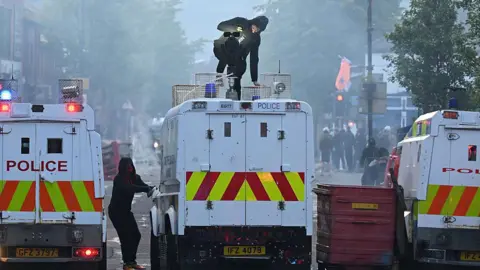
Amanda Ford's appointment as Belfast area commander came at one of the most challenging moments in the city's recent history. The disorder that erupted following a stabbing in North Belfast on June 8 placed the PSNI under intense operational pressure, with officers deployed across multiple flashpoints simultaneously while also managing the suspension of Translink services and the protection of properties and individuals under threat.
The PSNI's response to the disorder drew both praise and criticism. Officers were commended for their restraint in the face of significant provocation, but questions were raised about the speed of the initial response and the adequacy of resources available to the service. The rejection by a Stormont department of a £200 million PSNI recovery plan — reported in the days before the disorder — added a layer of political complexity to the operational challenges facing the service.
Ford's background is in community policing, and her appointment was seen as a signal that the PSNI wanted to prioritise relationship-building with Belfast's diverse communities. Her first weeks in post have been anything but routine, but those who have worked with her describe a commander who is calm under pressure and deeply committed to the principle that policing in Belfast must be done with communities rather than to them.
Key Developments
In meetings with business leaders, community representatives, and city officials this week, Ford delivered a consistent message: Belfast is safe, the PSNI is in control, and the city must not allow the actions of a minority to define its character or curtail its life. "Keep going out," she told one gathering, according to the News Letter. "This city is open for business. The people who caused disorder last week do not represent Belfast, and we will not allow them to hold this city hostage."
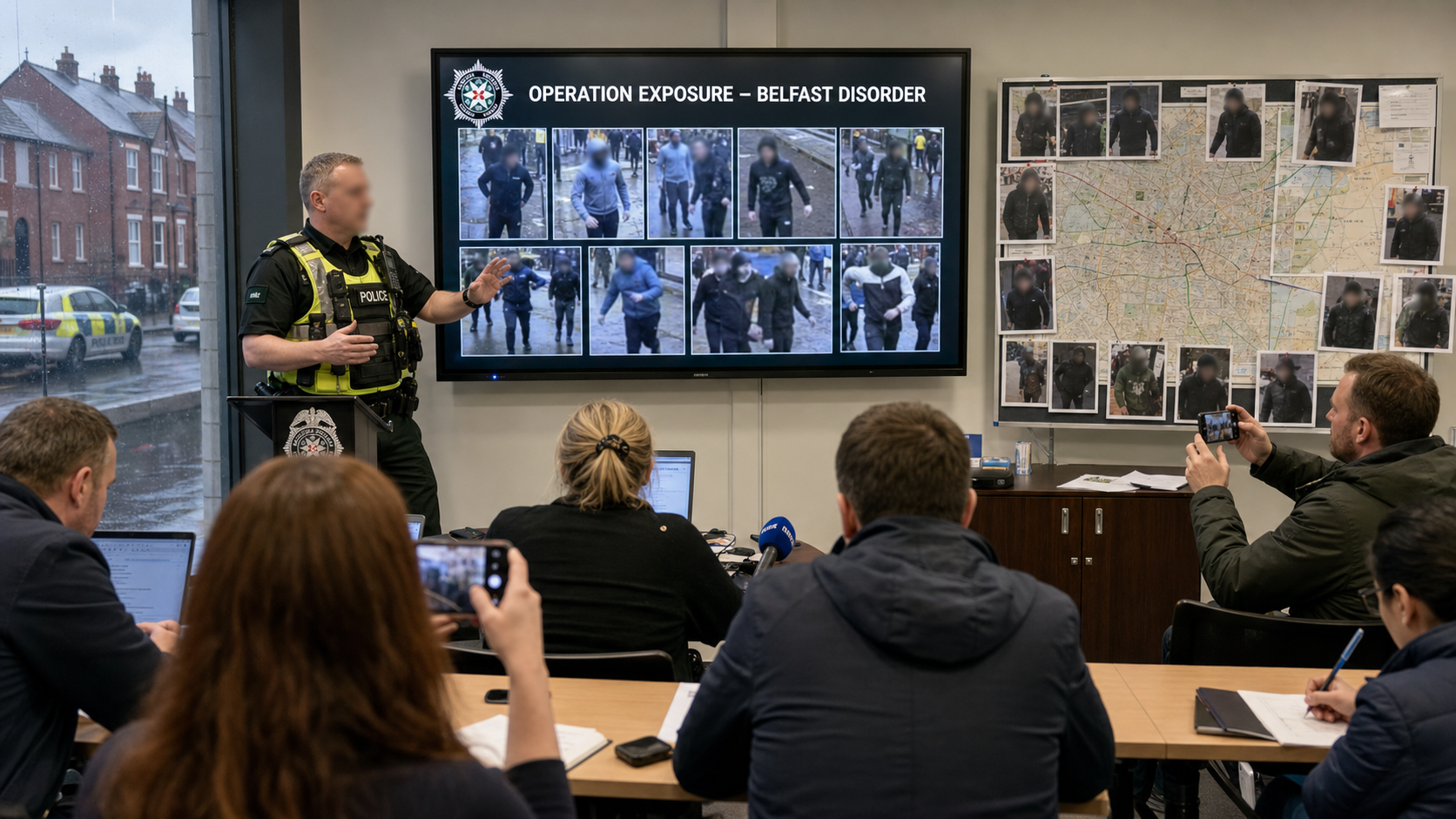
Ford confirmed that the PSNI would maintain an increased presence at upcoming events in the city, with particular attention to the Belsonic music festival, which is scheduled to take place at Boucher Road Playing Fields in the coming weeks and typically attracts tens of thousands of attendees. She also confirmed that the investigation into the disorder was continuing, with further arrests anticipated beyond the 31 already made and 23 charges already brought.
The commander met separately with representatives of Belfast's ethnic minority communities, listening to accounts of the fear and disruption caused by the disorder and making specific commitments about the PSNI's engagement with those communities going forward. She acknowledged that trust between the police and some minority communities had been damaged and said rebuilding it would be a priority.
Why It Matters
Ford's public messaging matters because the economic and reputational damage caused by the disorder extends well beyond the immediate physical destruction. Belfast's tourism sector, which has grown significantly in recent years and now contributes hundreds of millions of pounds to the local economy annually, is acutely sensitive to perceptions of safety. Hotels, restaurants, and visitor attractions reported cancellations in the days following the disorder, and the city's convention bureau was fielding anxious enquiries from event organisers about upcoming bookings.
The PSNI's ability to project confidence and control is therefore not merely a policing matter but an economic one. Ford's direct, unambiguous messaging — "keep going out" — is precisely the kind of clear communication that the city needed from its police leadership. It contrasts with the more cautious, hedged language that sometimes characterises official responses to disorder and sends a signal that the PSNI is not in a defensive crouch but is actively working to restore normality.
The investigation itself is also significant. The 31 arrests and 23 charges already brought represent a substantial law enforcement response, and the PSNI's warning that those posting hate content on social media are being actively investigated has had a measurable effect on the volume of such content online.
Local Impact
In practical terms, the increased PSNI presence has been felt across Belfast city centre, with additional officers deployed on foot patrols in the Cathedral Quarter, the city centre retail area, and around the main transport hubs including Grand Central Station and the Europa Bus Centre. Translink, which suspended services on multiple evenings during the disorder, confirmed that all routes are now operating normally and that it is working closely with the PSNI on contingency planning for upcoming events.
In the Holyland area of South Belfast, where some of the disorder was concentrated, residents have reported a noticeable increase in police patrols. Community groups in the area have welcomed the increased presence but have also called for longer-term investment in community relations work rather than a purely reactive policing response.
What's Next
The PSNI investigation into the disorder is expected to continue for several weeks, with further arrests and charges anticipated. Ford has indicated she will hold regular public briefings on the investigation's progress. The Belsonic festival, which begins later this month, will be the first major test of the PSNI's enhanced security arrangements. A review of the policing response to the disorder is expected to be conducted internally and may also be subject to scrutiny by the Policing Board. Ford is scheduled to appear before the Board at its next meeting to answer questions about the events of the past week and the PSNI's plans going forward.