New MLA Julie Middleton Hits Back at Misogynistic Online Attacks on First Day in Assembly
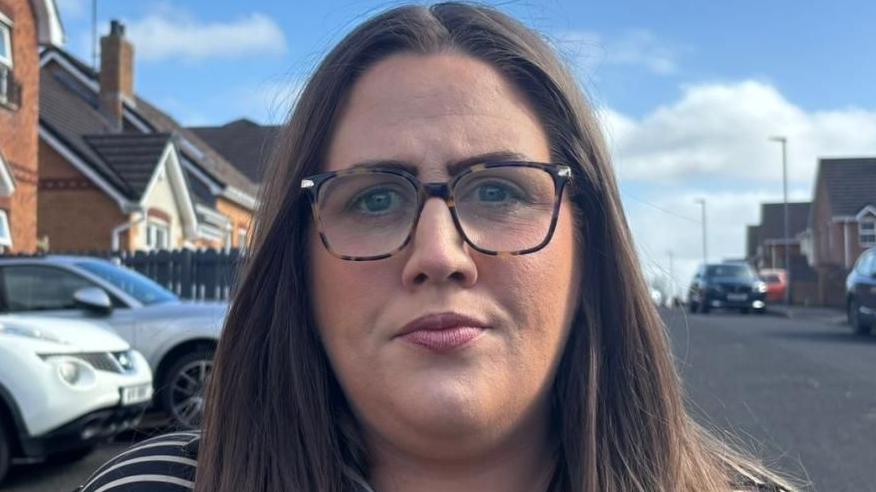
Julie Middleton, who was co-opted as the new DUP MLA for Foyle on Wednesday, has hit back at a barrage of misogynistic and abusive online comments directed at her on her very first day in the role — a troubling start that has drawn condemnation from across the political spectrum in Northern Ireland and shone a harsh light on the toxic environment facing women in public life.
Background
Julie Middleton was officially co-opted to the Northern Ireland Assembly as the DUP representative for the Foyle constituency, replacing her husband Gary Middleton, who announced his resignation from the Assembly the previous week to address what he described as "significant" mental health challenges. Gary Middleton had served as the DUP MLA for Foyle since 2016, representing a constituency that is predominantly nationalist and where the DUP faces significant political challenges. His decision to step down on mental health grounds was widely praised for helping to reduce the stigma around mental health issues in public life.
Julie Middleton's co-option follows the standard Assembly procedure for filling vacancies, whereby the party holding the seat nominates a replacement without a by-election. Her entry into frontline politics marks a notable change for the Foyle constituency and for the DUP. In her maiden speech to the Assembly, she acknowledged the abuse she had received, describing the role as a "privilege" even as she confronted the hostility directed at her from the outset.
Key Developments
On her first day in the role, Middleton stated her commitment to representing all her constituents and giving the job 100%. However, her appointment was almost immediately met with a wave of misogynistic and abusive comments online. Rather than staying silent, Middleton chose to address the attacks directly and publicly, hitting back at those responsible — an act widely praised as courageous by politicians across the Assembly.
The incident has prompted calls from politicians across the Assembly for stronger action to tackle online abuse, with many expressing solidarity with Middleton and condemning the attacks. Her experience is far from isolated: it reflects a broader and deeply concerning pattern of online harassment faced by women in public life, particularly in Northern Ireland, where the poison of misogyny often mixes with the venom of sectarianism.
Why It Matters
The scale of the problem facing women in politics is stark. A 2025 report by Belfast-based think tank Pivotal Policy found that online violence against women in politics is a "critical issue for Northern Ireland," where it is "weaponised to silence, intimidate, and push women out of political life." The report highlighted the alarming use of deepfake pornography against female candidates during the 2022 Assembly election — and noted that, as of early 2025, no convictions had been made in those cases.
Research consistently shows that 75% of young women in the UK who are interested in politics are deterred by online abuse. The Fawcett Society's "Equal Power" project found that 69% of respondents cited abuse and harassment as a key reason for not pursuing a political career. In Northern Ireland, where women have played a vital and stabilising role in the peace process, the stakes are even higher. As the Pivotal Policy report warns: "Reducing their participation through online violence is not just a gender issue; it is a threat to peace and democracy."
Local Impact
For Northern Ireland, the treatment of Julie Middleton on her first day in office is a reminder of the hostile environment that many women face when entering public life in the region. Her decision to speak out rather than absorb the abuse in silence has been widely praised as an act of courage that may help to shine a light on the problem. Calls are mounting for modernised laws — deepfake pornography is not yet illegal in Northern Ireland — greater accountability for social media platforms, and better support systems for victims. The Assembly is expected to debate online safety measures in the coming months, with Middleton's experience likely to feature prominently in those discussions.
What's Next
Middleton is expected to take her seat in the Assembly and begin her work representing the Foyle constituency. The incident is likely to feature in broader Assembly discussions about online safety and the treatment of elected representatives, particularly women, in the digital age. For more on the scale of online violence against women in politics in Northern Ireland, see the Pivotal Policy report. For the parliamentary context, see the UK Parliament Hansard debate on elected women representatives and online abuse.