New Heart Procedure at Mater Hospital Described as 'Major Advancement' as Ireland Expands Cardiac Care Capacity
A new minimally invasive heart procedure introduced at the Mater Misericordiae University Hospital in Dublin has been described as a "major advancement" in Irish cardiac care, offering patients who would previously have required open-heart surgery a less invasive alternative with significantly shorter recovery times and reduced risk of complications, as the hospital expands its capacity to treat the growing number of patients with complex cardiac conditions.
Background
Cardiovascular disease remains the leading cause of death in Ireland, accounting for approximately 10,000 deaths annually and placing an enormous burden on the health system. The Mater Hospital, which serves as one of Ireland's principal cardiac centres, treats thousands of patients with heart conditions each year, from straightforward arrhythmias to complex structural heart disease requiring surgical intervention.
The development of minimally invasive cardiac procedures over the past two decades has transformed the treatment landscape for many heart conditions. Techniques that once required open-chest surgery — with its associated risks of infection, prolonged recovery, and significant physiological stress — can now be performed through small incisions or catheter-based approaches, dramatically improving outcomes for patients who might previously have been considered too frail for conventional surgery.
Ireland has been a relatively early adopter of several minimally invasive cardiac techniques, with the Mater and other centres developing expertise that has attracted patients from across the country and, in some cases, from abroad. The introduction of the new procedure announced this week represents a further step in that trajectory — an expansion of the hospital's technical capabilities that will benefit patients who currently have limited treatment options.
Key Developments
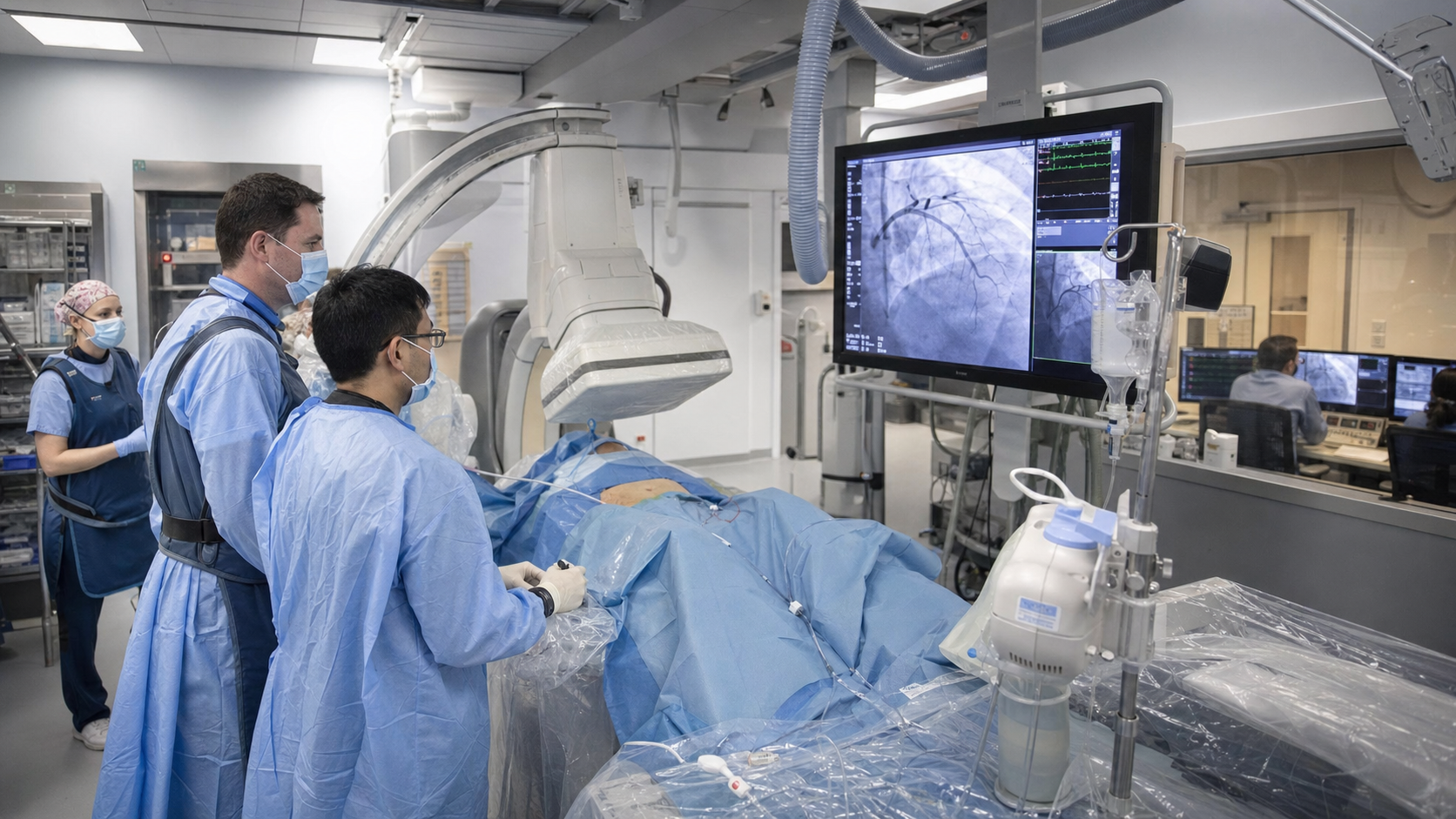
RTÉ News reported on Tuesday that the Mater Hospital has introduced a new heart procedure that clinicians have described as a "major advancement" in the treatment of specific cardiac conditions. The procedure, which is performed using catheter-based techniques rather than open surgery, allows surgeons to address structural heart problems with significantly less trauma to the patient than conventional approaches.
The clinical team at the Mater indicated that the procedure is particularly beneficial for older patients and those with comorbidities that would make open-heart surgery high-risk. For this group — which represents a significant proportion of those with complex cardiac conditions — the availability of a less invasive alternative opens up treatment options that were previously unavailable.
Recovery times for patients undergoing the new procedure are substantially shorter than for open-heart surgery, with many patients able to return home within days rather than weeks. That reduction in hospital stay has implications not just for patient wellbeing but for the hospital's capacity to treat more patients — a significant consideration given the pressure on cardiac services across the Irish health system.
Why It Matters
The introduction of new cardiac procedures at the Mater is significant in the context of Ireland's broader cardiac care capacity challenge. Waiting lists for cardiac procedures have been a persistent problem, with some patients waiting months for interventions that are clinically urgent. The expansion of minimally invasive options — which typically have shorter procedure times and faster recovery — has the potential to increase throughput and reduce waiting times.
The procedure also reflects the Mater's role as a centre of clinical innovation within the Irish health system. The hospital's cardiac team has a track record of introducing new techniques and of training other clinicians in their use, ensuring that advances in cardiac care are disseminated across the system rather than remaining confined to a single centre.
For patients with complex cardiac conditions — particularly older patients who might previously have been told that surgery was too risky — the availability of minimally invasive alternatives represents a genuine improvement in their prospects. The psychological impact of being offered a treatment option, rather than being told that nothing can be done, should not be underestimated.
Local Impact
The Mater Hospital serves patients from across Dublin and from a wide catchment area that extends into the midlands and the north-east. For patients in north Dublin — Drumcondra, Glasnevin, Phibsborough, Cabra — the hospital is the primary cardiac centre, and the introduction of new procedures directly benefits the communities it serves.
The hospital's cardiac rehabilitation programme, which supports patients in recovering from cardiac events and procedures, will also benefit from the introduction of the new technique. Patients who undergo minimally invasive procedures typically require less intensive rehabilitation than those who have had open surgery, freeing up rehabilitation resources for other patients.
What's Next
The Mater Hospital's cardiac team is expected to publish clinical data on the new procedure's outcomes in the coming months, providing evidence of its effectiveness and safety in the Irish patient population. The hospital has indicated that it will offer training in the technique to cardiac teams at other Irish centres, with a view to expanding access beyond Dublin. The HSE's National Clinical Programme for Cardiology is expected to review the procedure's inclusion in national treatment guidelines before the end of 2026.