New Asthma Drug Exdensur Approved for Irish Patients as European Commission Clears Depemokimab for Severe Cases
The European Commission has approved Exdensur (depemokimab) for the treatment of severe asthma with type 2 inflammation and chronic rhinosinusitis with nasal polyps, a development with significant implications for the estimated 450,000 people living with asthma in Ireland — particularly those with severe, difficult-to-control disease who have not responded adequately to existing treatments.
Background
Asthma is one of the most common chronic conditions in Ireland, affecting approximately 450,000 people — roughly 9% of the population. While the majority of people with asthma can manage their condition effectively with standard inhaled therapies, a significant minority — estimated at between 5% and 10% of all asthma patients — have severe disease that does not respond adequately to conventional treatment. For these patients, the condition can be debilitating, requiring frequent hospital admissions, high-dose oral corticosteroids with their associated side effects, and significant limitations on daily activities.
The development of biologic therapies for severe asthma has been one of the most significant advances in respiratory medicine in recent decades. These drugs — which target specific components of the immune response that drive asthma inflammation — have transformed the management of severe asthma for many patients, reducing exacerbations, improving lung function, and allowing patients to reduce or eliminate their dependence on oral corticosteroids. However, existing biologic therapies require frequent administration — typically monthly injections — which can be burdensome for patients and costly for health systems.
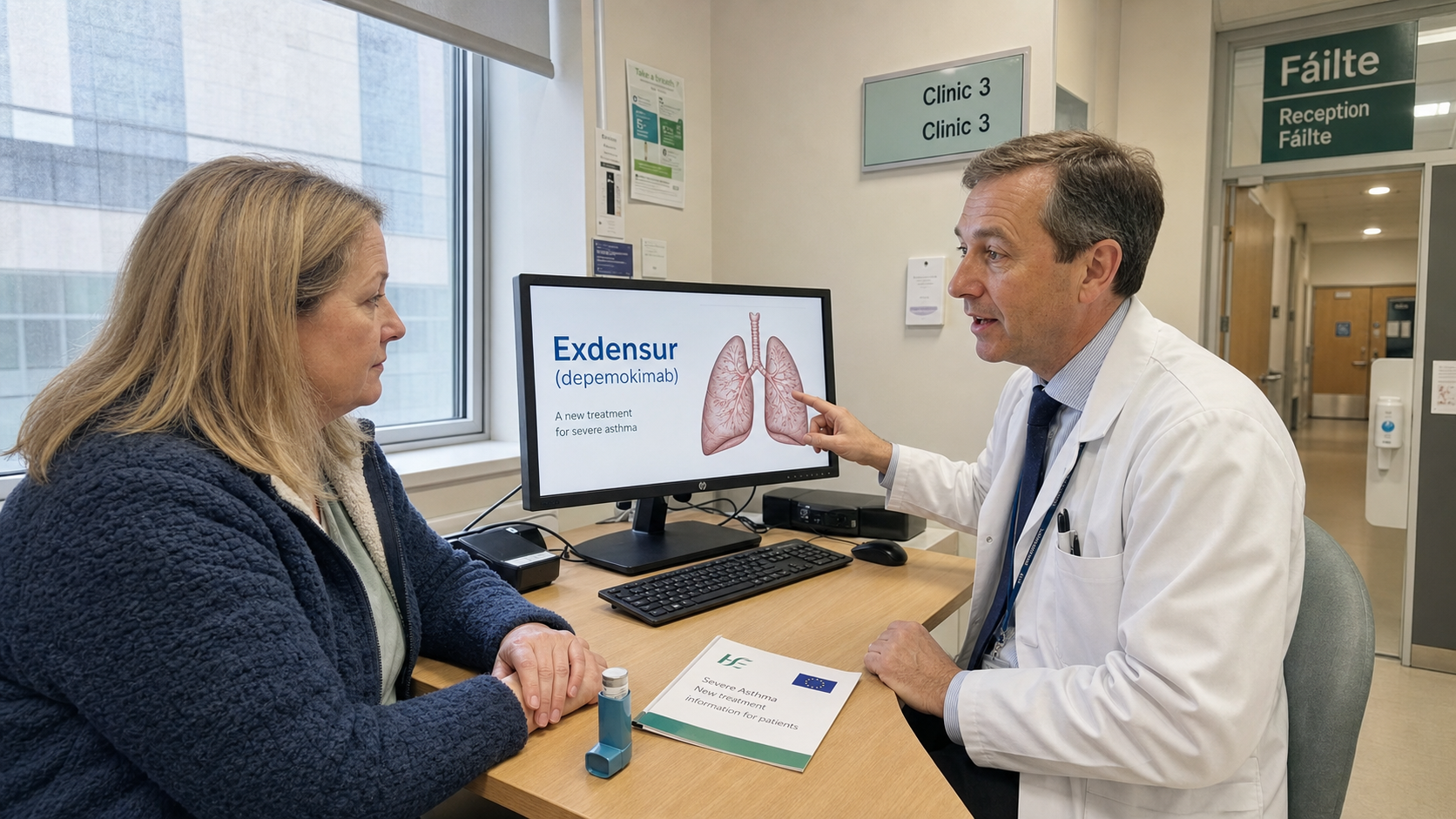
Depemokimab, developed by GSK under the brand name Exdensur, represents a significant advance in this field. The drug targets interleukin-5 (IL-5), a key driver of the type 2 inflammation that underlies severe eosinophilic asthma, but with a much longer duration of action than existing IL-5 inhibitors. This allows it to be administered just twice a year — a significant reduction in treatment burden compared to monthly injections — while maintaining comparable or superior efficacy.
Key Developments
The European Commission's approval of Exdensur covers two indications: severe asthma with type 2 inflammation in adults whose disease is not adequately controlled with high-dose inhaled corticosteroids plus another maintenance therapy, and chronic rhinosinusitis with nasal polyps in adults whose disease is not adequately controlled with intranasal corticosteroids. The approval is based on data from the SWIFT-1 and SWIFT-2 clinical trials, which demonstrated significant reductions in asthma exacerbations and improvements in lung function compared to placebo.
For Irish patients, the European Commission approval is the first step in a process that will ultimately determine whether the drug is reimbursed by the HSE. The National Centre for Pharmacoeconomics (NCPE), which advises the HSE on the cost-effectiveness of new medicines, will now conduct a health technology assessment of Exdensur. This process typically takes several months, and the outcome will determine whether the drug is added to the HSE's reimbursement list and, if so, under what conditions.
Irish respiratory specialists have welcomed the approval, noting that the twice-yearly dosing schedule represents a significant practical advantage for patients. "For someone with severe asthma who is currently receiving monthly injections, the prospect of reducing that to twice a year is genuinely transformative," said one consultant respiratory physician. "It reduces the burden on patients, on their families, and on the health system, while maintaining the clinical benefits that biologic therapy provides."
Why It Matters
The approval of Exdensur matters for the estimated 22,500 to 45,000 people in Ireland with severe asthma — those whose disease is not adequately controlled with standard therapies and who are most likely to benefit from biologic treatment. For these patients, the availability of a twice-yearly treatment option could significantly improve their quality of life and their ability to manage their condition. The reduction in treatment burden — from monthly to twice-yearly injections — is not a trivial consideration: for patients who are already managing a chronic condition that affects their daily activities, reducing the frequency of medical appointments and injections can make a meaningful difference to their wellbeing.
The approval also matters in the context of Ireland's broader approach to access to innovative medicines. Ireland has historically been slower than some other European countries to reimburse new biologic therapies, and there is ongoing pressure on the HSE to improve the speed and transparency of its reimbursement decisions. The NCPE's assessment of Exdensur will be closely watched by patient groups and the pharmaceutical industry as an indicator of Ireland's approach to access to innovative respiratory medicines.
Local Impact
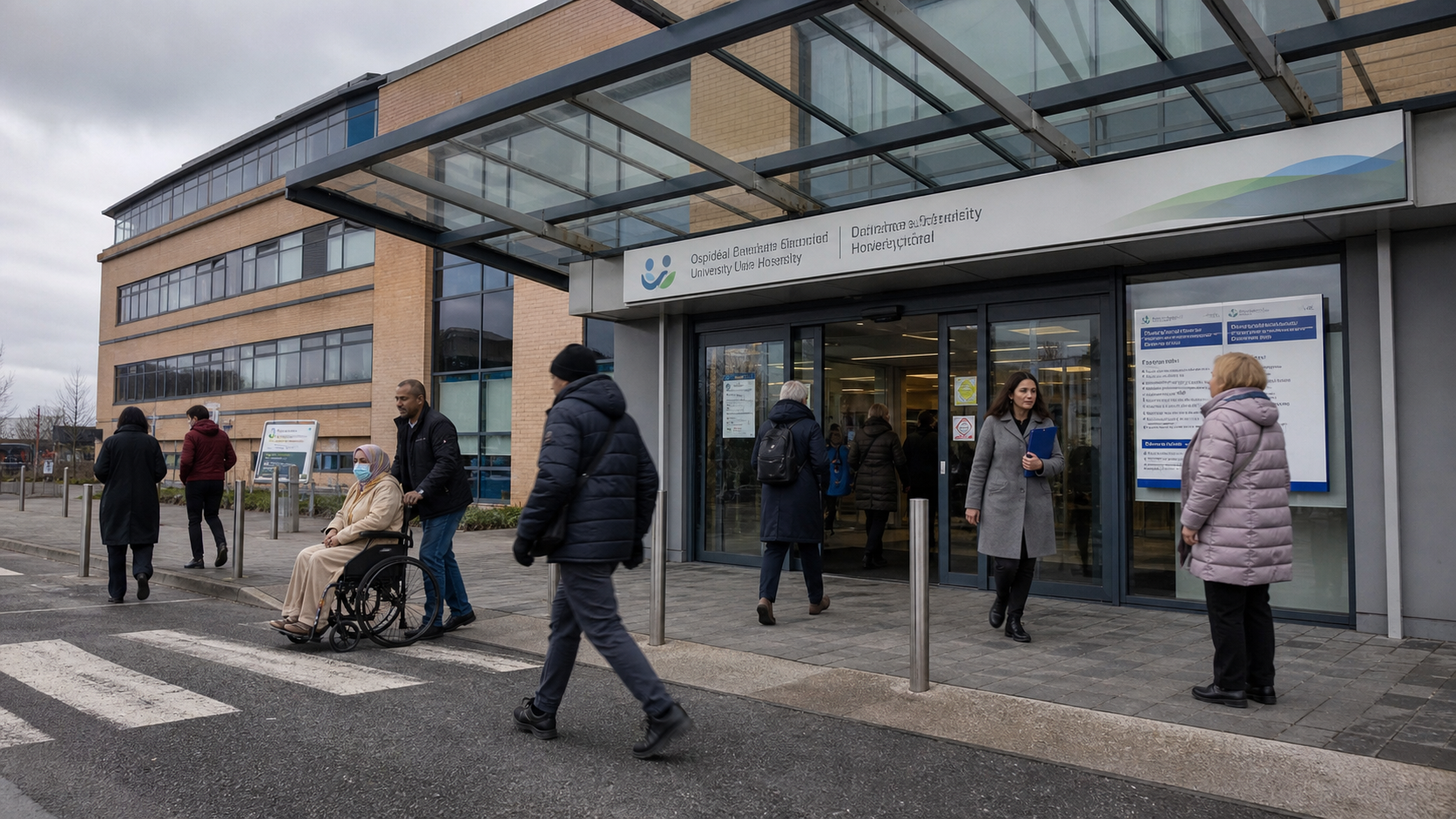
The impact of the Exdensur approval will be felt most acutely in the specialist respiratory clinics that manage patients with severe asthma — including the Mater Misericordiae University Hospital, St Vincent's University Hospital, and Cork University Hospital in the Republic, and the Royal Victoria Hospital in Belfast. These centres have been at the forefront of biologic therapy for severe asthma in Ireland, and their clinical teams will be closely involved in the HSE's reimbursement assessment process. Patient organisations including Asthma Society of Ireland have welcomed the approval and are calling on the HSE to prioritise the reimbursement assessment to ensure that Irish patients can access the drug as quickly as possible. The society estimates that several thousand Irish patients could potentially benefit from Exdensur, subject to the outcome of the reimbursement process.
What's Next
The NCPE will now begin its health technology assessment of Exdensur, a process that typically takes six to nine months. The assessment will consider the clinical evidence for the drug's efficacy and safety, as well as its cost-effectiveness compared to existing treatments. If the NCPE recommends reimbursement, the HSE will negotiate a price with GSK before adding the drug to the reimbursement list. Patient groups are calling for the process to be completed as quickly as possible, noting that patients with severe asthma are currently experiencing significant disease burden that could be alleviated by access to this new treatment. The HSE's Medicines Management Programme will provide updates on the reimbursement process through its website.