Nearly 6,000 Irish Patients Seek HSE Help Finding a GP as Doctor Shortage Deepens Across the Country
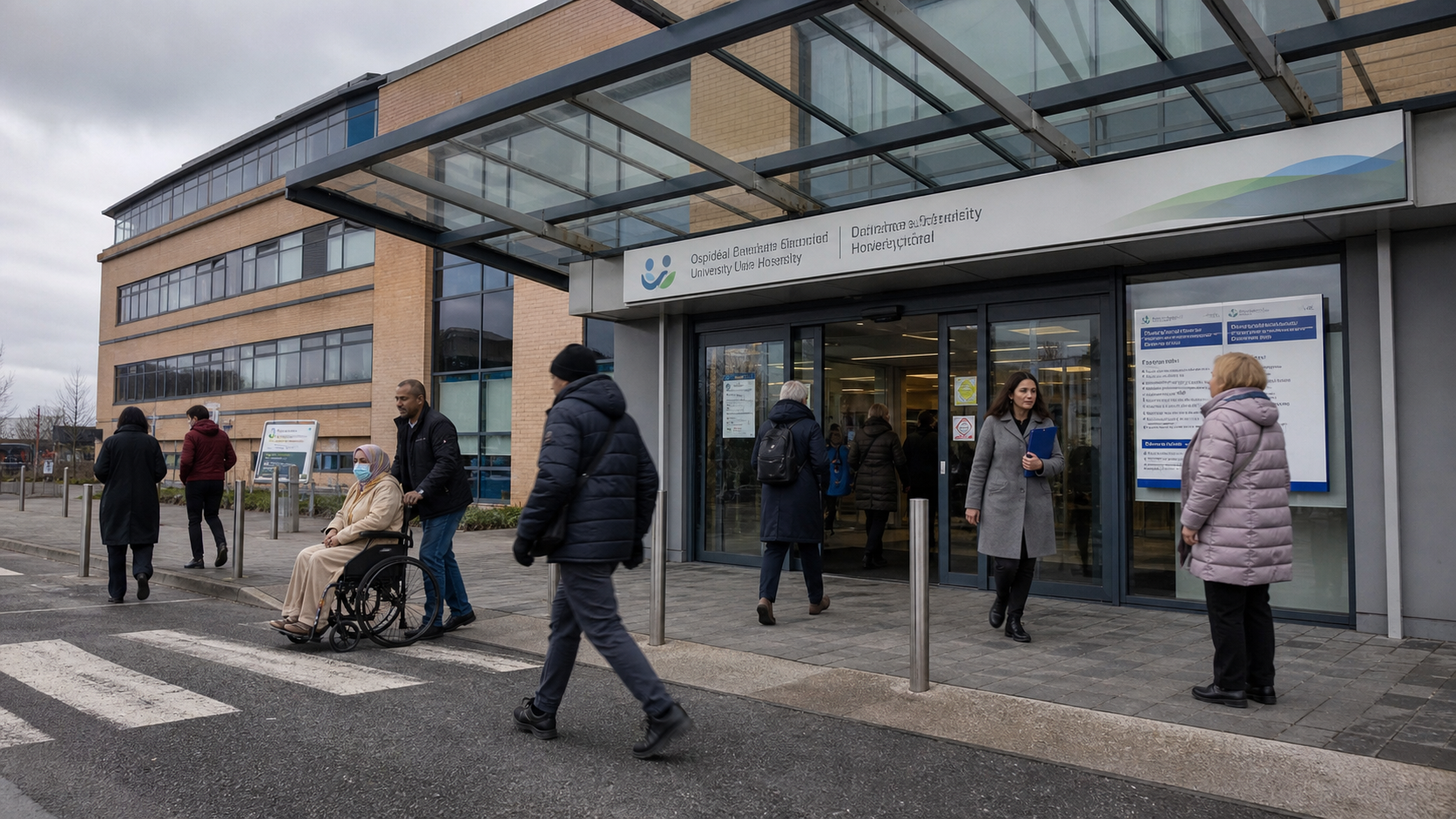
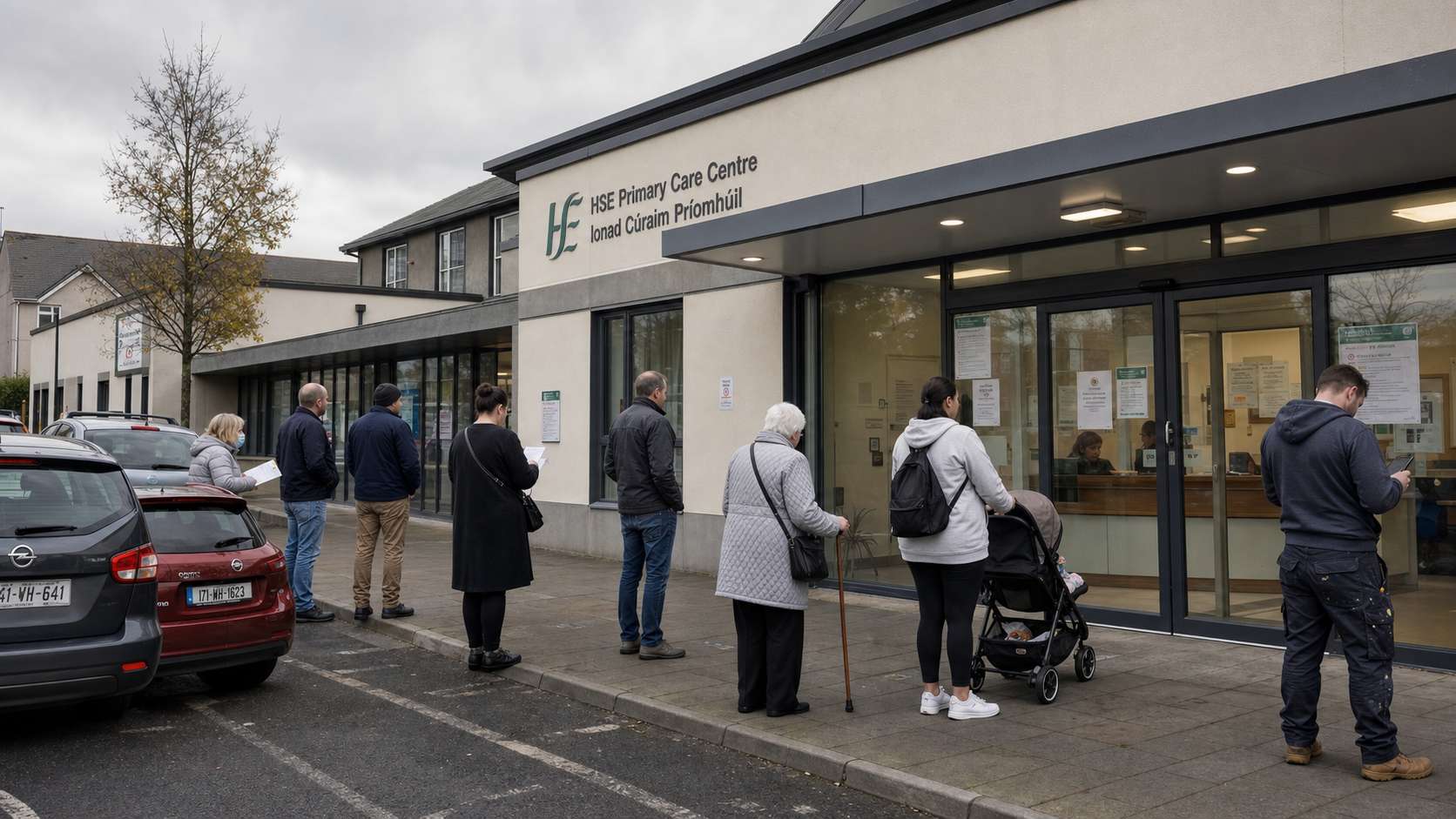
Nearly 6,000 people holding medical cards or GP visit cards have contacted the HSE's GP Assignment Office this year seeking help in registering with a general practitioner, as new figures reveal a deepening crisis in primary care access driven by a population that has grown 10% since 2020 while the GP workforce has expanded by just 6.4% — a mismatch that the Irish College of General Practitioners warns is creating acute shortages in both rural communities and commuter belt towns.
Background
General practice is the foundation of the Irish healthcare system, providing the first point of contact for the vast majority of health concerns and playing a critical role in managing chronic disease, mental health, and preventive care. The ability to register with a GP — and to access that GP in a timely manner — is a fundamental determinant of health outcomes, and the growing difficulty that many Irish people face in finding a GP represents a serious threat to the equity and effectiveness of the healthcare system.
The GP workforce in Ireland has been under pressure for many years, driven by a combination of factors including an ageing GP population approaching retirement, the increasing attractiveness of salaried hospital positions relative to the financial and administrative burdens of running a general practice, and the growing complexity of the patient population as chronic disease prevalence increases. The 2019 and 2023 GP GMS Agreements provided over €340 million in additional expenditure to support general practice, and the annual intake of doctors into the GP training programme has increased by 80% between 2019 and 2024.
Despite these investments, the gap between supply and demand has continued to widen. The HSE's GP Assignment Office, which assists medical card and GP visit card holders who cannot find a GP willing to take them on as a patient, has seen a significant increase in the number of people seeking its help.
Key Developments
By the end of July 2026, 5,775 individuals holding medical cards or GP visit cards had contacted the HSE's GP Assignment Office for help finding a practice — a figure that the Irish Medical Organisation has described as likely an underestimate of the true scale of the problem, since many people who cannot find a GP simply go without rather than contacting the HSE. Between 2020 and 2025, Ireland's population grew by approximately 10%, while the total number of GPs increased by only 6.4%.
The disparity between public and private GP growth is particularly striking. While the number of GPs entering private practice rose by 26.8% between 2020 and 2025, the number of doctors treating patients under the General Medical Services scheme — which covers medical card holders — increased by only 2.3%. In some regions, such as Waterford, the number of GMS-contracted GPs has actually declined despite significant population growth. A strategic review of general practice is currently underway, expected to be completed later in 2026.
Why It Matters
The inability to access a GP is not merely an inconvenience — it is a health risk. People who cannot register with a GP are more likely to delay seeking medical attention, more likely to present to emergency departments with conditions that could have been managed in primary care, and more likely to have chronic diseases that are poorly controlled. The consequences are felt not only by the individuals concerned but by the entire healthcare system, as avoidable emergency department attendances and hospital admissions consume resources that could be better deployed elsewhere.
The concentration of GP growth in private practice, at the expense of GMS-contracted practice, reflects a rational response by individual doctors to the financial and administrative incentives of the current system. Private patients typically pay higher consultation fees, require less administrative overhead, and present with less complex health needs than GMS patients. Addressing this imbalance will require systemic changes to the financial model of general practice, not merely an increase in the number of doctors trained.
Local Impact
The GP shortage is felt most acutely in specific geographic areas. In Waterford city and county, where the number of GMS-contracted GPs has declined despite population growth, patients in some areas are travelling significant distances to access primary care. In commuter belt counties like Kildare, Meath, and Wicklow, rapid population growth has outpaced the development of GP infrastructure, leaving new communities without adequate primary care access. In rural areas across Connacht and Ulster, the retirement of long-serving GPs without replacement has left some communities effectively without a local doctor. The HSE's GP Assignment Office provides a safety net for the most vulnerable patients, but it cannot substitute for a functioning primary care system.
What's Next
The strategic review of general practice is expected to be completed before the end of 2026, with recommendations on workforce planning, financial incentives, and service delivery models. The Department of Health is expected to bring proposals to Cabinet in early 2027. The Irish College of General Practitioners has called for an emergency workforce plan that addresses both the immediate shortage and the structural factors that are deterring doctors from entering GMS practice. The IMO has indicated that it will seek to negotiate improved terms for GMS-contracted GPs in the next round of contract talks.