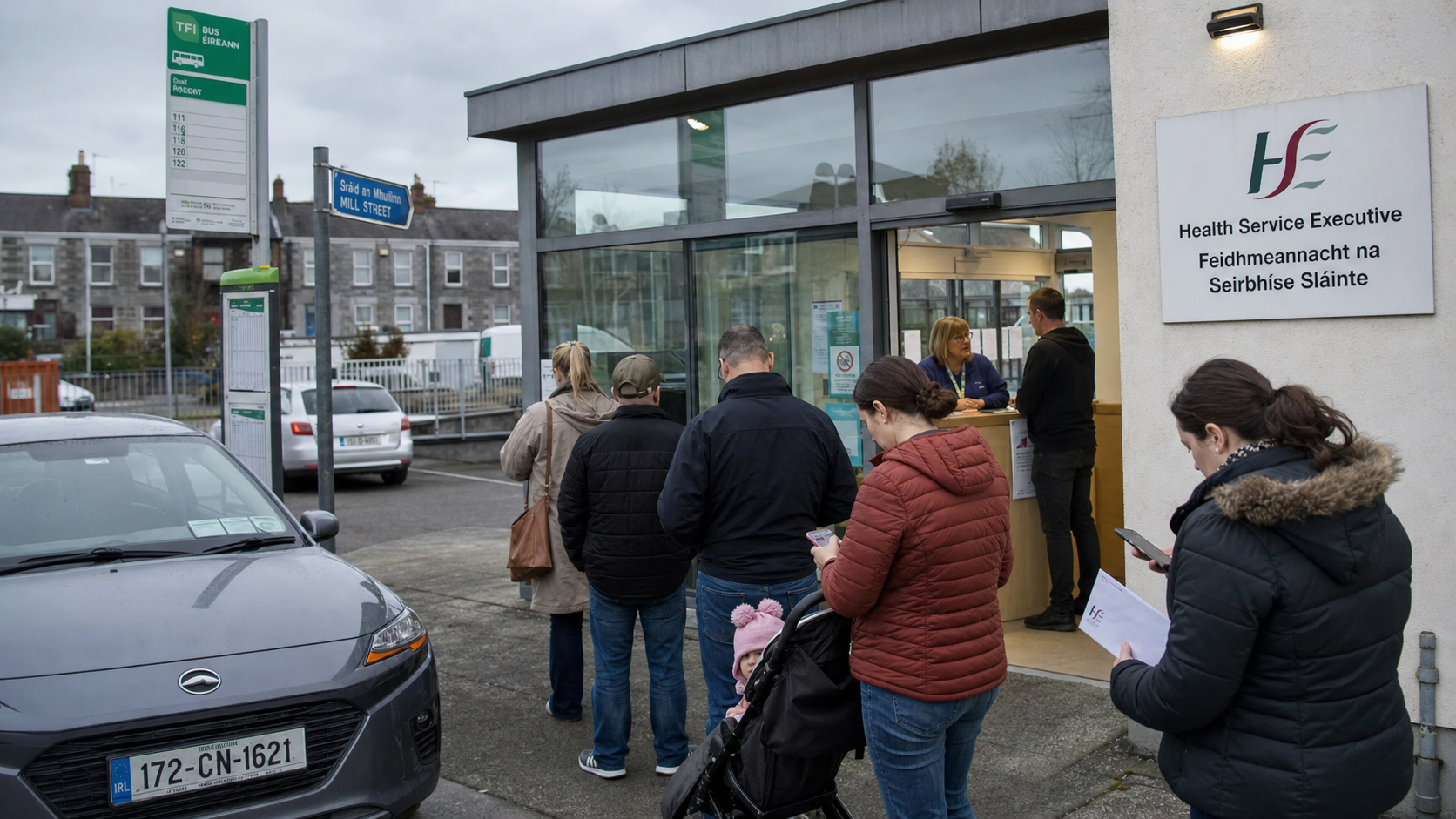
Nearly 6,000 Contact HSE for Help Finding a GP This Year as Family Doctor Crisis Deepens Across Ireland
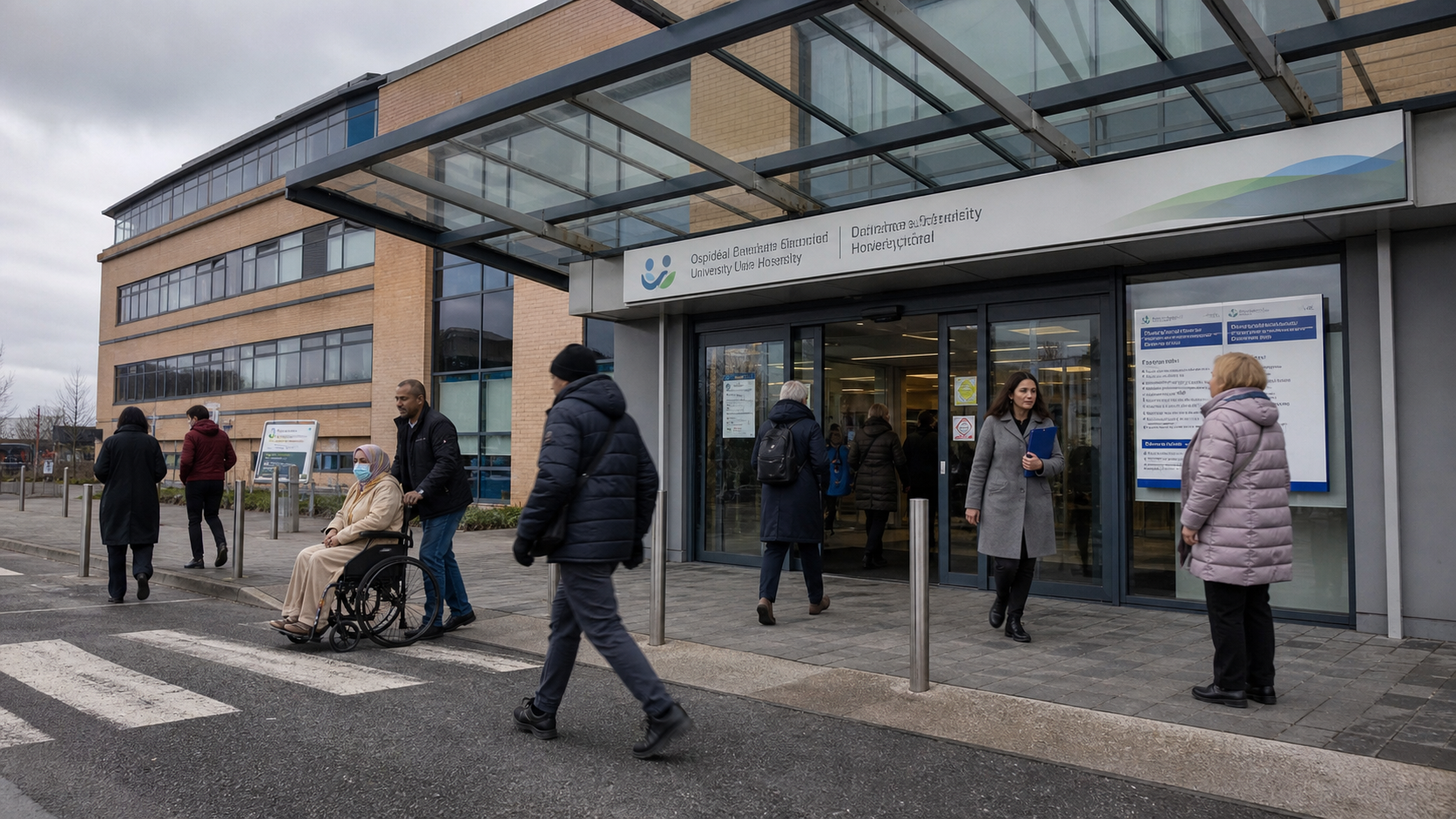
Nearly 6,000 people have contacted the HSE for assistance in finding a GP so far in 2026, with the health service's GP finder service struggling to meet demand as the family doctor shortage reaches crisis point in communities across Ireland — a figure that health advocates say represents only a fraction of the true scale of the problem, given that many people who cannot find a GP simply give up rather than seeking help from the HSE.
Background
The shortage of general practitioners in Ireland has been building for years, driven by a combination of factors that include an ageing GP workforce, inadequate investment in GP training places, the financial and administrative burden of running a practice, and the relative attractiveness of hospital medicine and specialist practice compared to general practice. The problem is not unique to Ireland — GP shortages are a feature of health systems across the developed world — but the Irish situation has been exacerbated by decades of underinvestment in primary care and by a model of GP practice that has made it increasingly difficult to recruit and retain doctors in the community setting.
The consequences of the shortage are felt most acutely by patients who cannot access a GP when they need one. Without a family doctor, people are forced to use emergency departments for conditions that could and should be managed in primary care — a pattern that contributes to the chronic overcrowding of emergency departments that has become one of the defining features of the Irish health system. The inability to access a GP also means that preventive care, chronic disease management, and early detection of serious conditions are all compromised, with long-term consequences for population health.
The HSE's GP finder service was established to help people who are unable to find a GP willing to take them on as a patient. The service attempts to match patients with practices that have capacity, but the growing number of contacts — nearly 6,000 in the first seven months of 2026 — reflects the extent to which that capacity has been exhausted in many areas.
Key Developments
The figure of nearly 6,000 contacts to the HSE GP finder service in 2026 represents a significant increase on previous years and has prompted renewed calls from health advocates and opposition politicians for emergency measures to address the crisis. The Irish College of General Practitioners has warned that the situation will worsen before it improves, given the number of GPs approaching retirement age and the limited pipeline of newly trained doctors entering general practice.
The HSE has indicated that it is working to increase the number of GP training places and to explore new models of primary care delivery — including the expanded use of nurse practitioners and pharmacists in community settings — that could help to fill the gap left by the shortage of GPs. However, critics argue that these measures, while welcome, are insufficient to address the scale of the problem and that more fundamental reform of the GP contract and the funding model for primary care is required.
The government has committed to expanding the number of GP training places from 258 to 350 per year by 2027, but even if that target is met, the impact on the overall supply of GPs will not be felt for several years, given the length of the training pipeline.
Why It Matters
The GP shortage is not merely a health system problem — it is a social justice issue. The communities most affected by the shortage are typically those with the greatest health needs: areas of high deprivation, rural communities with limited access to alternative services, and populations with high rates of chronic disease. In these communities, the inability to access a GP is not an inconvenience but a genuine threat to health and wellbeing. The HSE's figure of nearly 6,000 contacts to the GP finder service almost certainly understates the true scale of the problem. Many people who cannot find a GP do not contact the HSE — they simply go without care, or present to emergency departments when their condition deteriorates to the point where they have no other option. The true number of people without access to a GP is likely to be in the tens of thousands.
Local Impact
The GP shortage is felt across Ireland, but its impact is particularly acute in certain regions. Rural areas of Connacht and Ulster, where the population is dispersed and the distances to alternative services are significant, have been among the hardest hit. In Dublin, the rapid growth of population in commuter belt areas — particularly in counties Kildare, Meath, and Wicklow — has outpaced the development of primary care infrastructure, leaving many new residents without access to a local GP. The HSE's Community Healthcare Organisations have been working to address the most acute shortages through targeted recruitment campaigns and the development of new primary care centres, but progress has been slow relative to the scale of the need.
What's Next
The Department of Health is expected to publish an updated primary care strategy before the end of 2026, setting out a roadmap for addressing the GP shortage over the next five years. The strategy is expected to include measures to increase the attractiveness of general practice as a career, to reduce the administrative burden on GPs, and to develop new models of team-based primary care that can deliver more services with the available workforce. The Irish Medical Organisation, which represents GPs, has indicated that it will engage constructively with the strategy process but has warned that without a fundamental improvement in the terms and conditions of the GP contract, recruitment and retention will remain a challenge.