Nearly 4,000 Violent Incidents Recorded at Northern Ireland Mental Health Facilities in a Single Year
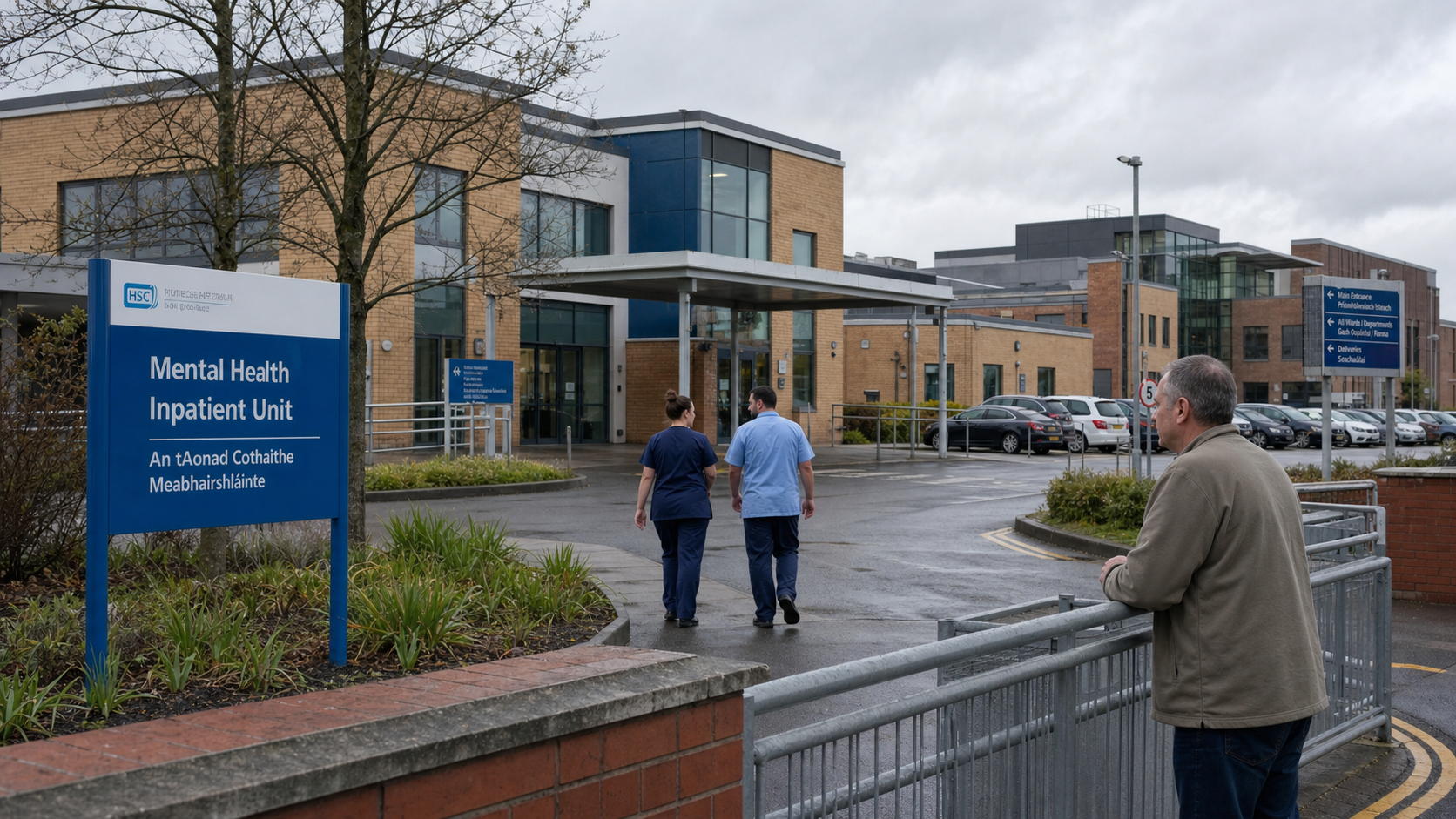
Nearly 4,000 violent incidents were recorded at mental health facilities across Northern Ireland in the past year, according to figures that health campaigners and opposition politicians have described as "deeply concerning" and indicative of a mental health system operating under unsustainable pressure, with staff shortages, inadequate facilities, and insufficient community support services all identified as contributing factors.
Background
Northern Ireland has one of the highest rates of mental ill-health in the United Kingdom, a legacy of the Troubles that has been extensively documented by researchers and public health bodies. The conflict left deep psychological wounds across communities, and the rates of post-traumatic stress disorder, depression, anxiety, and substance misuse in Northern Ireland remain significantly higher than in comparable regions of Great Britain. Mental disorders are the leading cause of years lived with disability in Northern Ireland, ranking higher than in any other UK region — a statistic that underlines the scale of the challenge facing the health system.
The five health and social care trusts in Northern Ireland — Belfast, South Eastern, Southern, Western, and Northern — each operate inpatient mental health units that provide care for people experiencing acute mental health crises. These units are among the most demanding environments in the health service, requiring staff to manage patients who may be in extreme distress, experiencing psychosis, or presenting with complex and overlapping mental health and substance misuse needs. The conditions in which staff work — often in ageing facilities, with staffing levels that fall below recommended ratios — have been a persistent source of concern for trade unions, professional bodies, and patient advocacy groups.
The data on violent incidents at mental health facilities is collected by the health trusts and reported to the Department of Health, but it has not historically been published in a form that allows for easy public scrutiny. The figures now emerging — nearly 4,000 incidents in a single year — have prompted demands for greater transparency and accountability from the health system.
Key Developments
The figures, which cover inpatient mental health units across all five health trusts, reveal a picture of facilities under significant strain. Violent incidents — which include assaults on staff and other patients, as well as incidents of self-harm that require physical intervention — are a recognised feature of acute mental health care, but the volume of incidents recorded in Northern Ireland is significantly higher than comparable figures from other parts of the UK, raising questions about whether the conditions in Northern Ireland's facilities are contributing to the problem.
Health campaigners have pointed to a combination of factors as driving the high incident rate: chronic understaffing, which means that individual staff members are responsible for more patients than is safe; inadequate physical environments, with many facilities dating from the 1970s and lacking the space and design features that support therapeutic care; and insufficient community mental health services, which means that people who could be supported in the community are instead admitted to inpatient units, increasing the pressure on those facilities.
The Department of Health has acknowledged the figures and indicated that it is working with the health trusts to develop a programme of investment in mental health facilities and services. However, opposition politicians have argued that the pace of change is inadequate given the scale of the problem, and have called for an independent review of mental health inpatient services across Northern Ireland.
Why It Matters
The violent incident figures matter because they are a proxy for the broader state of mental health services in Northern Ireland — and what they reveal is a system that is struggling to provide safe, therapeutic care for some of the most vulnerable people in society. Staff who work in these facilities face a level of risk that is not adequately reflected in their pay or their working conditions, and the high incident rate is likely to be a factor in the recruitment and retention difficulties that all five trusts report. For patients, the experience of being in a facility where violent incidents are a near-daily occurrence is unlikely to be conducive to recovery. The figures are a call to action for the Department of Health, the Executive, and the Assembly — a reminder that the underfunding of mental health services has real and measurable consequences for the people who depend on them.
Local Impact
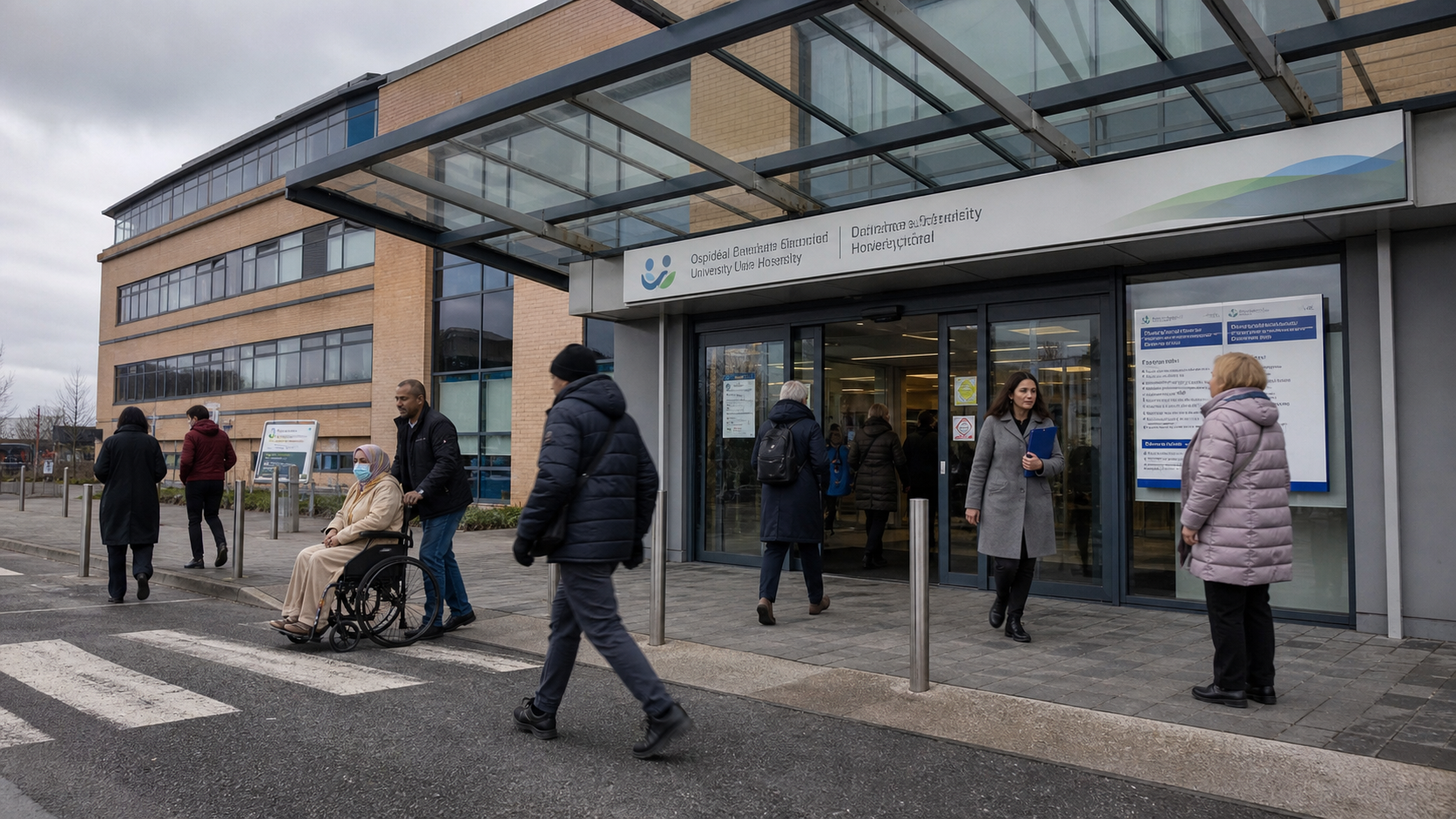
The impact of the figures is felt most directly by the staff and patients of the mental health units across Northern Ireland's five trusts. In Belfast, the Mater Hospital and the Belfast City Hospital both operate mental health inpatient units that have been the subject of previous concerns about staffing and conditions. The Western Trust's Gransha Hospital in Derry/Londonderry and the Southern Trust's facilities in Armagh and Newry have also been identified as areas where investment is urgently needed. The Northern Trust, which covers a large rural area including Antrim, Ballymena, and Coleraine, faces particular challenges in recruiting and retaining mental health staff in areas where the cost of living is lower but the distances involved in providing community services are significant.
What's Next
The Department of Health is expected to publish a response to the violent incident figures in the coming weeks, setting out the measures being taken to address the underlying causes. The Assembly's Health Committee has indicated that it will hold a hearing on the issue in September, at which health trust chief executives and the Department of Health will be asked to account for the figures and to set out their plans for improvement. The Royal College of Nursing and UNISON, which represent the majority of nursing and support staff in Northern Ireland's mental health facilities, have both called for urgent action on staffing levels and have indicated that they will be raising the issue with the Department of Health and the Executive in the coming weeks.