Politics 3 min read

Millions of UK Workers See Pay Rise as New Minimum Wage and State Pension Rates Take Effect

Millions of UK workers and pensioners have seen their incomes rise from 1 April 2026, with the National Living Wage increasing to £12.71 per hour and the state pension rising by 4.8% to £241.30 per week. The changes form part of Labour's cost of living agenda and come as households face rising energy costs from the Iran war.

Titanic NewsWednesday, 1 April 202613 views
Millions of UK Workers See Pay Rise as New Minimum Wage and State Pension Rates Take Effect

Millions of UK Workers See Pay Rise as New Minimum Wage and State Pension Rates Take Effect

Millions of workers and pensioners across the UK have seen their incomes rise from 1 April 2026, as the new National Living Wage of £12.71 per hour and a 4.8% increase in the state pension came into effect alongside a package of other benefit changes.

The increases, which form part of Labour's cost of living agenda, come at a time when households are facing rising energy costs driven by the Iran war, providing some relief for those on lower incomes.

Background

The National Living Wage has been increased annually since its introduction in 2016, with the government committed to raising it to two-thirds of median earnings. The state pension triple lock — which guarantees the pension rises by the highest of average earnings growth, inflation, or 2.5% — has been maintained by the Labour government, delivering a 4.8% increase based on average earnings growth of 4.8% in the May-July 2025 period.

Key Developments

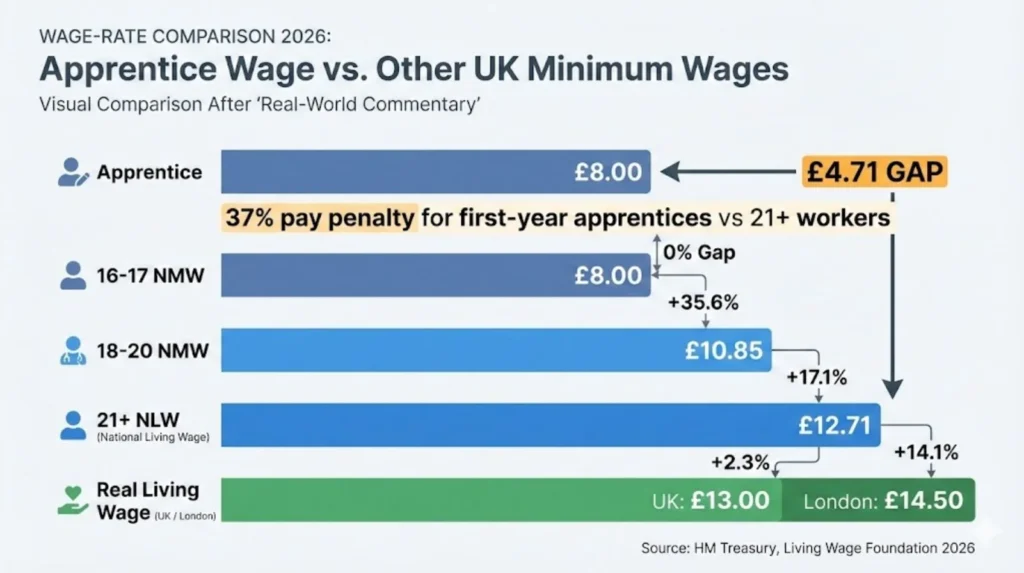
The new National Living Wage for workers aged 21 and over rises from £12.21 to £12.71 per hour — a 4.1% increase that equates to nearly £25,000 annually for a full-time worker, an increase of almost £1,000 per year. Workers aged 18-20 see an 8.5% increase to £10.85 per hour, while 16-17 year olds and apprentices receive a 6% rise to £8.00 per hour.

The new state pension rises from £230.25 to £241.30 per week — approximately £12,548 per year, an increase of £575. The basic state pension for those who retired before April 2016 rises from £176.45 to £184.90 per week. Most other benefits linked to inflation increase by 3.8%, while Universal Credit standard allowances receive an above-inflation boost of 6.2% under the Universal Credit Act 2025.

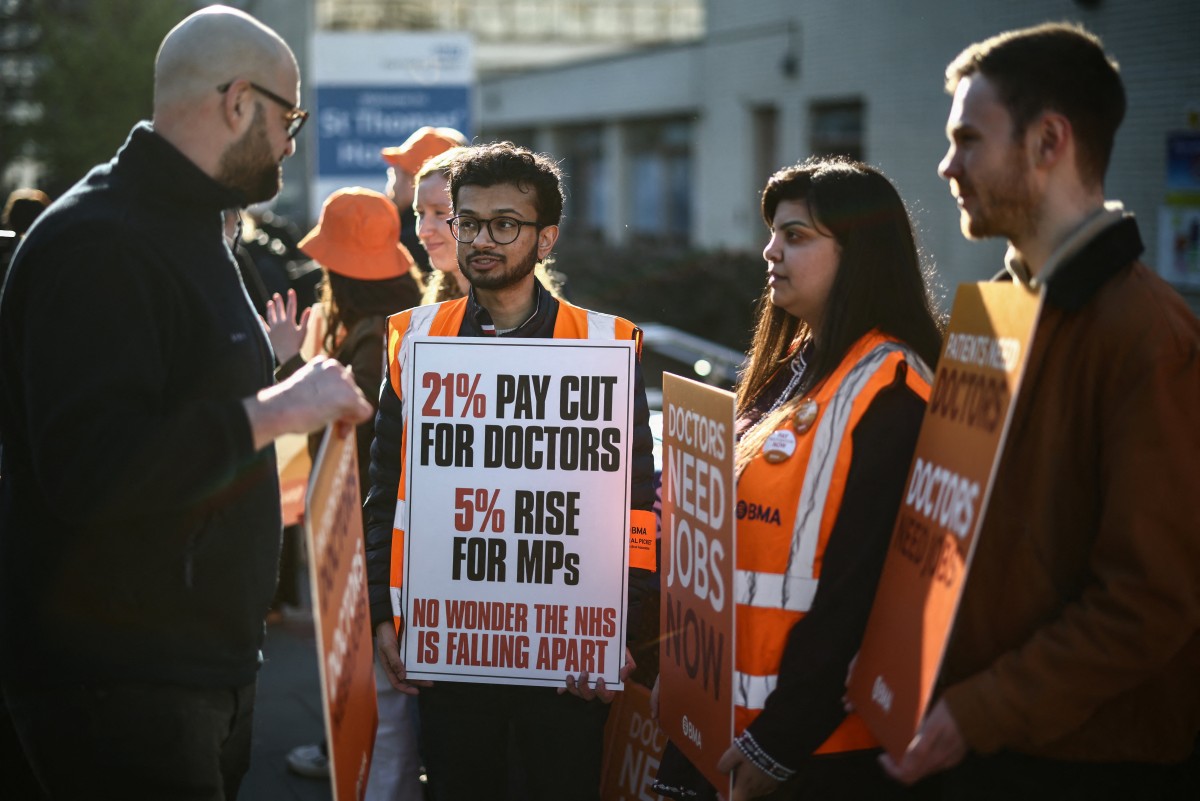
The state pension age also begins a phased increase from 66 to 67 from April 2026, affecting individuals born between 6 April 1960 and 5 March 1961. MPs' basic salary rises by 5% to £98,599 annually — a decision that has drawn criticism from the Taxpayers' Alliance.

Why It Matters

The wage and pension increases provide meaningful financial relief for millions of households at a time of rising energy costs. However, economists note that the frozen personal allowance threshold of £12,570 means approximately 600,000 pensioners will become subject to income tax during 2026-27 as the state pension approaches the threshold. The Chancellor has assured that individuals whose sole income is the state pension will not face income tax liability.

What's Next

The government's next major fiscal event will be the Autumn Budget, where further decisions on benefits, tax thresholds, and cost of living support are expected. Read the full breakdown from Think Money.

What's Your Take?

Minimum WageState PensionUK PoliticsCost of LivingLabour
Share:

Related Stories

Starmer Seeks Closer EU Ties as Iran War Reshapes UK Foreign Policy
Politics

Starmer Seeks Closer EU Ties as Iran War Reshapes UK Foreign Policy

Prime Minister Sir Keir Starmer has announced that the UK will seek closer economic and security ties with the European Union, citing the Iran war and its impact on UK energy prices as a key driver. Starmer acknowledged Brexit had damaged the economy and called for deeper EU cooperation on defence, energy, and trade ahead of a planned UK-EU summit this summer.

Titanic News
3 min read11 Apr 2026
Streeting Refuses to Rule Out Doctors' Strike Ban as 15th NHS Walkout Continues
Politics

Streeting Refuses to Rule Out Doctors' Strike Ban as 15th NHS Walkout Continues

Health Secretary Wes Streeting has refused to rule out banning resident doctors from striking as England's 15th round of NHS industrial action continues, with a six-day walkout running until 13 April causing widespread disruption. The BMA rejected a government pay offer in March, accusing ministers of moving the goalposts, while Streeting says the union has torpedoed its own members' pay rises.

Titanic News
3 min read11 Apr 2026
Royal Navy Tracks Russian Submarines Surveying UK Undersea Cables in North Atlantic
Politics

Royal Navy Tracks Russian Submarines Surveying UK Undersea Cables in North Atlantic

The Royal Navy spent over a month tracking three Russian submarines — including two deep-sea Gugi vessels — that were surveying critical undersea cables and pipelines in the North Atlantic. Defence Secretary John Healey publicly accused Russia of a covert operation and warned of serious consequences for any damage to the infrastructure, which carries over 90% of the UK's daily internet traffic.

Titanic News
3 min read10 Apr 2026
Starmer in Gulf to Secure Ceasefire as UK Pushes to Reopen Strait of Hormuz
Politics

Starmer in Gulf to Secure Ceasefire as UK Pushes to Reopen Strait of Hormuz

Prime Minister Keir Starmer has travelled to Saudi Arabia and the UAE to press for a permanent US-Iran ceasefire and the reopening of the Strait of Hormuz, whose closure has driven up UK energy prices. Starmer met Saudi Crown Prince MBS and UAE President Sheikh Mohamed, pledging UK support for regional security. The fragile truce remains under threat as Israel continues strikes in Lebanon.

Titanic News
3 min read10 Apr 2026