Mary Lou McDonald Vows to Lead Sinn Féin Into Next Election at Belfast Ard Fheis
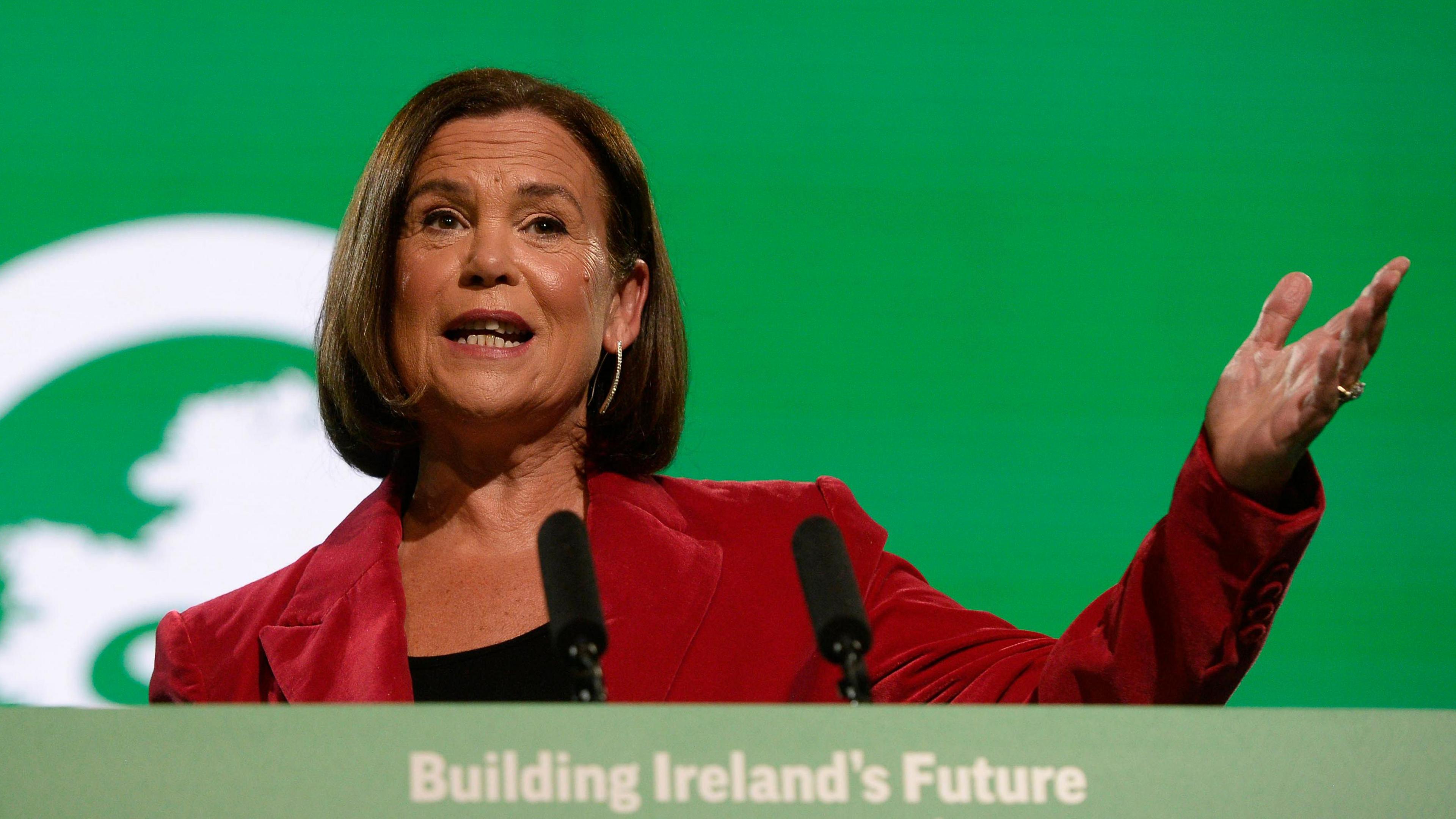
Sinn Féin leader Mary Lou McDonald has firmly dismissed reports of internal dissatisfaction with her leadership, declaring at the party's Ard Fheis in Belfast on Saturday that she will lead Sinn Féin into the next general election — while calling for an emergency mini-budget to address Ireland's cost-of-living crisis, pledging to push for Irish unity referendums by 2030, and announcing legislation to compel the Irish government to publish a green paper on constitutional change.
Background
The Sinn Féin Ard Fheis was held at the International Convention and Exhibition Centre in Belfast on Saturday 25 April 2026 — the first time the party's annual conference has been held in the city. The choice of Belfast was itself a statement of intent: a party that has long positioned itself as the vehicle for Irish unity holding its flagship event in the North, in a city where it remains the largest political party.
Sinn Féin entered the event as the leading party in opinion polls in the Republic of Ireland, with support ranging between 22 and 24 per cent across different polls — a significant increase since the 2024 general election, in which the party secured 39 seats. However, the party's support in Northern Ireland has softened in recent months, with polling indicating a figure of around 24 per cent, down from a high of approximately 31 per cent five years ago. The Ard Fheis came amid persistent media speculation about McDonald's leadership, which she moved swiftly to address.
Key Developments
McDonald delivered a keynote address in which she stated there were "no plans for change at the top of Sinn Féin" and that the party was "united, strong and determined to motor on." She confirmed that both she and First Minister Michelle O'Neill would be re-elected by party members at the Ard Fheis, and called on voters in upcoming by-elections in Dublin Central and Galway West to support Sinn Féin candidates as a means of pressuring the current government.
The centrepiece of McDonald's policy address was a call for an "emergency mini-budget" to address the cost-of-living crisis. Key measures proposed included a substantial cut to excise duty, the complete removal of carbon tax on home heating oil and green diesel, €400 worth of electricity credits, a €500 cost of disability payment, and a permanent cut to the Universal Social Charge (USC) that would return approximately €500 to every worker's pocket. Finance Spokesperson Pearse Doherty stressed that people "cannot wait" for the next budget in October.
On Irish unity, McDonald announced that Sinn Féin would introduce legislation before the summer to compel the Irish government to publish a green paper detailing the process of Irish unity and to convene a series of all-Ireland Citizens' Assemblies. She stated that referendums could occur by 2030, a timeline echoed by First Minister Michelle O'Neill, who described it as "very conceivable." McDonald appealed directly to unionist politicians, saying Sinn Féin wants to build Ireland's future "with them." As RTÉ reported, the unity agenda dominated much of the conference discussion.
The Ard Fheis also saw a contentious vote on fox hunting, which passed against the wishes of some senior party figures — a moment McDonald used to demonstrate that "the members are the ones who set policy." McDonald also met with the family of murdered Derry GAA official Sean Brown, pledging to press the British Prime Minister for a public inquiry into his killing.
Why It Matters
The Ard Fheis comes at a significant moment for Sinn Féin. McDonald's firm assertion of her leadership position is designed to quell speculation about her future, though political analysts will be watching closely to see whether the party's polling recovers in the months ahead. The party's handling of the immigration issue — with Justice Spokesperson Matt Carthy acknowledging that Sinn Féin "did make mistakes" and should have communicated its position more clearly — suggests a party that is recalibrating after a difficult period. The Irish unity agenda, meanwhile, remains the party's most powerful long-term proposition, and the 2030 referendum timeline gives it a concrete political horizon to campaign around. As The Irish Times noted, the question of whether Sinn Féin is genuinely closer to its goals than five years ago remains sharply contested.
Local Impact
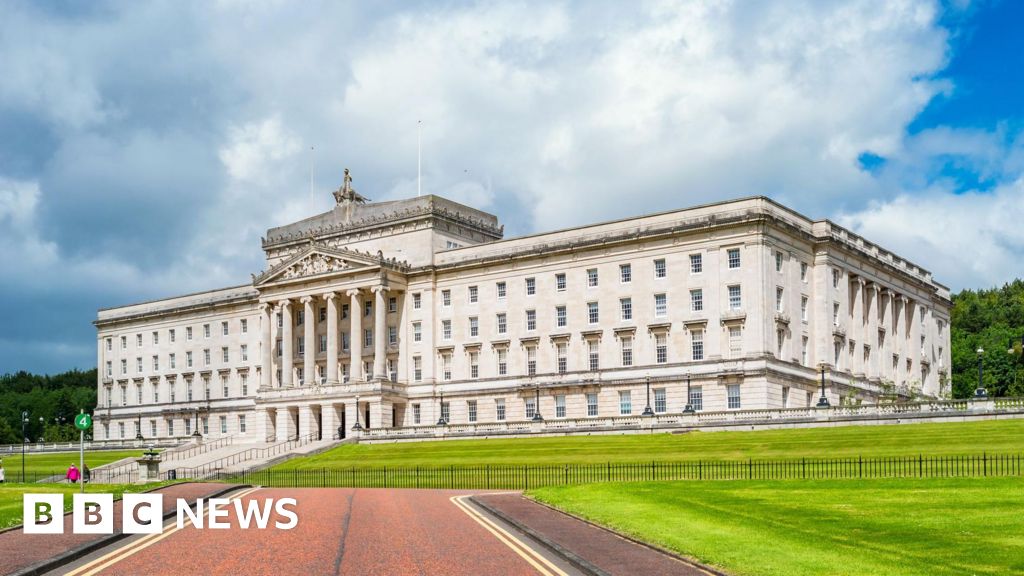
For Northern Ireland, the Ard Fheis in Belfast carries particular resonance. Sinn Féin remains the largest party in the Stormont Assembly, and First Minister Michelle O'Neill's presence at the conference underscored the party's dual role as both a governing party in the North and an opposition party in the South. The Irish unity agenda — and the 2030 referendum timeline — will shape political debate in Northern Ireland for years to come, with unionist parties already signalling their opposition to any accelerated timetable. For communities across Belfast and beyond, the cost-of-living proposals will resonate most immediately, as households continue to grapple with elevated energy costs and the ongoing pressures of inflation.
What's Next
Sinn Féin plans to introduce Irish unity legislation before the summer recess of the Dáil. The party will also contest upcoming by-elections in Dublin Central and Galway West, with McDonald calling on voters to "hit" Government parties "harder" by supporting Sinn Féin. The next general election in the Republic is not due until 2029, but the party's strategic positioning — on unity, on the cost of living, and on leadership stability — will be tested in the months ahead as it seeks to rebuild momentum and consolidate its position as Ireland's leading political force.