Lyra McKee Murder Trial Hears Defence Challenge 'Wholly Circumstantial' Evidence
The murder trial of journalist Lyra McKee, who was shot dead in Derry in 2019, has concluded its final submissions at Belfast Crown Court, with defence barristers mounting a robust challenge to the prosecution's case — arguing that the evidence against the accused is "wholly circumstantial" and "inherently weak" — as the presiding judge reserves judgment in one of Northern Ireland's most significant criminal proceedings in years.
Background
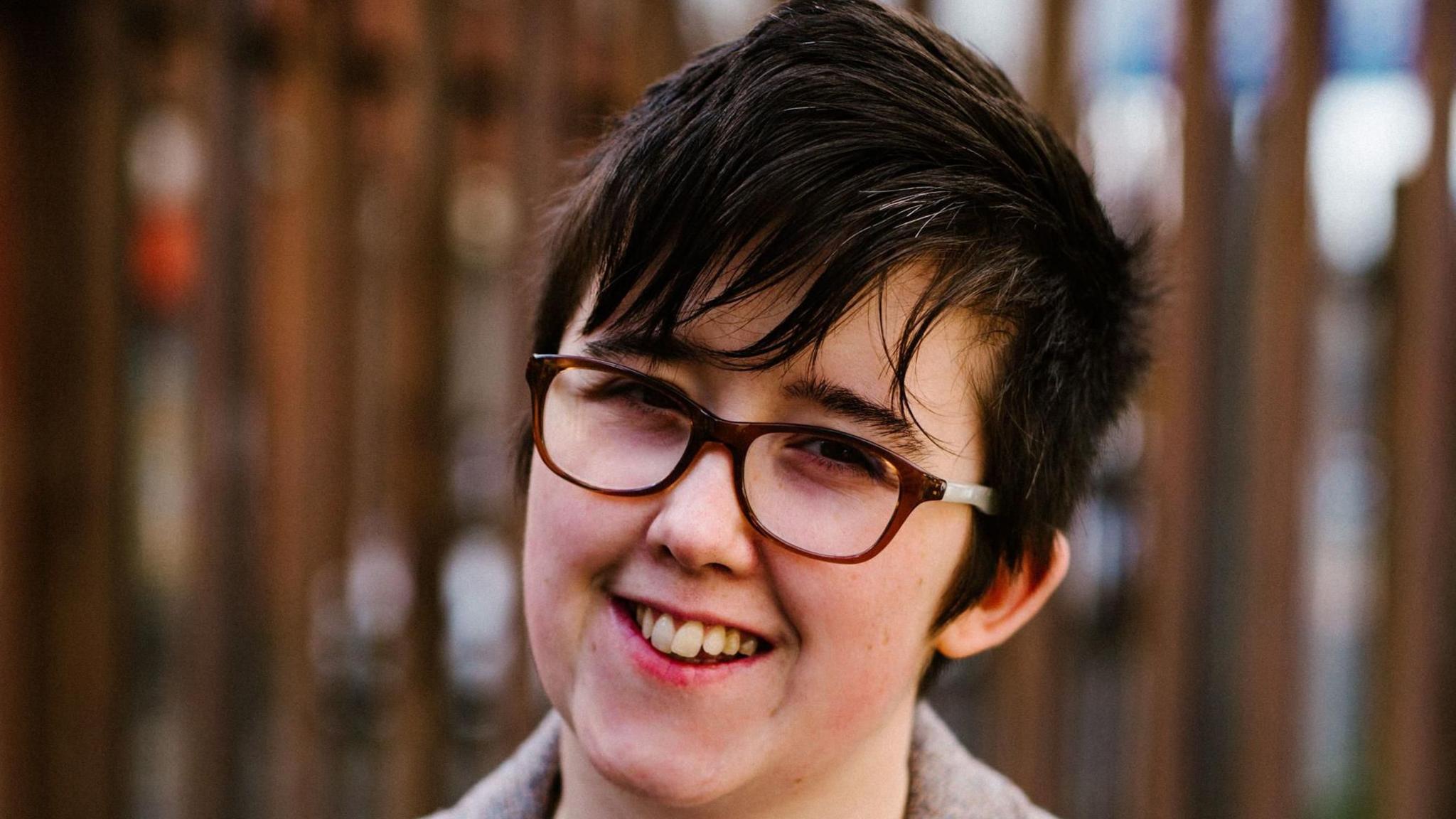
Lyra McKee was a 29-year-old journalist and author who was shot dead on April 18, 2019, during rioting in the Creggan area of Derry/Londonderry. She was standing near police lines observing the disturbances when she was struck by a bullet fired by a masked gunman. The New IRA claimed responsibility for her death, describing it as an accident. Her death sent shockwaves across the political spectrum in Northern Ireland and beyond, uniting politicians in condemnation and sparking a renewed focus on the dangers posed by dissident republican groups. Her funeral was attended by the leaders of the UK and Ireland, and all of Northern Ireland's major political parties.
McKee had been a rising star in journalism, known for her investigative work and her personal essay about growing up gay in Belfast. The trial, which commenced in May 2024 and concluded its final submissions in April 2026, is being heard as a non-jury trial at Belfast Crown Court before Mrs. Justice Smyth. Three men — Paul McIntyre (58), Peter Cavanagh (37), and Jordan Gareth Devine (25) — face charges for Ms. McKee's murder on a joint enterprise basis, alongside six other men facing charges related to the rioting and petrol bomb attacks that engulfed the Creggan estate that night.
Key Developments
The prosecution's case was built on a complex web of circumstantial evidence, primarily relying on a painstaking analysis of video footage from CCTV, mobile phones, and a documentary crew from MTV that was filming in the area. Prosecutors argued this visual evidence linked the accused to the scene through their clothing, physical features, and movements. For Paul McIntyre, the prosecution contended he played a "leading role" in both the riot and the shooting party, with a forensic image analyst identifying him as 'Person D' in the footage through distinctive trainers, a tattoo of the name "Paul" on his knuckles, and a bracelet. The prosecution described the imagery evidence against him as "overwhelming."
The defence mounted a robust challenge. Mark Mulholland KC, representing McIntyre, acknowledged the tragedy of Ms. McKee's death but launched a scathing critique of the police investigation, arguing that "lines were crossed and expert witnesses were compromised." He characterised the prosecution's case against his client as flimsy as a "white dot on a coat." Barristers for the other defendants echoed these criticisms, with Eilis McDermott KC describing the evidence against Jordan Devine as "tenuous." The defence for Peter Cavanagh argued that DNA found on a burned jacket could have been the result of innocent transfer.
Why It Matters
The trial is of profound importance to Lyra McKee's family, friends, and the wider community in Northern Ireland. Achieving justice for her murder is seen as a test of the criminal justice system's ability to hold dissident republican groups accountable for their actions in the post-Troubles era. The case has also provided a harrowing account of Ms. McKee's final moments: the court heard a police witness describe the "horrifying" scream after the fatal shot and the frantic five-minute journey in a police Land Rover to Altnagelvin Hospital, where she was pronounced dead. The proceedings have been closely watched across Northern Ireland and beyond, given the significance of the case and the public profile of the victim.
Local Impact
For the people of Derry and Belfast, the trial represents a long-awaited reckoning with the violence of April 2019. Lyra McKee's death was a moment that cut across political and community divides in Northern Ireland, prompting rare unity in grief and condemnation. The outcome of the trial will be felt deeply in the Creggan community, where the rioting took place, and across the city of Derry. Mrs. Justice Smyth acknowledged the immense complexity of the case and stated that the judgment would "take some time" but would be her priority — a verdict that will have profound implications for the ongoing process of peace and reconciliation in Northern Ireland.
What's Next
The trial is now in the hands of Mrs. Justice Smyth, who has reserved judgment following the conclusion of final submissions. The verdict, when it comes, will be one of the most significant in Northern Ireland's recent legal history. For the latest on the trial proceedings, see The Irish Times' report on the judgment timeline and BBC News' coverage of the prosecution's final submissions.