First British Monarch to Speak to Joint Session of Congress Since Queen Elizabeth in 1991
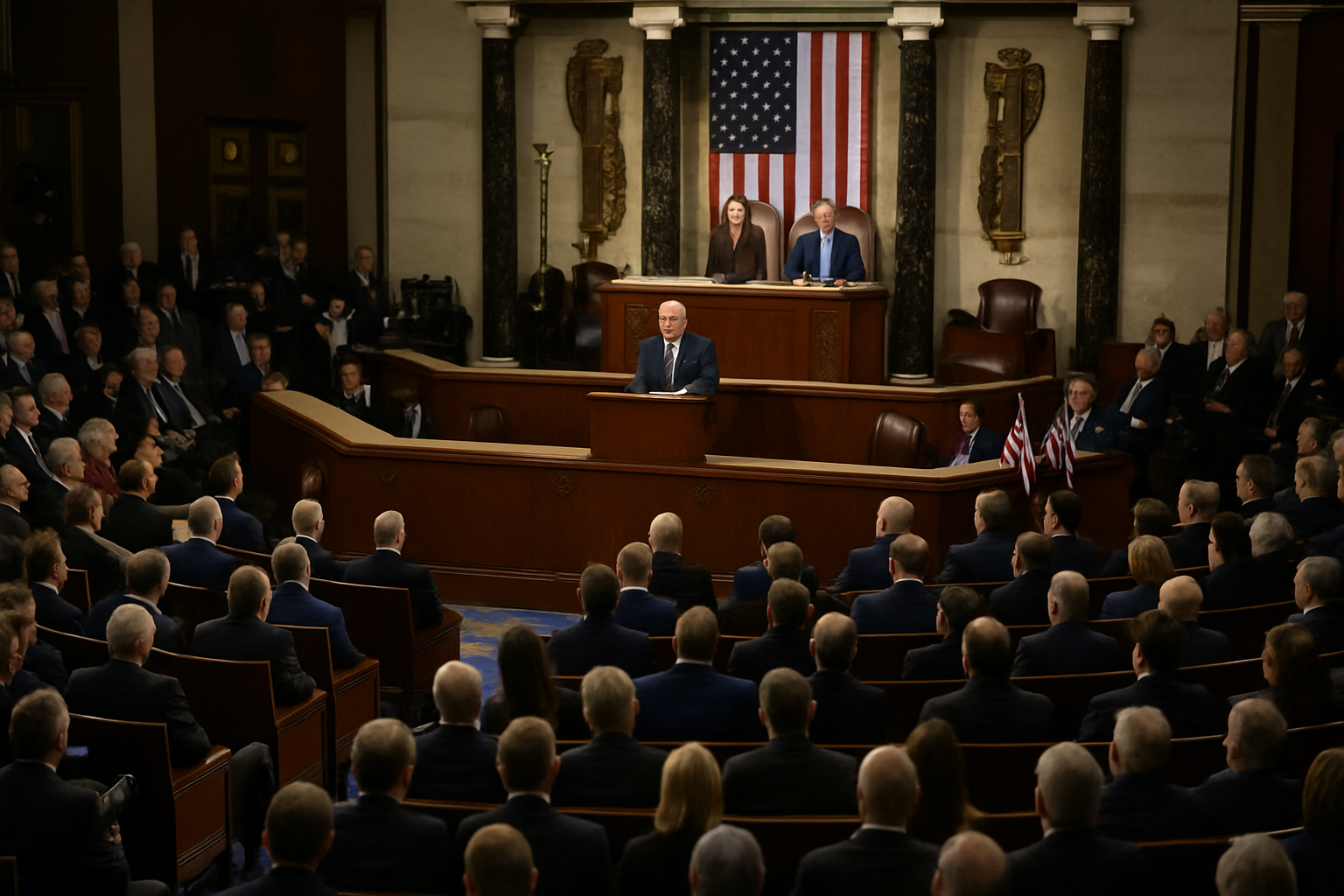
King Charles III is set to address a joint session of the United States Congress on Tuesday — the first British monarch to do so since Queen Elizabeth II in 1991 — as a four-day state visit to America seeks to repair strains in the transatlantic relationship caused by the Iran war and months of diplomatic turbulence under the Trump administration.
Background
The state visit, which began on Monday 27 April, coincides with America's semiquincentennial — the 250th anniversary of the Declaration of Independence — lending it a symbolic weight that both governments have been keen to exploit. Relations between London and Washington have been under strain since the outbreak of the Iran war earlier this year, with Britain and the United States taking divergent positions on the pace of diplomacy and the role of sanctions. The visit is seen as an opportunity to demonstrate that the "special relationship" — that much-invoked but often tested bond — retains genuine substance.
King Charles and Queen Camilla arrived at Joint Base Andrews in Maryland on Monday, where they were greeted by British Ambassador Sir Christian Turner and White House Head of Protocol Monica Crowley. Their first engagement was afternoon tea with President Donald Trump and First Lady Melania Trump in the White House Green Room — a deliberately informal setting designed to project warmth before the formal ceremonies of Tuesday.
The King's role in diplomacy is constitutionally constrained — he cannot express political opinions or take sides in disputes between governments — but his personal relationships with world leaders, built over decades as Prince of Wales, give him a unique capacity to open doors and soften atmospheres that formal diplomatic channels cannot always reach. His 1991 address to Congress, delivered by his mother, is remembered as a high point of post-Cold War Anglo-American solidarity.
Key Developments
Tuesday's programme includes a State Arrival Ceremony on the South Lawn of the White House, featuring military honours, national anthems, a 21-gun salute, and an inspection of troops. The King's address to a joint meeting of Congress — both the Senate and the House of Representatives — is the centrepiece of the visit, and is expected to emphasise shared democratic values, the importance of the rules-based international order, and the two nations' common history.
A state banquet at the White House is planned for Tuesday evening. On Monday, the royal couple attended a garden party at the British Ambassador's Residence, hosted by Sir Christian Turner, which welcomed approximately 650 guests including House Speaker Mike Johnson, former Speaker Nancy Pelosi, and Treasury Secretary Scott Bessent. Security for the visit was heightened following a shooting incident near the White House Correspondents' Association Dinner on Saturday, though Buckingham Palace confirmed the visit would proceed as planned.
On Wednesday, the King and Queen will travel to New York City to visit the September 11 Memorial, meet with first responders and victims' families, and engage with a community project in Harlem. The visit concludes on Thursday in Virginia before King Charles travels on to Bermuda for a solo royal visit.
Why It Matters
State visits by the British monarch to the United States are rare and carry disproportionate symbolic weight. The last such visit was by Queen Elizabeth II in 2007. That Charles is making this trip now — at a moment of genuine tension in the transatlantic relationship — signals that both governments regard the visit as more than ceremonial. The Iran war has exposed fault lines between Washington's hawkish instincts and London's preference for diplomatic engagement, and the King's presence provides a moment of reset that no prime ministerial visit could replicate.
For the UK, the visit also serves a domestic purpose. With Starmer's government under pressure at home, a successful royal visit to Washington — generating images of warmth and solidarity between the two nations — provides a welcome counterpoint to the political turbulence of the Mandelson affair. Unlike Scotland's devolved government, which has no direct role in foreign policy, Westminster can point to the state visit as evidence that Britain's global standing remains intact despite domestic difficulties.
Local Impact
The state visit has tangible implications for people across the UK and Ireland. Trade negotiations between Britain and the United States — stalled since Brexit — may receive fresh impetus from the goodwill generated by the visit. For Northern Ireland in particular, where the US has historically played a crucial role as a guarantor of the peace process, the King's engagement with American political leaders matters. Any warming of relations between London and Washington could ease the diplomatic pressure on the Northern Ireland Protocol and its successor arrangements. For Irish Americans — a powerful constituency in US politics — the visit is also an opportunity to reinforce the importance of the island of Ireland to the transatlantic relationship.
What's Next
The King's address to Congress on Tuesday is the key moment to watch. The text of the speech, which will have been carefully negotiated between Buckingham Palace, Downing Street, and the White House, will be scrutinised for any signals about the future direction of UK-US relations. Following the state visit, trade talks between the two governments are expected to resume in May. Watch also for any joint statement from Trump and Starmer on the Iran situation, which may emerge from the diplomatic groundwork laid during the royal visit.