Iran’s High-Stakes Offer: Hormuz for an End to US Blockade
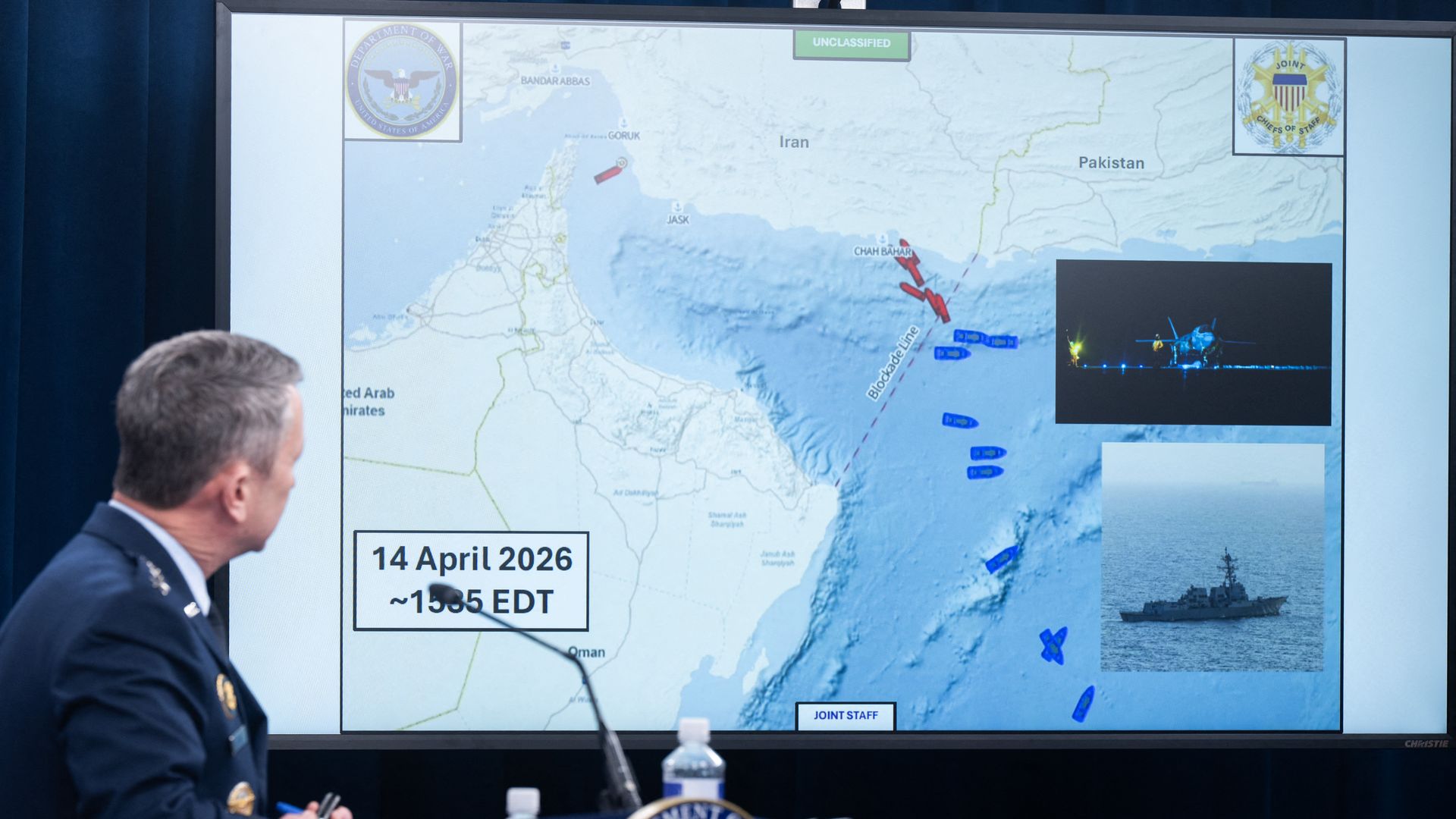
Iran has made a dramatic offer to reopen the strategically vital Strait of Hormuz in exchange for the United States lifting its crippling blockade and bringing an end to the ongoing war. The proposal, which was conveyed to US officials via Pakistani intermediaries, represents a potential breakthrough in the conflict that has sent shockwaves through the global economy and pushed the Middle East to the brink of a wider conflagration.
Background
The Strait of Hormuz, a narrow waterway connecting the Persian Gulf to the open ocean, is the world’s most important oil chokepoint. Approximately one-fifth of the world’s traded oil and gas passes through the strait, and its closure by Iran at the start of the conflict has had a devastating impact on the global economy. Oil prices have soared by nearly 50% since the war began, with Brent crude now trading at around $108 a barrel. The closure has also led to sharp increases in the price of food, fertiliser, and other essential goods, hitting the poorest countries the hardest.
The war, which was initiated by the US and Israel on February 28, is aimed at preventing Iran from developing nuclear weapons. The US has imposed a tight blockade on Iran, aimed at cutting off its oil revenues and forcing it to the negotiating table. A fragile ceasefire has been in place since April 7, but a permanent resolution to the conflict remains elusive.
Key Developments
Iran’s offer to reopen the strait is a sign that the US blockade is having a significant impact on the Iranian economy. The proposal suggests that Iran is willing to make a major concession in order to get the blockade lifted. However, the offer comes with a significant caveat: it would defer negotiations on Iran’s nuclear programme to a later stage. This is likely to be a major sticking point for the US, which has made the dismantling of Iran’s nuclear programme a key condition for any deal.
US President Donald Trump has reportedly indicated that he is unlikely to accept the offer. He has repeatedly stated that his primary goal is to ensure that Iran never possesses a nuclear weapon. The US is demanding that Iran hand over its stockpile of highly enriched uranium, which could be used to build a bomb. Iran, for its part, insists that its nuclear programme is for peaceful purposes only.
Why It Matters
The standoff over the Strait of Hormuz is a high-stakes game of geopolitical chess, with the stability of the global economy hanging in the balance. A prolonged closure of the strait could trigger a global recession, with devastating consequences for countries around the world. The conflict has also raised the spectre of a wider war in the Middle East, which could draw in other regional powers and have catastrophic consequences. The international community has been calling for a diplomatic solution to the crisis, but the deep-seated mistrust between the US and Iran has made it difficult to make progress.
Local Impact
The conflict in the Middle East may seem a world away from the UK and Ireland, but its impact is being felt in the pockets of ordinary people. The surge in oil prices has led to higher prices at the petrol pumps, and the rising cost of food and other goods is putting a strain on household budgets. The conflict has also created a great deal of uncertainty for businesses, particularly those that are reliant on international trade. A resolution to the crisis would be a major boost for the global economy, and it would be welcomed by people in the UK and Ireland.
What's Next
The ball is now in the US court. President Trump has a difficult decision to make. He can either accept Iran’s offer and hope that it leads to a wider de-escalation of the conflict, or he can reject it and continue with his policy of maximum pressure. The stakes could not be higher. The world will be watching and waiting to see what he decides. In the meantime, diplomatic efforts to find a peaceful solution to the crisis will continue. Pakistan has been playing a key role as a mediator, and other countries, such as Russia and Oman, have also been involved in the discussions. The hope is that a way can be found to bridge the gap between the two sides and to avert a wider catastrophe.
Attribution: PBS NewsHour, Associated Press