World News 3 min read

Iran Ceasefire on Brink of Collapse as Middle East Tensions Escalate

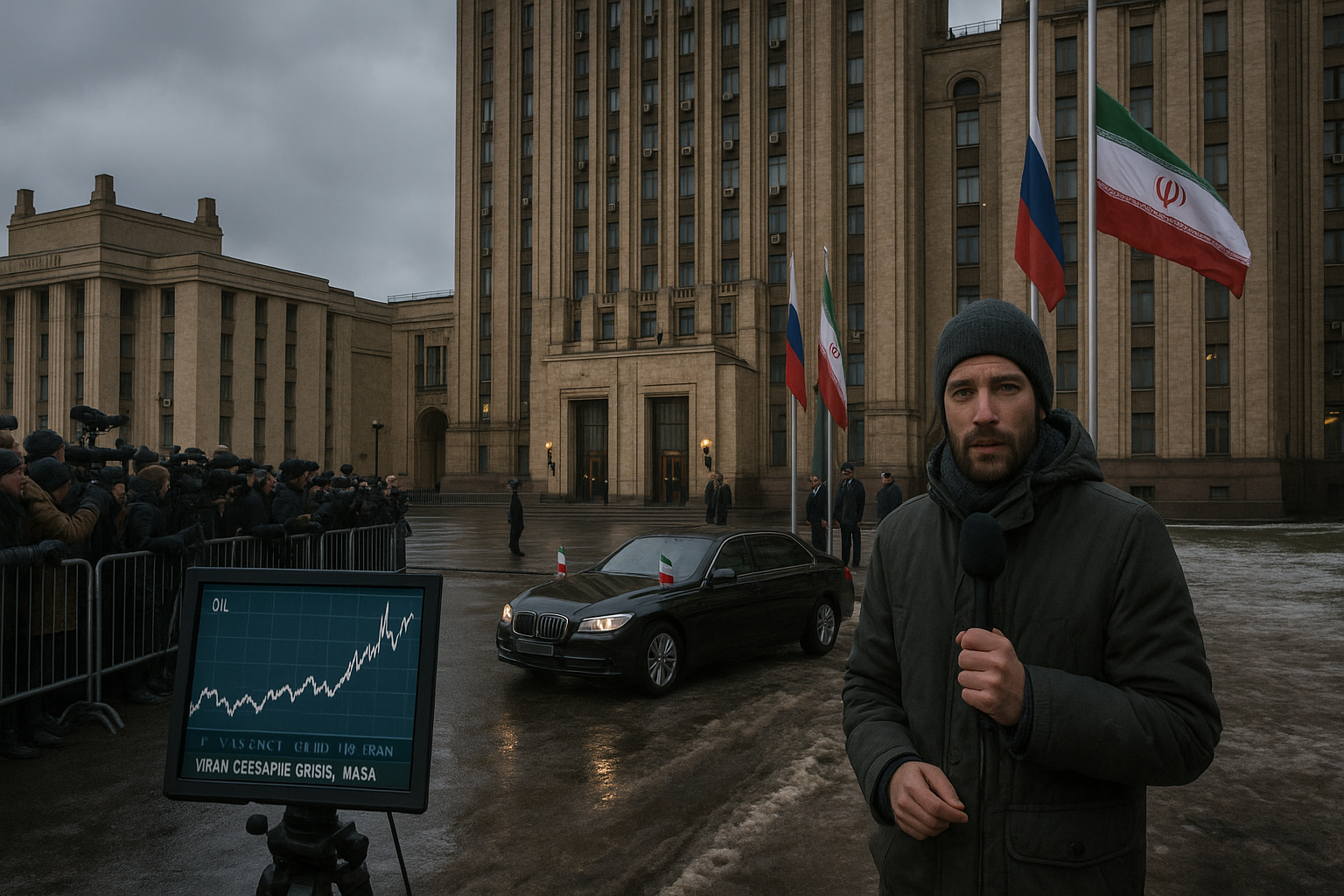
The fragile US-Iran ceasefire that began on 8 April 2026 is showing serious signs of collapse, with Iran-backed militias continuing attacks and diplomatic talks stalling, as the conflict continues to drive up global energy prices and UK inflation. Iran's foreign minister has travelled to Moscow for talks with Putin as diplomatic efforts intensify to prevent a return to full-scale hostilities.

Titanic NewsMonday, 27 April 20263 views
Iran Ceasefire on Brink of Collapse as Middle East Tensions Escalate

Iran Ceasefire on Brink of Collapse as Middle East Tensions Escalate

A fragile two-week ceasefire between the United States, Iran, and Israel that commenced on 8 April 2026 is showing serious signs of collapse, with Iran-backed militias continuing attacks and diplomatic efforts stalling, as the conflict continues to drive up global energy prices and threaten economic stability across the UK and Europe.

Despite the ceasefire agreement, reports from 26 April indicate that hostilities have not ceased, with Iran-backed militias continuing attacks and Israel vowing to occupy parts of southern Lebanon to expand its buffer zone. The conflict has inflicted significant damage on Iran's military and economic infrastructure, yet has not achieved the stated objectives of halting Iran's nuclear enrichment or ballistic missile programmes.

Background

The conflict between the US-Israeli coalition and Iran has been a defining feature of the geopolitical landscape in early 2026, with significant consequences for global energy markets. The disruption to Middle Eastern oil supplies has been a primary driver of rising UK inflation, with the Bank of England citing the conflict as a key factor behind the increase in CPI to 3.3% in March 2026.

Key Developments

Iran's foreign minister departed for Moscow on 26 April for a meeting with President Vladimir Putin, signalling that Iran is seeking to shore up its diplomatic relationships as pressure from the US and Israel intensifies. US President Trump cancelled a planned trip by negotiators to Pakistan for talks with Iran, stating that communication could happen by phone β€” a move interpreted by analysts as a sign of frustration with the pace of negotiations.

Gulf states including Qatar and Kuwait are facing potential GDP contractions if the fighting persists, highlighting the broader regional economic impact of the conflict. The OECD has forecast that UK headline inflation could reach 4% in 2026, the second-highest in the G7, largely as a result of the energy price shock caused by the Middle East conflict.

Why It Matters

The ongoing conflict has direct consequences for British and Irish households, driving up the cost of petrol, diesel, and energy bills at a time when the cost of living is already the top concern for the majority of the British public. The conflict also raises serious questions about regional stability and the risk of further escalation, with potential implications for global trade and security.

What's Next

Diplomatic efforts are continuing, with the US seeking to extend the ceasefire while negotiations on Iran's nuclear programme proceed. However, the gap between the parties remains wide, and the risk of a return to full-scale hostilities is significant. As Euronews reports, the situation remains highly volatile.

What's Your Take?

IranMiddle EastCeasefireWorld NewsEnergy Prices

Related Stories

Germany Accuses Russia of Signal Phishing Attacks Targeting Politicians
World News

Germany Accuses Russia of Signal Phishing Attacks Targeting Politicians

Germany has accused Russia of conducting sophisticated Signal phishing attacks targeting German politicians, in the latest example of Moscow's ongoing cyber warfare campaign against Western democracies. The attacks targeted the encrypted messaging platform widely used by politicians and officials, raising fresh concerns about the security of government communications across Europe.

Titanic News
3 min read27 Apr 2026
Ukraine Marks 40th Anniversary of Chernobyl Disaster Under Shadow of War
World News

Ukraine Marks 40th Anniversary of Chernobyl Disaster Under Shadow of War

Ukraine marked the 40th anniversary of the Chernobyl nuclear disaster on 26 April with President Zelenskyy accusing Russia of "nuclear terrorism," as at least 16 people were killed in Russian attacks on the day of the commemoration. Zelenskyy also signalled his readiness to meet Putin for talks in Azerbaijan, offering a potential diplomatic opening in the ongoing conflict.

Titanic News
3 min read27 Apr 2026
Russia Strikes Ukraine as Colombia Bus Bomb Kills 13 in Deadly Weekend of International Violence
World News

Russia Strikes Ukraine as Colombia Bus Bomb Kills 13 in Deadly Weekend of International Violence

Russian drone and missile strikes killed at least five people in Ukraine over the weekend, while a bomb attack on a bus in Colombia claimed 13 lives and injured 38 others including five children. The attacks highlight the ongoing toll of multiple simultaneous global conflicts, with FARC dissidents blamed for the Colombia bombing.

Titanic News
3 min read26 Apr 2026
Netanyahu Reveals He Was Treated for Prostate Cancer, Delayed Announcement to Avoid Aiding Iran
World News

Netanyahu Reveals He Was Treated for Prostate Cancer, Delayed Announcement to Avoid Aiding Iran

Israeli Prime Minister Benjamin Netanyahu has revealed he was successfully treated for early-stage prostate cancer, disclosing that he delayed the announcement by two months to prevent Iran from using the information as propaganda. Netanyahu said radiation therapy completely resolved the issue and that he has 'won this battle'.

Titanic News
2 min read26 Apr 2026