Kerrygold Butter War: Ornua and Tírlán at Loggerheads Over US Market as Farmers Fear Price Collapse
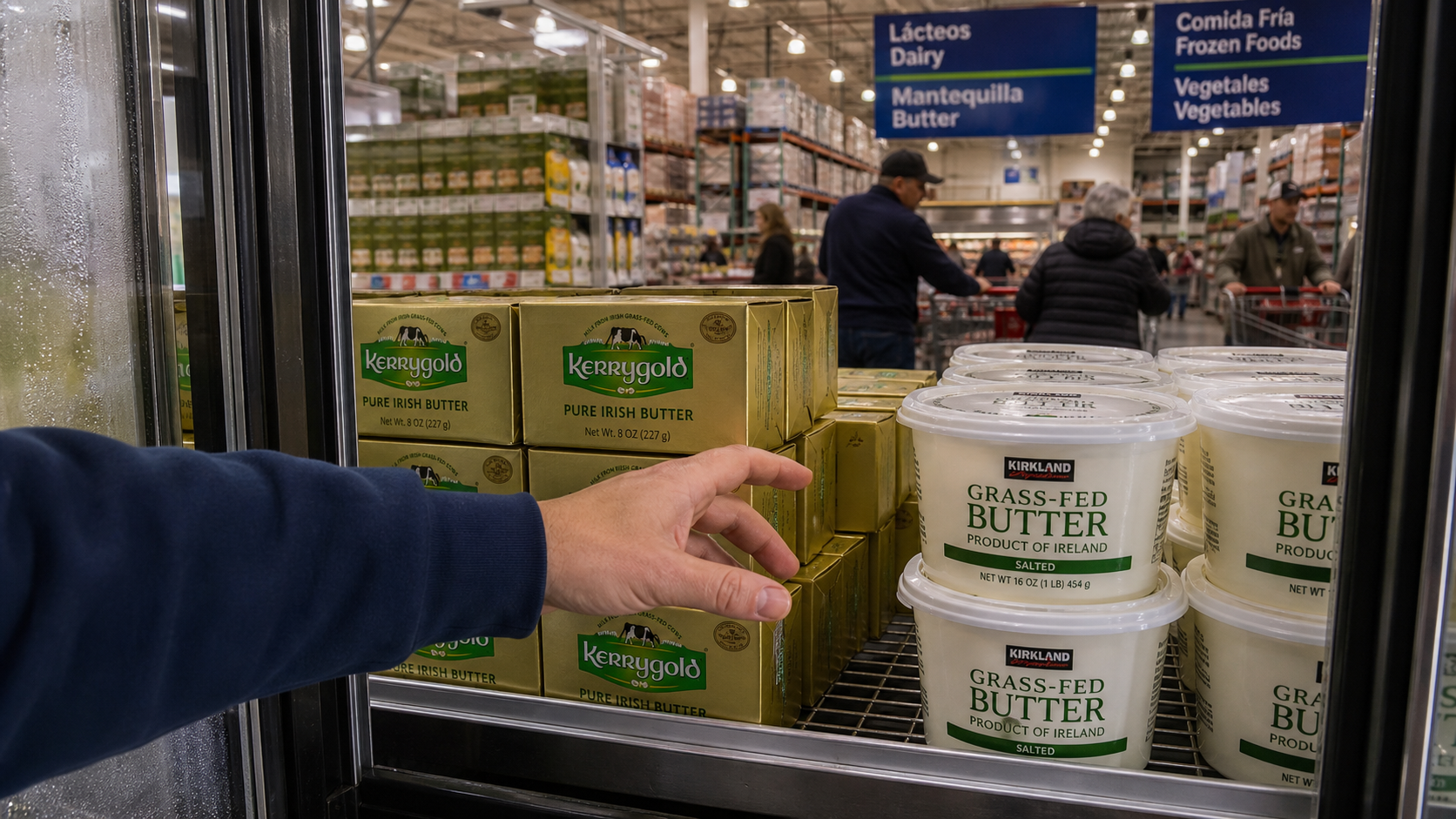
A bitter dispute has erupted at the heart of the Irish dairy industry after Tírlán, one of Ornua's largest suppliers, secured a contract to supply grass-fed butter to Costco's Kirkland Signature private label brand in the United States — creating direct competition for Ornua's Kerrygold, which recently achieved the milestone of $1 billion in annual US retail sales and which has been the cornerstone of Irish dairy's premium positioning in the world's largest consumer market.
Background
Kerrygold is one of the most successful Irish food brands in the world. Launched in 1962 by the Irish Dairy Board — now Ornua — the brand has grown from a modest export product into the second-largest butter brand in the United States, a market where it commands a significant price premium over domestic competitors on the basis of its grass-fed, Irish provenance credentials. The achievement of $1 billion in annual US retail sales is a landmark that reflects decades of investment in brand building, marketing, and quality assurance.
The brand's success has been built on a clear and consistent message: Kerrygold butter is made from the milk of Irish cows that graze on lush Irish pastures for the majority of the year, producing a product with a distinctive flavour and nutritional profile that justifies its premium price. This positioning has resonated strongly with American consumers, who have shown a growing willingness to pay more for food products with clear provenance and quality credentials.
Tírlán, formerly known as Glanbia Ireland, is one of Ireland's largest dairy co-operatives and one of Ornua's principal suppliers of milk and cream. The two organisations have a complex relationship — Tírlán supplies raw materials to Ornua while also competing with it in some markets — but the decision to supply butter directly to Costco's Kirkland Signature brand represents a significant escalation of that competition in the most important market for Irish dairy exports.
Key Developments
The Tírlán-Costco agreement, which emerged in August 2026, will see Tírlán supply grass-fed butter for Costco's Kirkland Signature private label brand. The Kirkland butter is expected to retail at approximately $15 per kilogram — significantly undercutting Kerrygold, which typically sells for around $21 per kilogram. The price differential is substantial enough to attract price-sensitive consumers who might otherwise have purchased Kerrygold, and the Costco distribution network — which reaches tens of millions of American households — gives the Kirkland product enormous reach.
Ornua has responded by defending its premium brand strategy, warning that competing on price in the US retail sector risks undermining the collective investment made in the Kerrygold brand over the past 65 years. Ornua CEO Conor Galvin has emphasised that long-term value for farmers is best secured through premium brand equity rather than price-based competition.
The Irish Creamery Milk Suppliers' Association and the Irish Farmers' Association have both expressed alarm at the development, warning that a price war in the US market could erode the premium positioning of Irish dairy and ultimately reduce returns for the farmers who supply both Ornua and Tírlán. ICMSA President Denis Drennan described the situation as a "fifth-column attack" on the Kerrygold brand, while IFA President Francie Gorman called for "joined-up thinking" between the boards of the two organisations.
Why It Matters
The Kerrygold butter war is not just a commercial dispute between two Irish dairy companies — it is a question about the future of Ireland's most successful food export strategy. The premium positioning of Irish dairy in the US market has been built over decades and has delivered enormous value to Irish farmers and to the broader agri-food sector. If that positioning is undermined by internal competition that drives down prices, the consequences will be felt not just by Ornua and Tírlán but by the thousands of Irish dairy farmers who depend on premium export returns to sustain their businesses.
The dispute also occurs against a backdrop of significant external pressure on Irish dairy exports to the US. The Trump administration's imposition of a 20 per cent tariff on EU goods, including Irish butter, has already cost Ornua tens of millions of euros and has forced the company to implement defensive stockpiling strategies to maintain its market position. The last thing the Irish dairy industry needs at this moment is a self-inflicted price war that further erodes its margins in its most important export market.
Local Impact
For dairy farmers across Ireland — in counties Cork, Kerry, Tipperary, Limerick, and Kilkenny, where the bulk of Ireland's milk production is concentrated — the dispute between Ornua and Tírlán is a source of genuine anxiety. The premium returns that Kerrygold generates in the US market flow back to farmers through the prices paid by Ornua and Tírlán for their milk. If those returns are eroded by a price war, the impact on farm incomes will be direct and significant. The Irish Farmers' Association has called for an emergency meeting of the boards of both organisations to address the dispute, and has indicated it will seek government intervention if the two companies cannot reach a resolution.
What's Next
The Irish government has been asked to weigh in on the dispute, with the Minister for Agriculture Martin Heydon indicating he is monitoring the situation closely. Ornua and Tírlán are expected to engage in direct negotiations in the coming weeks, with both organisations under pressure from farming organisations to find a resolution that protects the premium positioning of Irish dairy in the US market. The outcome of those negotiations will have significant implications for the future of Kerrygold and for the broader strategy of Irish dairy exports. A resolution that preserves the premium brand while finding a way to accommodate Tírlán's commercial ambitions in the US market would be the ideal outcome — but achieving it will require a level of co-operative solidarity that has not always been evident in the Irish dairy sector.