Kemi Badenoch Apologises After Conservative Video Uses Bloody Sunday Footage
The Conservative Party has been forced into a humiliating apology after a social media video, posted on Kemi Badenoch's channels to promote British army service, included footage from Bloody Sunday — the 1972 massacre in which British soldiers shot 26 unarmed civil rights demonstrators in Derry, killing 14. The incident has caused widespread outrage across Northern Ireland and the island of Ireland, reigniting grief for families who have spent decades seeking justice.Background
Bloody Sunday remains one of the most painful and contested events in the history of the Troubles. On 30 January 1972, members of the British Army's 1st Battalion Parachute Regiment opened fire on unarmed civilians taking part in a civil rights march in the Bogside area of Derry. Thirteen people were killed outright; a fourteenth died four months later from his injuries. For decades, the British government maintained that soldiers had fired in self-defence, a position that caused immense and lasting anguish to the victims' families.
It was not until June 2010 that a full reckoning arrived, when Prime Minister David Cameron stood in the House of Commons and delivered an unequivocal apology following the publication of the Saville Inquiry. Cameron described the killings as "unjustified and unjustifiable," acknowledging that the victims were innocent and that the army had acted wrongly. The apology was widely welcomed, though families have continued to pursue criminal accountability for those responsible.
The political context in which this latest incident has occurred is significant. The Labour government is currently advancing a new Northern Ireland Troubles Bill, which would lift a ban on future inquests and civil actions that had been halted by the previous Conservative government's Legacy Act — legislation that was ruled unlawful by the High Court in Belfast in 2024. Badenoch's party has indicated it will vote against the new bill, arguing it would expose elderly veterans to prosecution.
Key Developments
The Conservative Party posted a video on social media — shared on Badenoch's own channels — that featured footage of British soldiers alongside messaging criticising Labour's proposed Troubles legislation. The video was intended to frame the bill as an attack on veterans who served in Northern Ireland. However, the footage included clips from Bloody Sunday, a fact that was not identified before the video was published.
The video remained live for several days before being removed following a wave of condemnation. Colum Eastwood, the SDLP MP for Foyle and a prominent voice for the Derry community, described the video as "disgusting" and "disgraceful," and demanded an immediate apology to the families of Bloody Sunday victims. Eastwood noted the particular cruelty of using such footage in a video that sought to celebrate army service.
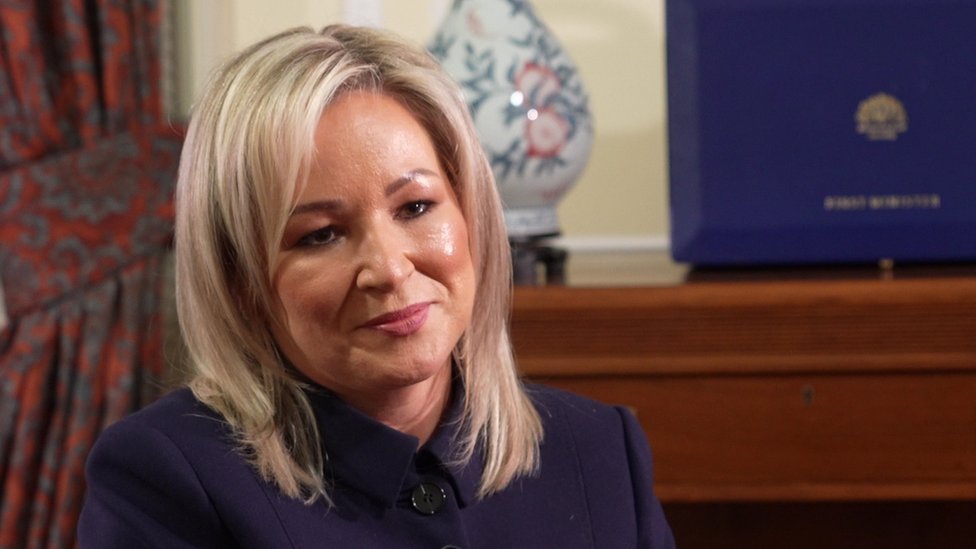
Badenoch subsequently stated that she "did not sign off" on the video, attributing its creation to "very young people" in her team who "did not recognise the footage as being from Bloody Sunday." A Conservative Party spokesman confirmed the material "should not have been used and would not be used again." Badenoch herself issued a personal apology.
Why It Matters
This incident is not simply a communications blunder — it is a window into the persistent difficulty that British political parties have in engaging with the legacy of the Troubles in a manner that is sensitive to those who lived through it. The Conservative Party's handling of Northern Ireland issues has been a recurring source of tension, from the controversies surrounding the Legacy Act to the ongoing debates about the Good Friday Agreement's implementation.
What makes this episode particularly damaging is the context: the video was produced specifically to argue against legislation that would allow victims' families to pursue justice through the courts. Using Bloody Sunday footage in that argument — even inadvertently — sends a message that is deeply at odds with the stated intent. For families who have spent more than fifty years fighting for accountability, the incident is a reminder of how easily their suffering can be instrumentalised.
The timing, just days before major elections across the UK, adds a further dimension. Badenoch is already under pressure over her party's expected poor performance on 7 May, and this episode will do nothing to shore up Conservative support in Northern Ireland or among Irish diaspora communities in Britain. Unlike Scotland, where the Conservatives have maintained a distinct identity, the party's standing in Northern Ireland has been in long-term decline, and incidents such as this accelerate that trajectory.
Local Impact
In Derry and across Northern Ireland, the reaction has been one of deep hurt. The Bloody Sunday families have spent decades in courtrooms, inquiries, and public campaigns to have the truth of what happened acknowledged. For many in the Bogside and across the nationalist community, the Conservative video — whatever its intent — felt like a reopening of wounds that have never fully healed. Politicians from Sinn Féin, the SDLP, and Alliance all condemned the video, reflecting the breadth of feeling across the community. In Belfast, where the legacy of the Troubles remains a live political issue, the incident has reinforced concerns about how seriously Westminster parties engage with Northern Ireland's particular history.
What's Next
The Labour government's Northern Ireland Troubles Bill will proceed through Parliament in the coming weeks, with a vote expected before the summer recess. The Conservatives have confirmed they will oppose it. Badenoch's apology may limit the immediate political damage, but the episode is likely to be raised repeatedly during the election campaign. Families of Bloody Sunday victims are expected to make further statements in the coming days. The PSNI's ongoing investigations into Troubles-era crimes continue in parallel, with several cases involving former soldiers still active in the courts.
Sources: The Guardian | The Irish Times