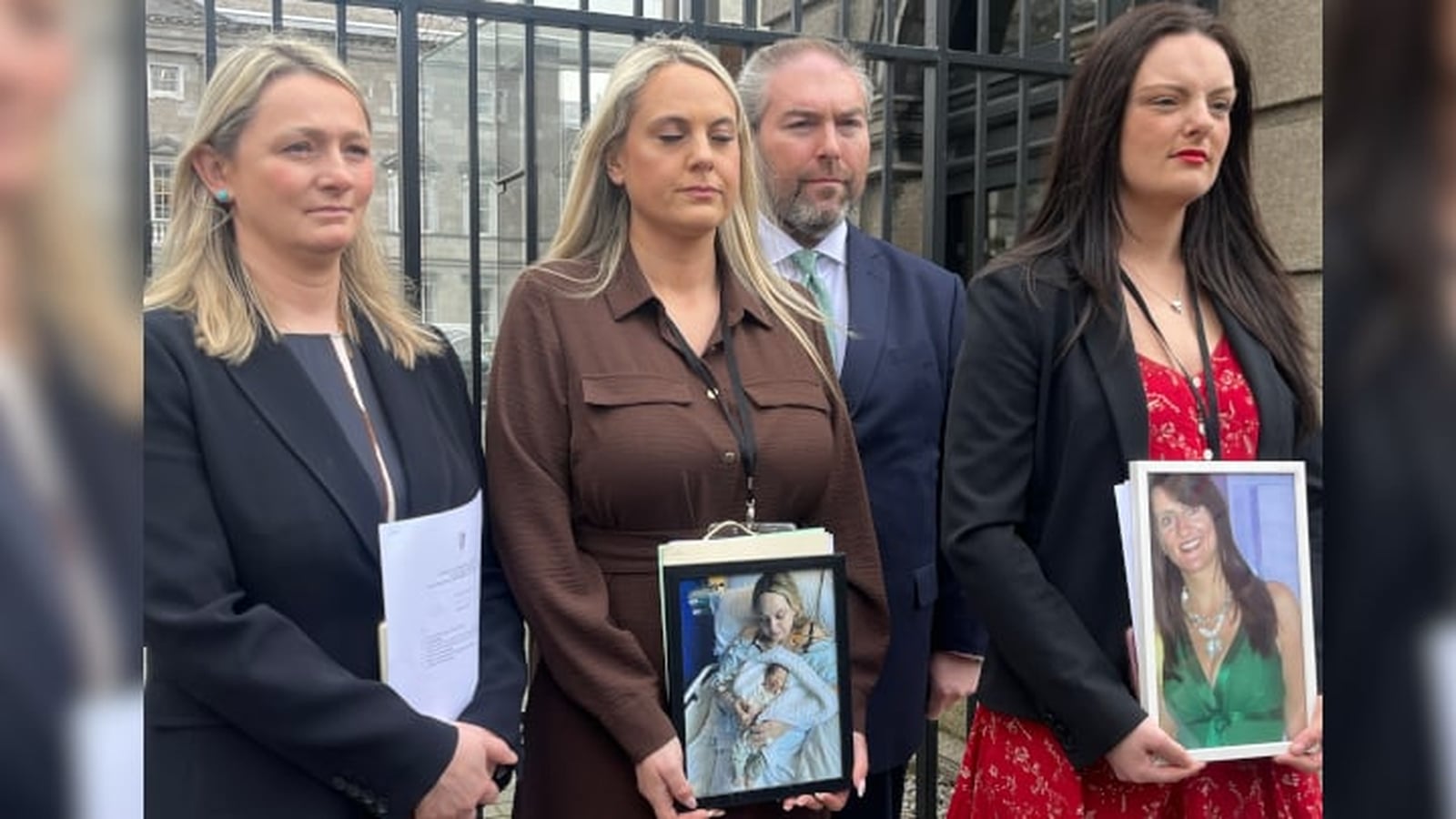
Jax's Law: Cross-Party Support Grows for Bill to Recognise Stillborn Babies as Road Crash Victims
A proposed piece of legislation known as "Jax's Law" is gathering significant cross-party support in Dáil Éireann, with over 32 TDs from Fine Gael, Fianna Fáil, Sinn Féin, Labour, and Independents co-sponsoring a bill that would, for the first time, recognise a stillborn baby lost as a result of dangerous or careless driving as an individual victim of a road traffic collision.
The bill is named for Jax Aylward, a baby boy who was stillborn at 31 weeks' gestation following a three-car collision in January 2024 caused by dangerous driving. His mother, Saoirse Aylward, was informed that under current Irish law, her unborn son was not considered a victim of the crash — a legal reality she described as almost as traumatic as the accident itself.
Background
The case of Jax Aylward exposed a significant gap in Irish road traffic law that has long been a source of anguish for families who have lost pregnancies in collisions caused by dangerous or careless drivers. Under existing legislation, the death of an unborn child in a road traffic accident cannot be prosecuted as a separate offence — meaning that drivers responsible for such tragedies face no additional legal consequences for the loss of the pregnancy beyond those relating to injury to the mother.
Saoirse Aylward was 31 weeks pregnant when she was involved in a serious collision in Kilkenny in January 2024. The driver responsible, Yurii Dudek, was sentenced to six months in prison for careless driving causing serious bodily harm. However, the Director of Public Prosecutions stated there was no existing law under which he could be charged for the death of Jax, who was stillborn after an emergency caesarean section. Ms Aylward described the legal gap as devastating: "Jax was a four-pound baby, I had to have a post-mortem. I had to bury him and my 11-year-old daughter visits him at a graveside, but yet the law says that he doesn't exist."
Her campaign to change the law has resonated deeply across Ireland, attracting support from politicians of all parties and from advocacy groups working with bereaved families. The breadth of cross-party support — over 32 co-sponsors — is a testament to the moral clarity of the case she has made.
Key Developments
The proposed legislation would amend road traffic law to formally recognise the loss of a pregnancy as a prosecutable offence in cases of careless or dangerous driving. It uses the existing legal definition of a stillborn child from the Civil Registration Act 2024, applying to pregnancies of at least 23 weeks' gestation or where the unborn child weighs at least 400 grams. Under the bill, dangerous driving leading to pregnancy loss could carry penalties of up to 10 years' imprisonment or a fine of up to €20,000. For careless driving, penalties could include up to two years in jail or a fine of up to €10,000.
The bill explicitly clarifies that it does not intend to confer legal personhood on an unborn child, nor would it lead to murder charges for drivers or prosecution of a woman for the loss of her own pregnancy in a collision. Fine Gael TDs Barry Ward and Emer Currie brought forward the bill, with Minister for Road Transport Seán Canney agreeing to support it in principle, and Minister for Justice Jim O'Callaghan acknowledging the "gap" in legislation and stating it will require "further consideration."
Why It Matters
The bill addresses a significant gap in Irish law that has left families who have lost pregnancies in road traffic collisions without legal recognition of their loss. It has been welcomed by campaigners as a compassionate and carefully drafted piece of legislation that balances the need for justice with the complex legal questions around the status of unborn children. The cross-party support it has attracted suggests that the political will exists to pass the bill, and the government's broadly sympathetic response indicates that it may reach the statute book in the coming months.
Beyond the specific legal change, Jax's Law represents something important about how societies choose to recognise grief and loss. For families who have experienced the devastating loss of a pregnancy in a road collision caused by another's recklessness, the absence of legal recognition has compounded their trauma. This bill seeks to remedy that injustice.
Local Impact
While Jax's Law is a Republic of Ireland legislative initiative, it has resonance across the island. In Northern Ireland, road traffic law is a devolved matter, and there is currently no equivalent provision in Northern Irish legislation. Campaigners in the North have pointed to the Jax's Law debate as an example of the kind of reform that could and should be considered by the Northern Ireland Assembly. The issue of legal recognition for pregnancy loss in road collisions is not unique to Ireland — similar campaigns have been pursued in the UK and elsewhere — and the progress of Jax's Law through the Dáil will be watched closely by advocates on both sides of the border who believe that the law should reflect the full human cost of dangerous driving.
What's Next
The bill is expected to be debated in the Dáil in the coming weeks, with government support likely to be confirmed in due course. Full details are available from RTÉ and The Irish Times.