Jack Charlton's Family Faces £200,000 Tax Bill to Keep 1966 World Cup Medal as Son Speaks Out
The family of the late Jack Charlton — the Englishman who became one of the most beloved figures in the history of the Republic of Ireland's football team — has revealed that they faced a £200,000 inheritance tax bill to keep his 1966 World Cup winner's medal, forcing his son John to transfer the historic item back to his mother Pat to avoid the charge in a case that has reignited debate about the fairness of inheritance tax rules and the preservation of sporting heritage.
Background
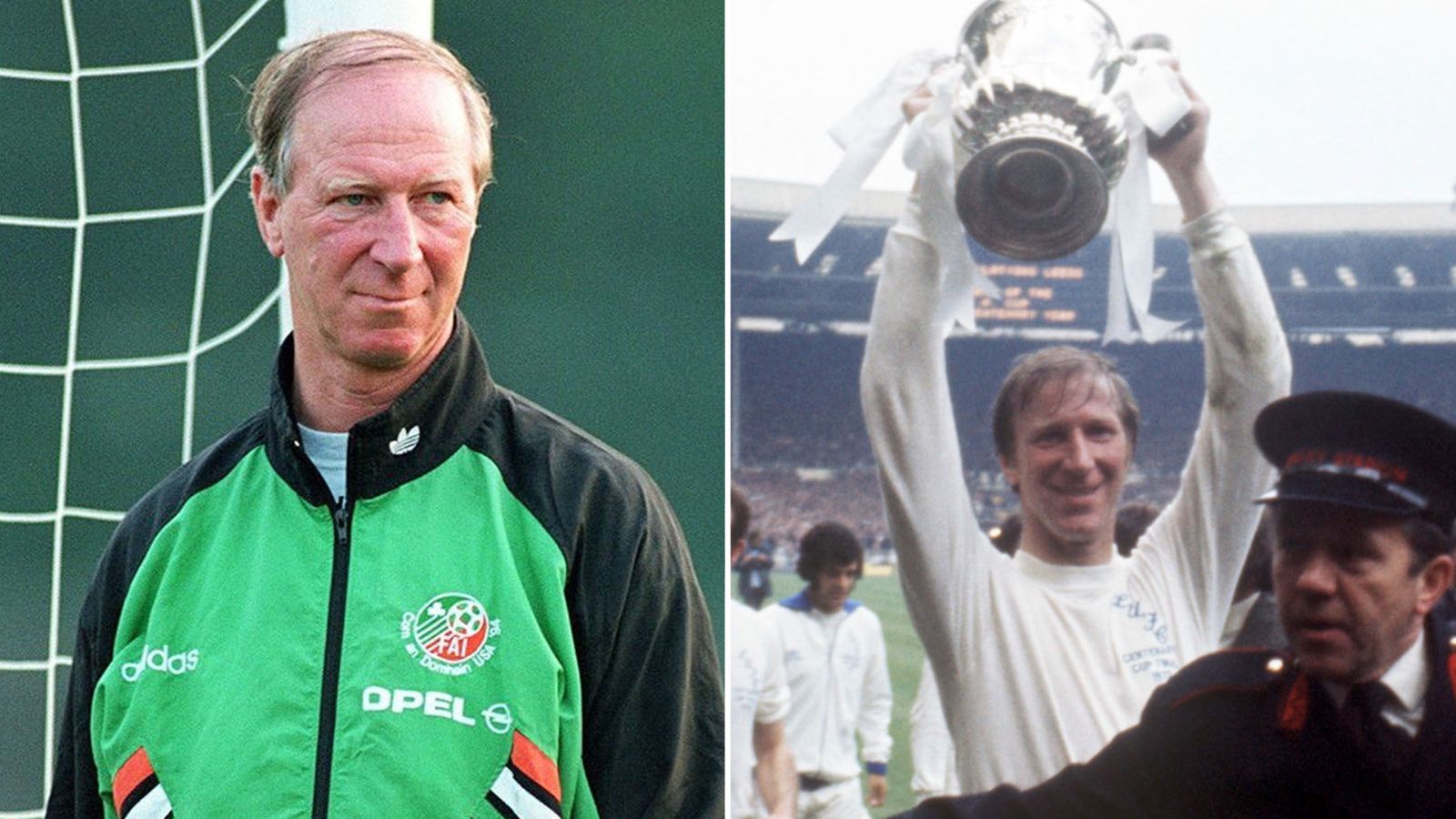
Jack Charlton managed the Republic of Ireland national football team from 1986 to 1995, a period that transformed Irish football and captured the imagination of the entire country. Under his management, Ireland qualified for their first-ever FIFA World Cup in 1990, reaching the quarter-finals in Italy in a campaign that generated scenes of national celebration that older Irish supporters still recall with profound emotion. The team qualified again for the 1994 World Cup in the United States, reaching the round of sixteen. Charlton's impact on Irish football — and on Irish national identity — was immeasurable, and his death in July 2020 at the age of 85 was mourned across the island of Ireland with a depth of feeling that surprised even those who had followed his career closely.
Before his management career in Ireland, Charlton had been a key member of the England squad that won the 1966 FIFA World Cup at Wembley, one of the most celebrated moments in the history of the game. His World Cup winner's medal — along with his England shirt and a tournament cap — has been kept by the family since his death, a tangible connection to a moment of sporting history that the Charltons regard as a family treasure rather than a commercial asset.
Inheritance tax in the United Kingdom is levied at 40% on estates exceeding the standard tax-free threshold of £325,000. The valuation of sporting memorabilia for inheritance tax purposes is a complex area, and the assessment of Jack Charlton's 1966 World Cup medal at a value that generated a £200,000 tax liability reflects the extraordinary prices that such items have achieved at auction in recent years.
Key Developments
John Charlton, Jack's son, revealed in media interviews in late July and early August that he had been left his father's World Cup medal in the will but faced a £200,000 inheritance tax bill to formally take possession of it. Rather than sell the medal — a step the family has firmly ruled out — John transferred it back to his mother, Pat, taking advantage of the exemption from inheritance tax that applies to transfers between spouses.
"We have no intention of selling it," John Charlton said. "It belongs to the family, and it will stay with the family. But the situation we found ourselves in — where we had to choose between paying a huge tax bill or giving up the medal — is deeply unfair. My father was a national hero in two countries, and his family shouldn't be penalised for wanting to keep a piece of his legacy."
John Charlton noted that Jack and his brother, the late Sir Bobby Charlton, were among the few members of the 1966 England squad to have retained their medals, with many other players having sold theirs over the years. The family's determination to keep the medal in their possession is a reflection of the value they place on Jack's legacy and their desire to preserve it for future generations.
Why It Matters
The Charlton family's predicament resonates particularly strongly in Ireland, where Jack Charlton occupies a unique place in the national sporting consciousness. For a generation of Irish football supporters, Charlton was not merely a successful manager but a transformative figure who gave the country a sense of footballing identity and international belonging that it had never previously experienced. The idea that his family should face a punishing tax bill to keep a memento of his career — not a commercial asset but a piece of family history — strikes many as deeply unjust. The case also raises broader questions about how inheritance tax rules interact with sporting heritage. There is a strong argument that items of significant national or sporting historical importance should be treated differently from purely financial assets, with mechanisms available to allow families to retain them without facing prohibitive tax liabilities. Several countries have developed such mechanisms, and the Charlton case may provide fresh impetus for a similar debate in the United Kingdom and Ireland.
Local Impact
In Ireland, where Jack Charlton is remembered with particular affection, the story of his family's tax predicament has generated widespread sympathy and considerable media coverage. The Football Association of Ireland has expressed its support for the Charlton family and indicated that it would be willing to engage with any initiative aimed at preserving Jack's legacy in Ireland. Several Irish politicians have called for a review of inheritance tax rules as they apply to items of sporting and cultural heritage, though no specific legislative proposals have yet been tabled. The Charlton family has indicated that they are open to discussions about how Jack's legacy might be commemorated in Ireland, including the possibility of a permanent exhibition of his memorabilia at a suitable venue.
What's Next
The Charlton family has indicated that the medal will remain with Pat Charlton for the foreseeable future. John Charlton has said he hopes the case will prompt a broader public debate about inheritance tax rules and their impact on families seeking to preserve items of sporting and cultural heritage. Several MPs and TDs have indicated they will raise the matter in their respective parliaments. The Football Association of Ireland is expected to make a formal statement about Jack Charlton's legacy in the coming weeks, ahead of the anniversary of his death in July.