Irish Wheelchair Users Locked Out of Dental Care as WHO Launches New Accessibility Policy in Dublin
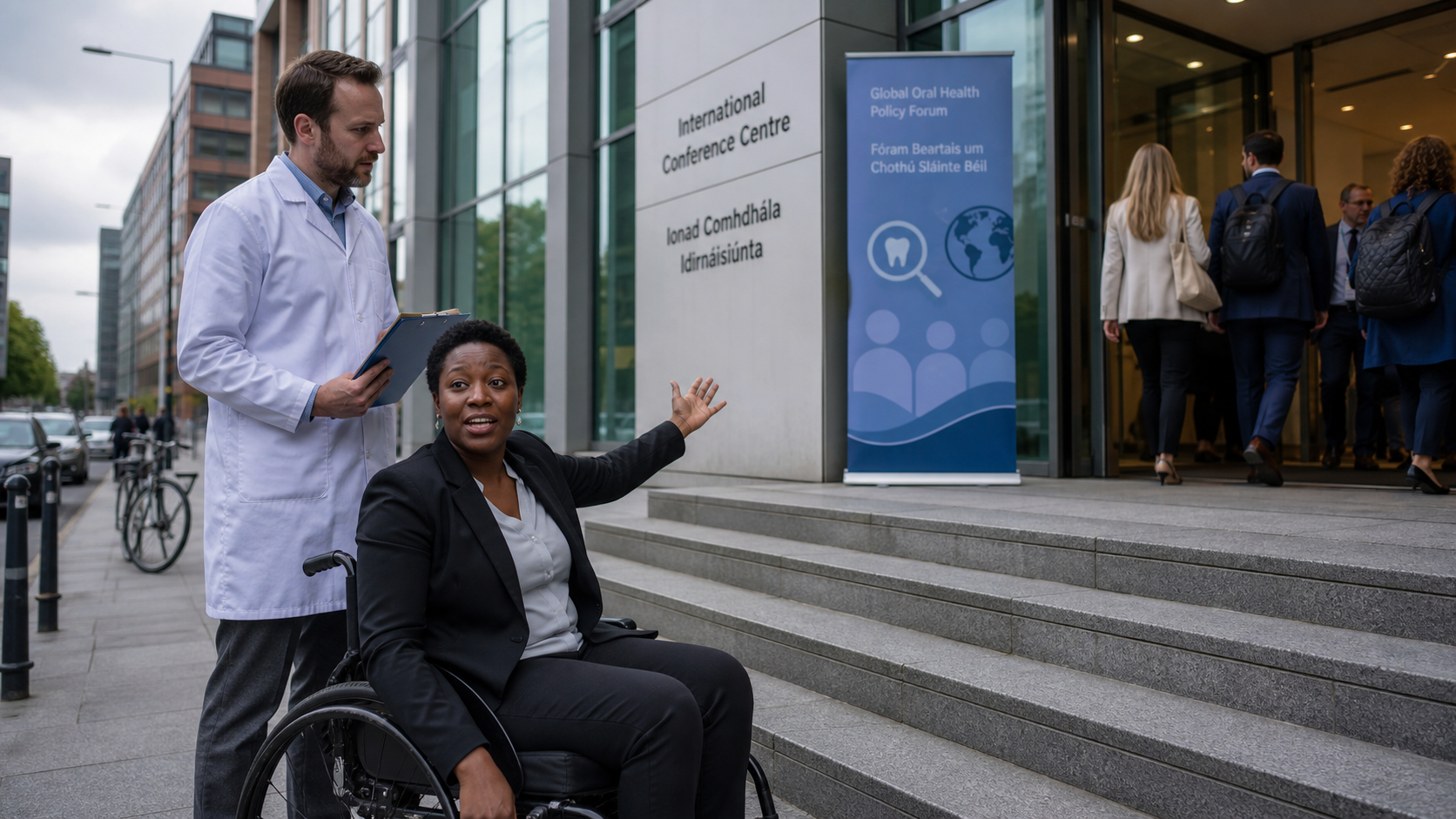
Irish disability advocate and wheelchair user Carolyn Akintola has highlighted the systemic lack of physical accessibility in Irish dental surgeries at the launch of a new World Health Organization oral health policy in Dublin, warning that people with disabilities face "unfair, unjust and largely unnecessary" barriers to dental care — with many surgeries located in converted houses that lack lifts, ramps, or any meaningful accommodation for wheelchair users.
Background
Access to dental care is a fundamental component of overall health, yet for the estimated 643,000 people in Ireland living with a disability, accessing that care can be an exercise in frustration, humiliation, and exclusion. The physical infrastructure of Irish dental services has developed largely without reference to the needs of people with mobility impairments, with a significant proportion of dental practices operating from premises that were never designed to accommodate wheelchair users or people with other physical disabilities.
The problem is not unique to Ireland, but it is particularly acute in a country where the dental care system has historically been fragmented, under-resourced, and poorly regulated. The public dental service, which is supposed to provide care for medical card holders and children, has been chronically underfunded, leaving many people dependent on private practices that have no obligation to meet accessibility standards beyond the minimum required by planning law.
The WHO's new oral health policy, which was launched at the Dublin Dental University Hospital as part of the International Association for Disability and Oral Health conference, identifies inaccessible facilities, social stigma, and a lack of appropriate staff training as the primary barriers to dental care for people with disabilities. The policy advocates for disability equality to be integrated into the core of health sector actions — a principle that sounds straightforward but has proven difficult to implement in practice.
Key Developments
Carolyn Akintola, speaking at the Dublin launch event, shared personal experiences of arriving at dental appointments only to find that the facilities were not wheelchair-accessible. In many cases, the surgeries were housed in former residential buildings that lacked the necessary infrastructure — lifts, ramps, accessible toilets — to accommodate a wheelchair user. While she noted that some newer dental chains are more likely to be accessible, she emphasised that it is not uncommon for patients to be unable to physically enter or navigate a surgery.
Three Irish experts contributed to the WHO policy brief, including Professor Finbarr Allen from University College Cork, whose involvement reflects the depth of expertise that exists in Ireland on the intersection of disability and oral health. The policy brief draws on evidence from across the world to make the case for a more inclusive approach to dental care provision.
The launch event coincided with the publication of new data showing that people with disabilities in Ireland are significantly less likely to access dental care than the general population, with cost, physical accessibility, and the availability of appropriately trained staff all identified as significant barriers. The data suggests that the oral health of people with disabilities is substantially worse than that of the general population, a disparity that has significant implications for overall health and quality of life.
Why It Matters
The barriers to dental care faced by people with disabilities are not inevitable — they are the result of choices made by policymakers, planners, and service providers that have consistently failed to prioritise accessibility. The WHO's new policy provides a framework for addressing these barriers, but its implementation will require sustained political will and investment.
Ireland has legal obligations under the UN Convention on the Rights of Persons with Disabilities, which it ratified in 2018, to ensure that people with disabilities have equal access to health services. The evidence presented at the Dublin launch event suggests that Ireland is falling significantly short of these obligations in the area of dental care, a finding that should prompt urgent action from the Department of Health and the HSE.
The cost dimension of the problem is also significant. People with disabilities who cannot access mainstream dental services are often forced to seek care in specialist settings, which are more expensive and less widely available. The failure to make mainstream dental services accessible therefore has both equity and efficiency implications for the health system.
Local Impact
Across Ireland, people with disabilities and their families are navigating a dental care system that was not designed with their needs in mind. In Dublin, Cork, Galway, and other urban centres, the concentration of dental practices in older buildings means that accessibility is often poor even in areas with a high density of services. In rural areas, where the choice of dental practices is more limited, the problem is even more acute.
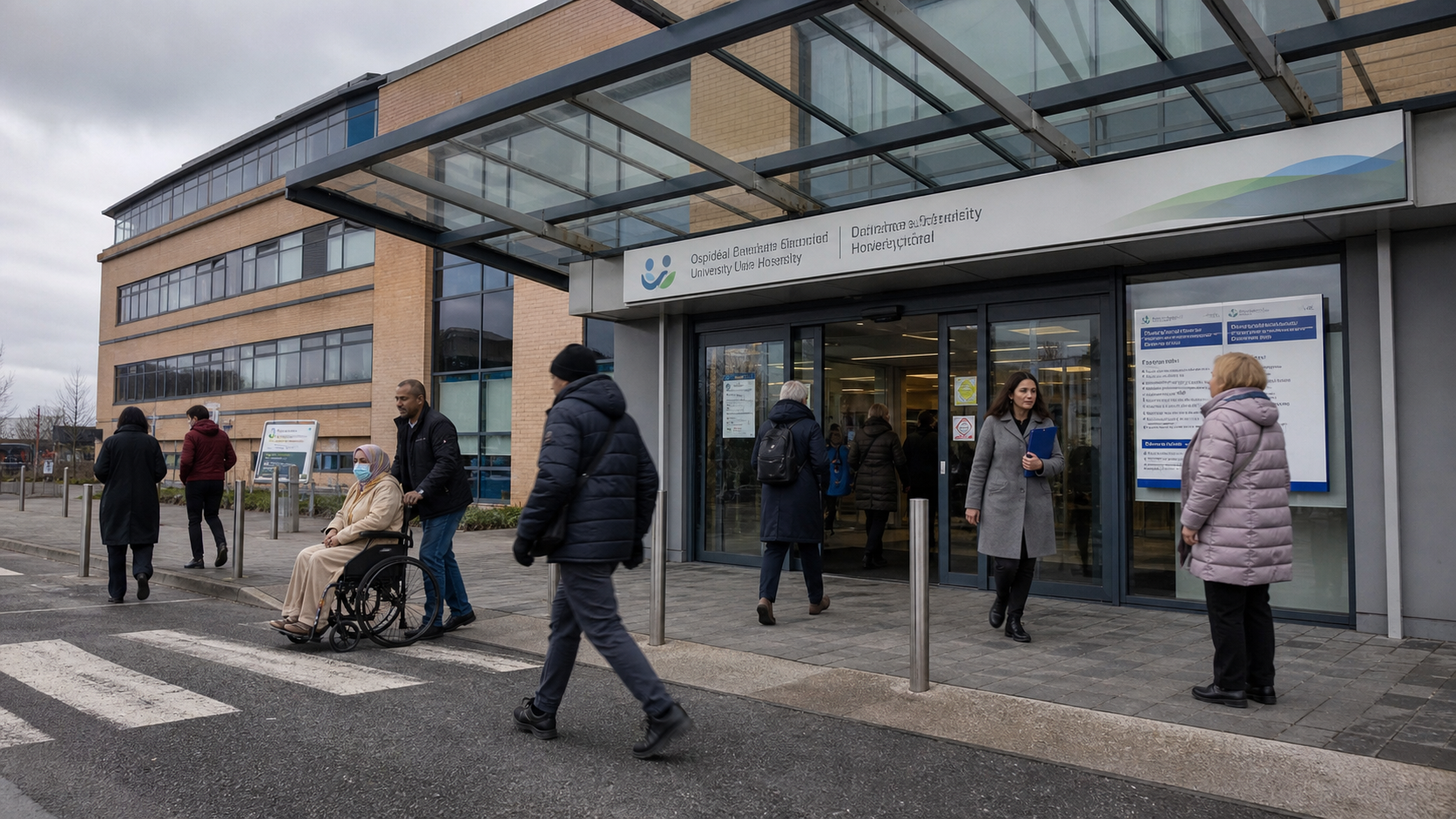
The Dublin Dental University Hospital, which hosted the WHO launch event, is one of the few dental facilities in Ireland that has made a systematic effort to improve accessibility for patients with disabilities. The hospital's experience demonstrates that accessibility improvements are achievable and that they make a real difference to the experience of patients with disabilities.
What's Next
The WHO policy brief will be distributed to health ministries and dental professional bodies across the world, including in Ireland. The Department of Health is expected to respond to the policy's recommendations in the coming months, and disability advocacy groups have indicated they will use the policy as a basis for renewed engagement with the Government on dental accessibility. A review of the planning regulations governing dental practice premises is also expected to be considered, with a view to strengthening accessibility requirements for new and refurbished facilities.