Irish Visitors to the United States Fall by Nearly 25% as Trump Slump Dampens Transatlantic Travel
The number of Irish visitors to the United States fell by 24.7% in April 2026 compared to the same month in the previous year, according to data from the US National Travel and Tourism Office reported by the Irish Independent on July 15. The sharp decline, which travel industry observers have described as a "Trump slump," is attributed to a combination of the strong US dollar making travel more expensive, a "wait and see" approach adopted by many potential visitors in response to the uncertain geopolitical and domestic political climate in the United States, and specific concerns about immigration enforcement that have made some Irish travellers reluctant to visit.
Background
The relationship between Ireland and the United States is one of the most significant bilateral relationships in Irish foreign policy, shaped by the deep historical ties of emigration, the large Irish-American community, and the extensive economic connections between the two countries. Millions of Irish people have emigrated to the United States over the past two centuries, and the Irish-American community — estimated at more than 30 million people — is one of the most influential ethnic communities in American political and cultural life.
Travel between Ireland and the United States has historically been one of the busiest transatlantic routes, with a large volume of both leisure and business travel in both directions. Irish tourists visiting the United States typically spend significant amounts on accommodation, food, entertainment, and shopping, making them valuable visitors for the US tourism industry. Similarly, Irish-American visitors to Ireland are among the most important segments of the Irish tourism market.
The political climate in the United States under the Trump administration has created a more uncertain environment for international visitors, with concerns about immigration enforcement, social media vetting, and the general atmosphere of the country affecting the travel decisions of some potential visitors. These concerns have been particularly acute for Irish travellers who have undocumented family members in the United States, who may be reluctant to visit for fear of drawing attention to their relatives' immigration status.
Key Developments
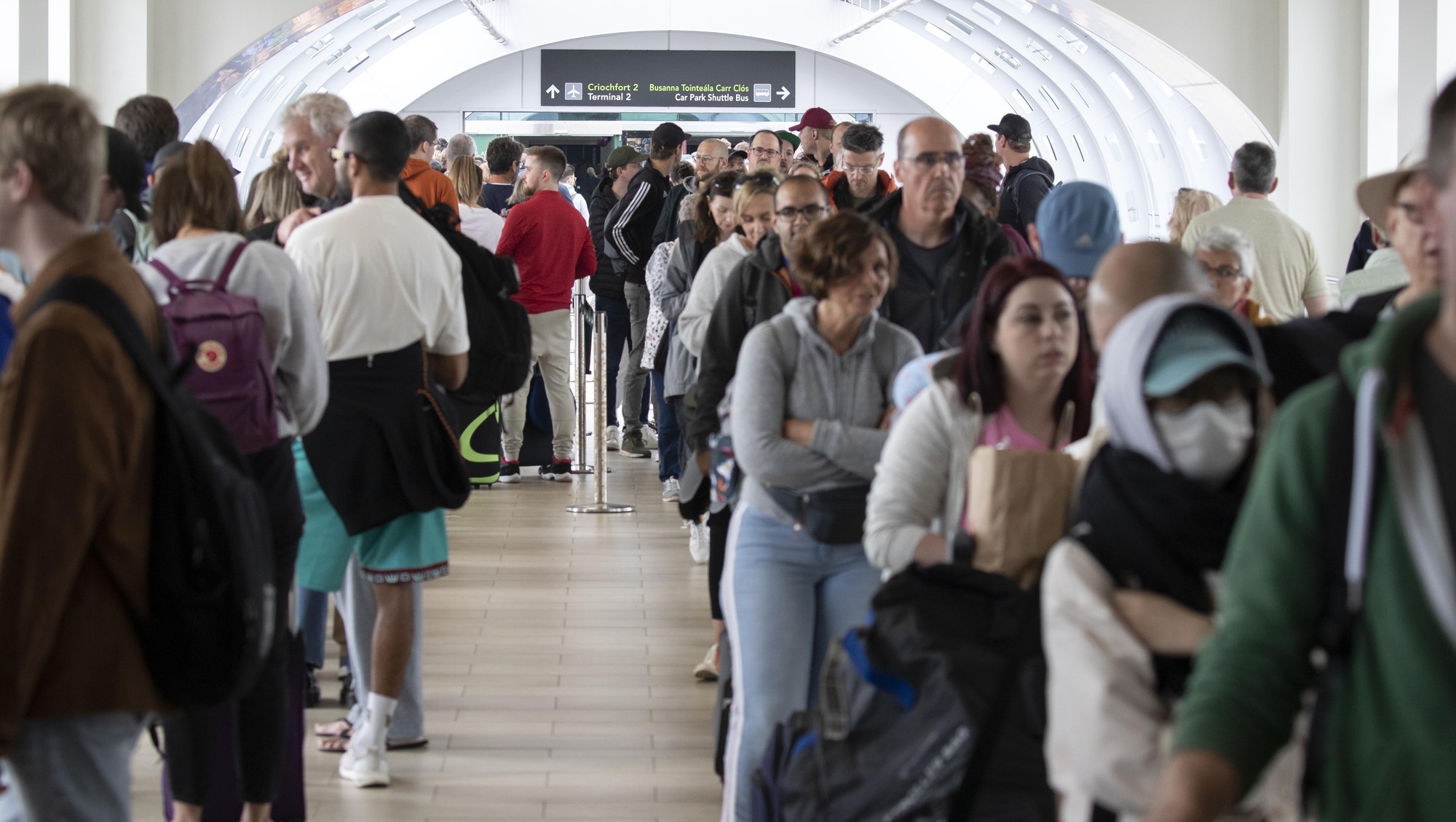
The Irish Independent reported on July 15 that data from the US National Travel and Tourism Office showed a 24.7% decline in Irish visitors to the United States in April 2026 compared to April 2025. This is a significant drop that reflects a broader trend of reduced transatlantic travel from Ireland, and it has prompted concern from both the Irish tourism industry and the US tourism authorities.
In response to the decline, a US tourism envoy recently launched what the Irish Independent described as a "charm offensive" in Ireland, seeking to reassure potential visitors that there is no formal policy of vetting visitors' social media accounts and that the vast majority of trips to the United States are "seamless." The envoy's visit reflects the US tourism industry's awareness of the impact that the political climate is having on visitor numbers and its desire to counter the negative perceptions that are deterring some Irish travellers.
Despite these assurances, a "great holiday debate" is reportedly taking place among Irish families, weighing the appeal of visiting the United States — particularly during its 250th anniversary year — against concerns about the immigration crackdown and the social climate. The Irish Travel Agents Association has reported that demand for certain types of package holidays to the United States remains steady, but the overall trend reflects a cautiousness that has contributed to the decline in visitor numbers.
Why It Matters
The decline in Irish visitors to the United States matters because it reflects a broader shift in the relationship between Ireland and America that goes beyond tourism statistics. The deep historical and cultural ties between the two countries have always been expressed partly through the movement of people — Irish people visiting family and friends in America, Irish-Americans returning to their ancestral homeland — and a significant reduction in that movement is a symptom of a more troubled relationship.
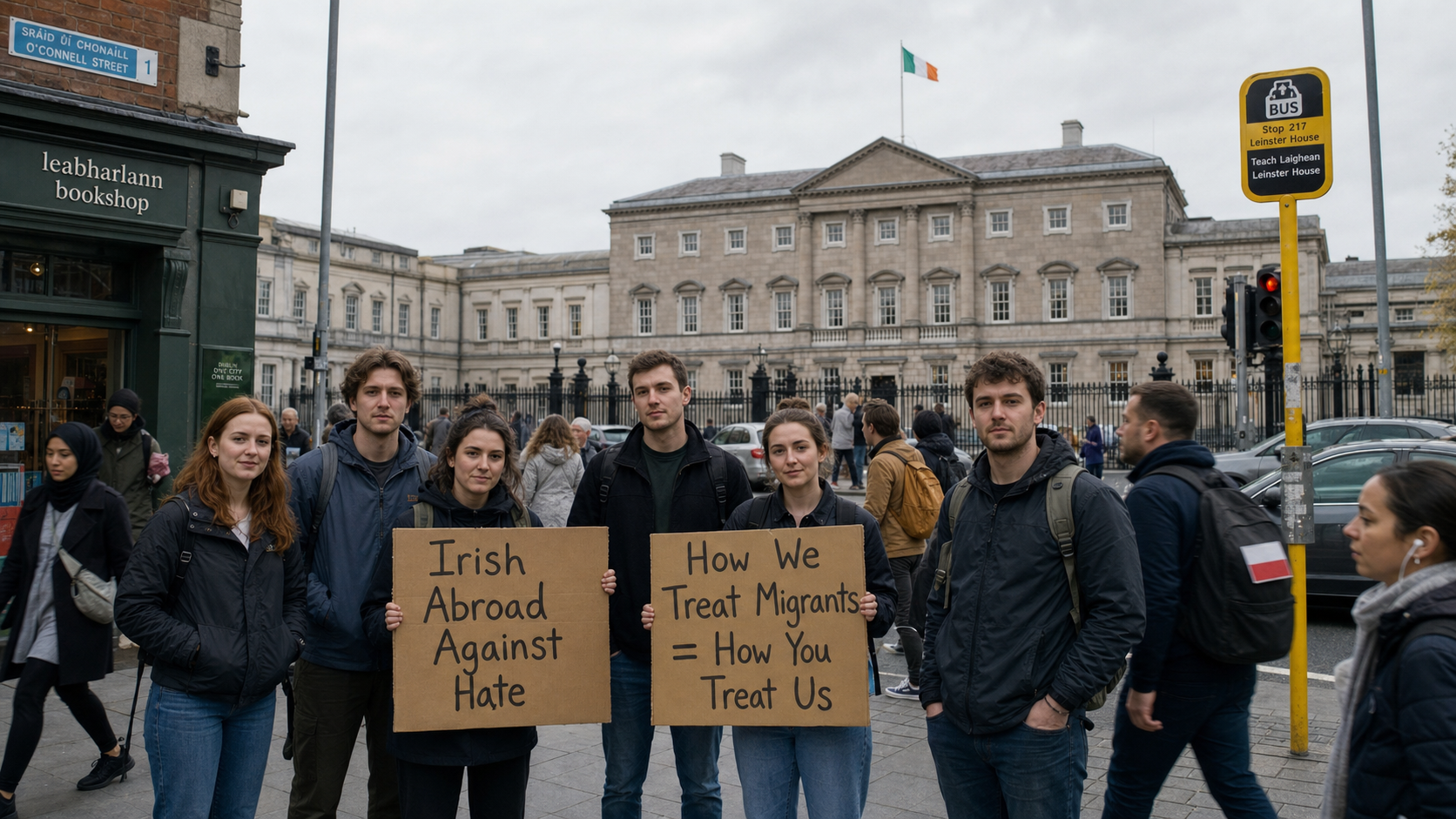
The concerns about immigration enforcement that are deterring some Irish travellers are particularly significant. The Irish community in the United States includes a significant number of undocumented individuals — estimates suggest that there are between 50,000 and 100,000 undocumented Irish people in the US — and the intensification of immigration enforcement under the Trump administration has created a climate of fear and uncertainty that affects not just the undocumented themselves but their families and friends in Ireland.
The economic impact of the decline in Irish visitors is also significant. Irish tourists are among the highest-spending visitors to the United States, and a 24.7% decline in visitor numbers represents a meaningful reduction in the revenue that Irish tourists contribute to the US economy. The US tourism industry's response — the charm offensive by the tourism envoy — reflects an awareness of this economic impact and a desire to reverse the trend.
Local Impact
In Ireland, the decline in US travel has been felt by travel agents, airlines, and other businesses that depend on the transatlantic market. Aer Lingus, which operates a significant number of transatlantic routes from Dublin, Cork, and Shannon, has been monitoring the trend closely, and the airline's load factors on US routes will be an important indicator of whether the decline is temporary or more sustained.
For Irish families with relatives in the United States, the decision about whether to visit has become more complicated than it was in previous years. The combination of the strong dollar, the cost of transatlantic travel, and the concerns about the political climate in the US has made the decision to visit more difficult, and many families are choosing to delay or cancel planned trips.
The Irish community in the United States, which has been experiencing a heightened sense of vulnerability due to immigration enforcement, has also been affected by the decline in visitors from Ireland. The visits of family and friends from home are an important source of connection and support for the Irish community in America, and the reduction in those visits adds to the sense of isolation that some community members are experiencing.
What's Next
The US tourism envoy's charm offensive in Ireland is expected to continue, with further engagement with Irish travel agents, media, and potential visitors to counter the negative perceptions that are deterring travel. The effectiveness of this campaign will be measured in the visitor statistics for the coming months, and the US tourism industry will be watching closely to see whether the decline in Irish visitors can be reversed.
The Irish government's engagement with the United States on the issue of undocumented Irish nationals will also be an important factor in the coming months. Minister of State for the Diaspora Neale Richmond has been active in raising the issue with US counterparts, and the outcome of those discussions will affect the climate of fear and uncertainty that is deterring some Irish travellers.
The broader trajectory of US politics and the evolution of the Trump administration's immigration and social policies will be the most significant determinant of whether Irish visitor numbers recover in the second half of 2026. If the political climate in the United States becomes less uncertain, and if the concerns about immigration enforcement are addressed, the deep historical and cultural ties between Ireland and America are likely to reassert themselves and visitor numbers are likely to recover.