Irish Missionary Groups Reached 1.13 Million People Across 40 Countries in 2025 Despite Funding Pressures
Irish missionary organisations provided vital support to 1.13 million people across 40 countries in 2025, demonstrating the continued global reach and humanitarian impact of the Irish abroad in the international development sector. According to a report from Misean Cara, the faith-based development organisation, released on July 14, a total of 51 Irish missionary groups implemented 344 projects spanning healthcare, education, human rights, and emergency relief, supported by €13.5 million in funding with Irish Aid as a primary contributor. The report highlights the resilience and effectiveness of these groups in continuing their work despite a difficult global environment for international aid funding.
Background
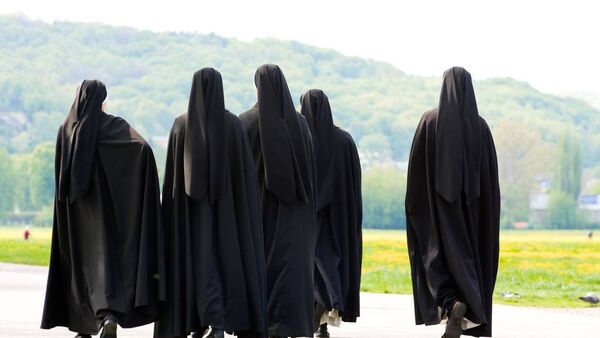
Ireland has a long and distinguished tradition of missionary engagement with the developing world, rooted in the activities of religious orders and congregations that have been working in Africa, Asia, Latin America, and elsewhere for more than a century. This tradition, which began with the work of orders such as the Spiritans, the Columban Fathers, the Missionary Sisters of Our Lady of the Holy Rosary, and many others, has evolved significantly over the decades, with a growing emphasis on development, human rights, and community empowerment alongside the traditional focus on evangelisation.
Misean Cara, which was established in 2006 as the successor to the Catholic Bishops' Conference's development agency, is the primary organisation through which Irish Aid channels funding to Irish missionary groups working in the developing world. The organisation works with a network of 51 member organisations, providing funding, capacity building, and coordination support to groups working across a wide range of development sectors.
The global environment for international aid funding has become increasingly challenging in recent years, with many donor governments reducing their overseas development assistance budgets in response to domestic fiscal pressures. Ireland has maintained its commitment to overseas development aid, but the competition for funding has intensified, and many Irish missionary groups have had to work harder to secure the resources they need to continue their programmes.
Key Developments
RTÉ reported on July 14 that Misean Cara's annual report for 2025 showed that Irish missionary groups had reached 1.13 million people across 40 countries through 344 projects. This figure represents a significant humanitarian contribution, delivered by organisations that combine deep local knowledge, long-term community relationships, and a commitment to the most vulnerable populations with the professional development expertise that effective programming requires.
The 344 projects funded through Misean Cara covered a wide range of development sectors, including healthcare, education, human rights, and emergency relief. Healthcare projects included the provision of primary health services, maternal and child health programmes, and support for people living with HIV/AIDS. Education projects ranged from primary school construction and teacher training to vocational education and adult literacy programmes. Human rights projects included legal aid, advocacy, and support for survivors of gender-based violence.
The €13.5 million in funding that supported these projects came primarily from Irish Aid, the government's overseas development programme, with additional contributions from private donors and other sources. The leverage that this funding achieves — reaching 1.13 million people with €13.5 million — reflects the efficiency and effectiveness of the missionary groups' programming, which benefits from decades of experience and deep community relationships that would be impossible to replicate through more recently established organisations.
Why It Matters
The work of Irish missionary groups matters because it represents a significant and often overlooked dimension of Ireland's contribution to the developing world. While Ireland's overseas development aid programme is well known, the contribution of the missionary sector — which operates alongside and often in partnership with the official aid programme — is less widely recognised.
The 1.13 million people reached by Irish missionary groups in 2025 are among the most vulnerable populations in the world, living in communities that are often beyond the reach of government services and mainstream development organisations. The missionary groups' willingness to work in these difficult and sometimes dangerous environments, sustained by a commitment that goes beyond professional obligation, is one of the most distinctive features of the Irish development tradition.
The report also matters because it provides evidence of the continued relevance and effectiveness of faith-based development organisations in the 21st century. There has been debate in development circles about the role of faith-based organisations, with some critics questioning whether their religious identity creates tensions with the principles of secular development practice. The Misean Cara report provides evidence that Irish missionary groups are delivering effective, rights-based development programming that meets the highest professional standards.
Local Impact
In Ireland, the work of missionary groups is supported by a network of fundraising, advocacy, and awareness-raising activities that connect Irish communities with the development work being done in their name overseas. Many Irish parishes, schools, and community organisations have long-standing relationships with specific missionary groups, providing financial support and maintaining a sense of connection with the communities being served.
The missionary tradition has also shaped Ireland's broader engagement with international development, contributing to the strong public support for overseas aid that has been a consistent feature of Irish public opinion. The personal connections that many Irish families have with missionaries working overseas — through relatives, friends, or community members who have served in the missionary sector — have helped to maintain this support even in periods of economic difficulty.
For the 51 member organisations of Misean Cara, the annual report provides an opportunity to demonstrate the impact of their work and to make the case for continued funding from Irish Aid and private donors. The report's findings will be used in advocacy with the government and with the public to maintain and increase support for the missionary development sector.
What's Next
Misean Cara will continue its work of supporting Irish missionary groups in 2026, with a focus on strengthening the capacity of member organisations to deliver effective programming and to demonstrate their impact to donors and the public. The organisation is also working to develop new partnerships with other development actors, including Irish civil society organisations and the private sector, to expand the resources available for missionary development work.
The government's overseas development aid budget for 2026 will be a key determinant of the resources available to Misean Cara and its member organisations. Ireland has committed to increasing its overseas development aid to 0.7% of gross national income, a target that has been endorsed by successive governments but has not yet been achieved. Progress towards this target will be important for the sustainability of the missionary development sector.
The 40 countries in which Irish missionary groups are working face a range of development challenges, from the ongoing humanitarian crises in sub-Saharan Africa to the development needs of communities in Asia and Latin America. The missionary groups' long-term presence in these countries, and their deep relationships with local communities, position them well to respond to these challenges in a way that is both effective and sustainable.