Irish Patients Waiting Up to 13.5 Years for Community Healthcare as 298,000 Languish on Therapy Lists
New data published in July 2026 has revealed the extraordinary length of waiting lists for community healthcare services in the Republic of Ireland, with some patients waiting up to 13 and a half years for an appointment with a therapist or specialist — a figure that has shocked health professionals and politicians alike and that has prompted renewed calls for urgent investment in community care services that have been chronically underfunded for decades.
Background
Community healthcare services — which include audiology, dietetics, occupational therapy, physiotherapy, speech and language therapy, and a range of other allied health disciplines — are the first line of response for many of the most common health conditions affecting the Irish population. They are also, in theory, the most cost-effective way of managing these conditions, as early intervention in the community can prevent the need for more expensive and disruptive acute hospital care. In practice, however, community healthcare services in Ireland have been chronically underfunded and understaffed, with the result that waiting lists have grown to lengths that are, by any reasonable measure, unacceptable.
The HSE's community healthcare organisations — which are responsible for delivering these services across the country — have been operating under significant financial pressure for many years. The combination of rising demand, driven by an ageing population and the growing prevalence of chronic conditions, and constrained budgets has created a situation in which the gap between the need for services and the capacity to provide them has widened steadily. The Covid-19 pandemic exacerbated this situation, as community services were disrupted and waiting lists grew further during the period of restricted activity.
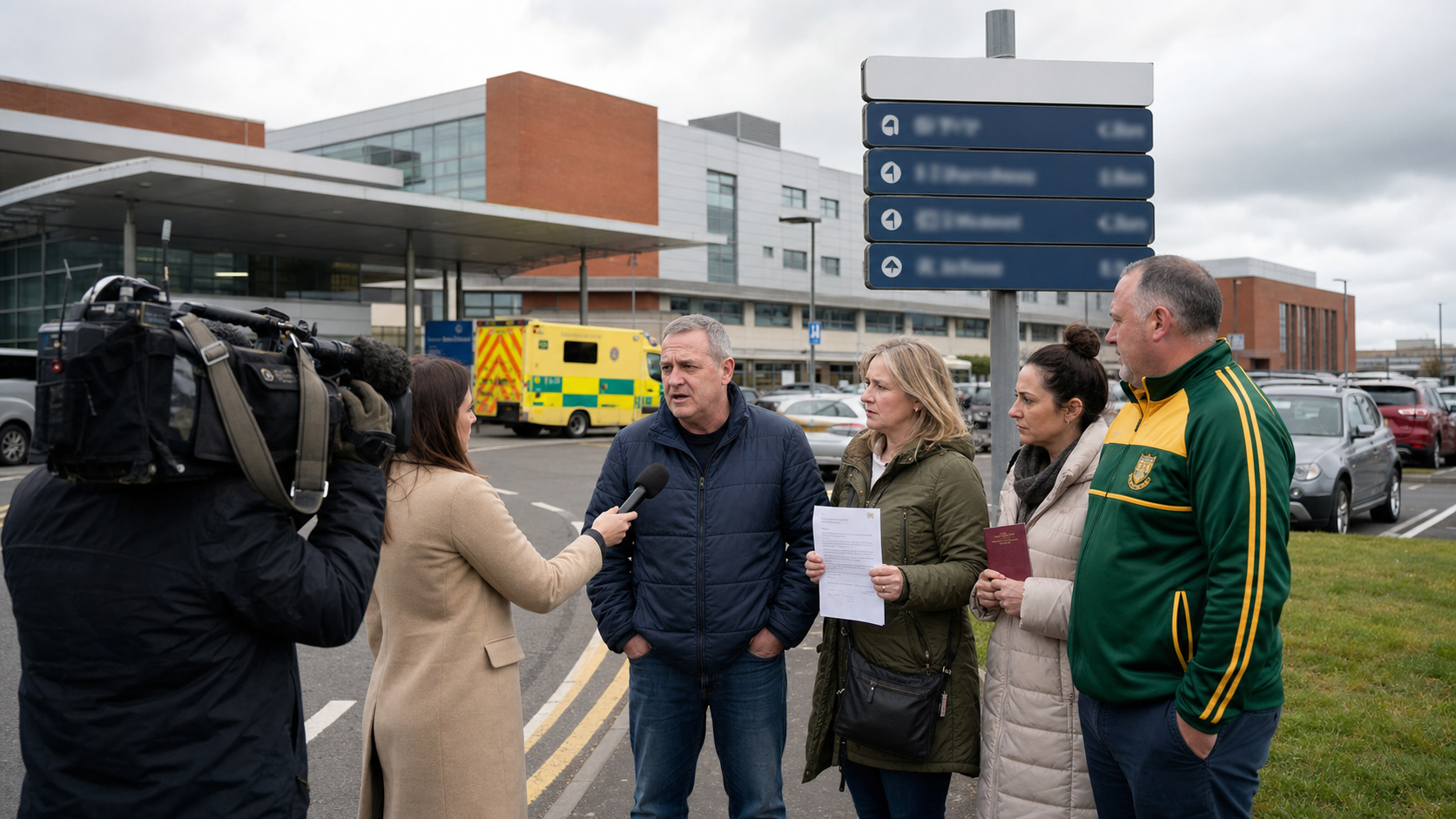
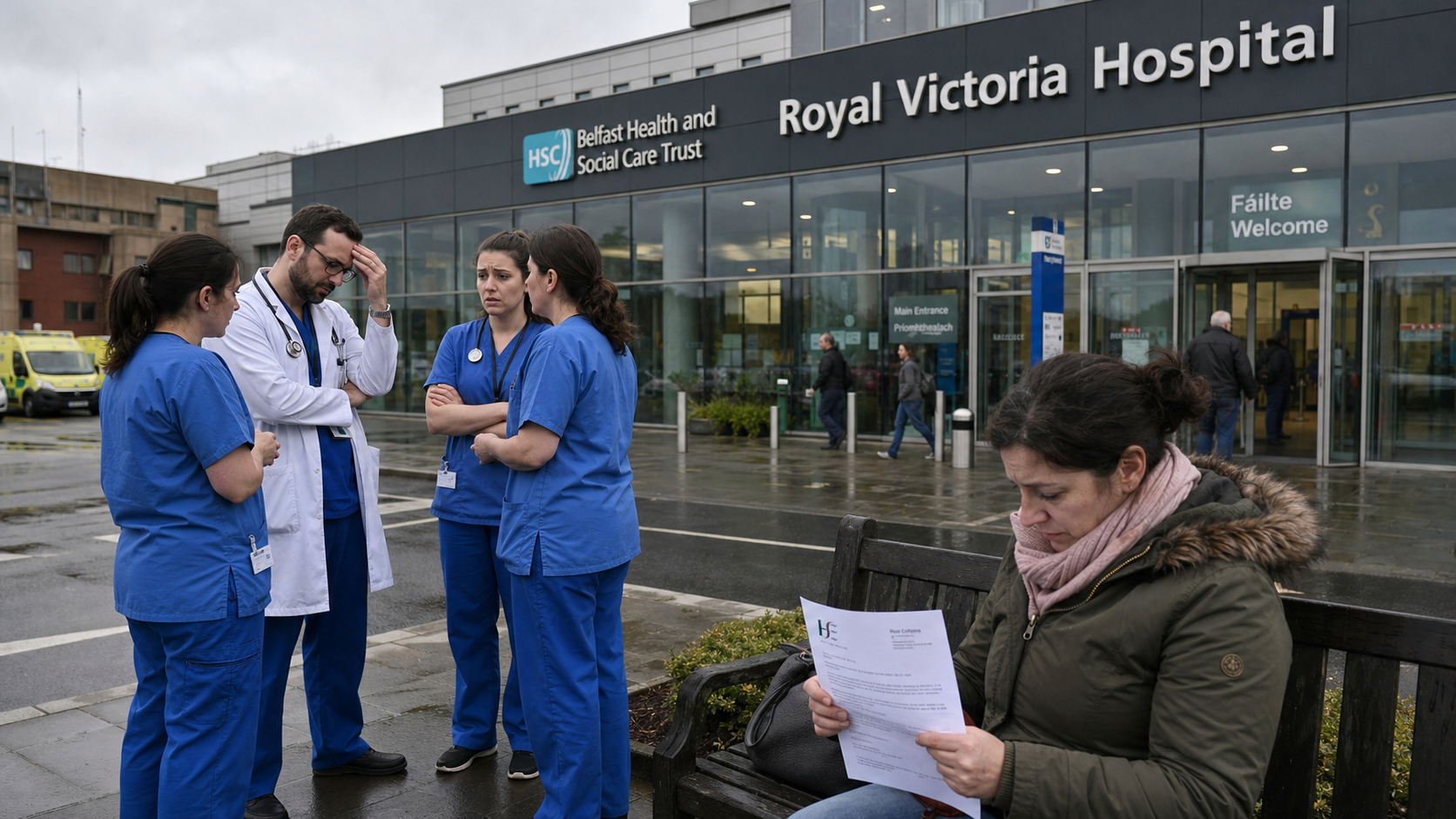
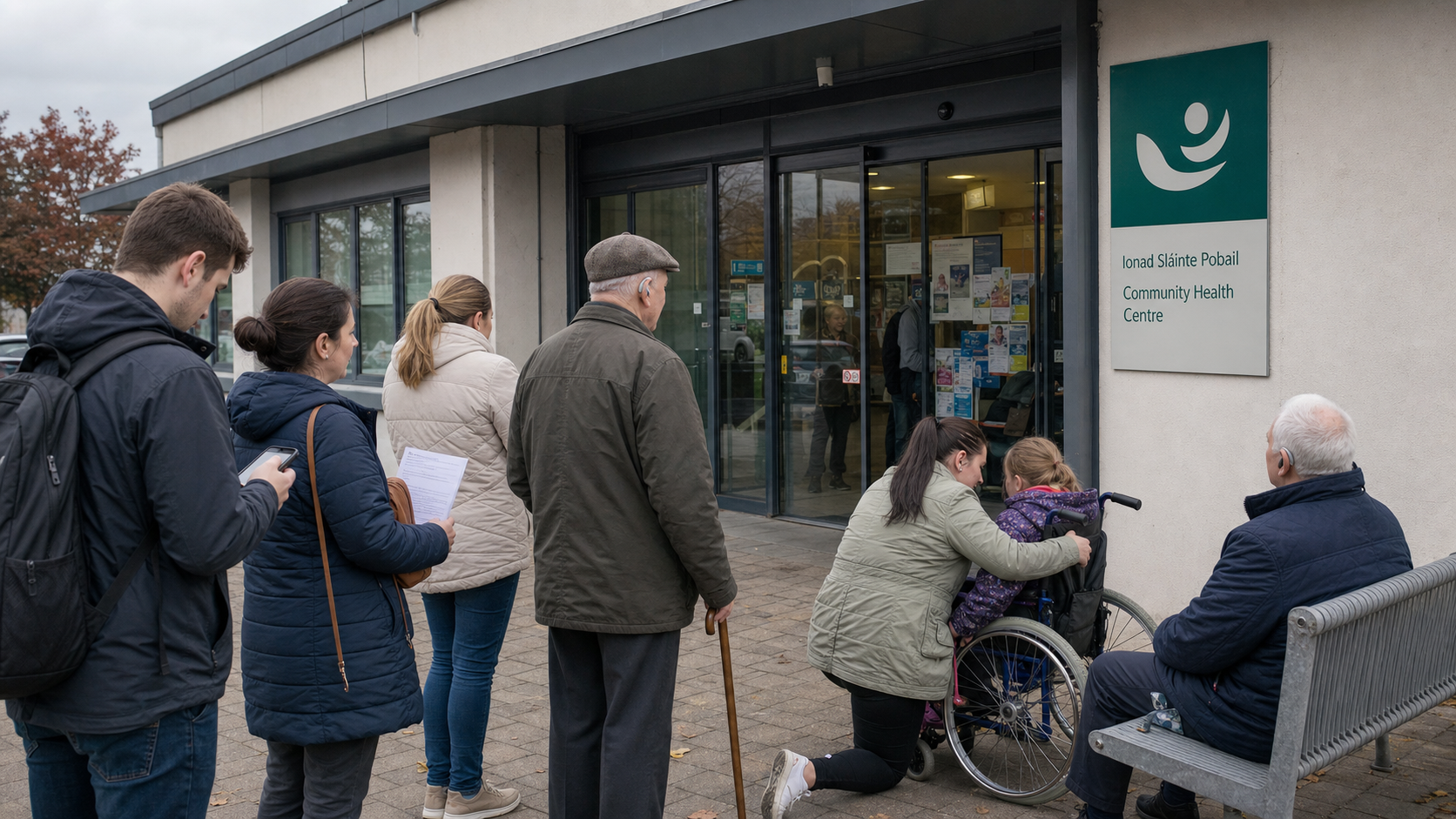
The new data, which covers the period to March 2026, provides the most comprehensive picture yet of the scale of the waiting list crisis in community healthcare. The figures show that 298,421 people were on waiting lists for community healthcare services at the end of March 2026, a number that represents a significant proportion of the population and that includes people of all ages, from children waiting for speech and language therapy to elderly patients waiting for physiotherapy following a fall or a stroke.
Key Developments
The most striking finding in the new data is the length of the longest waiting times, which in some cases extend to 13 and a half years. The longest waits are concentrated in specific disciplines and specific geographic areas, with the Longford-Westmeath area recording the longest wait for a dietetics appointment — a figure that reflects both the shortage of dietitians in the region and the high demand for the service driven by the prevalence of obesity and diabetes in the local population.
The data shows extreme regional variations in waiting times, with patients in some parts of the country waiting significantly longer than those in others for the same services. This geographic inequality in access to community healthcare is a long-standing feature of the Irish health system, driven by the uneven distribution of healthcare professionals across the country and the difficulty of recruiting and retaining staff in rural and less affluent areas. The HSE has acknowledged the problem and has committed to addressing it through a combination of recruitment initiatives, service redesign, and the use of technology to extend the reach of community services.
The community healthcare waiting list crisis does not exist in isolation. At the end of 2025, there were 894,369 patients on acute hospital waiting lists for inpatient, outpatient, and endoscopy procedures, and 4,462 children were on waiting lists for child and adolescent mental health services. The interconnection between these different waiting lists is significant: patients who cannot access community healthcare services in a timely manner often deteriorate to the point where they require acute hospital care, adding to the pressure on a hospital system that is already operating at or beyond capacity.
Why It Matters
The community healthcare waiting list crisis is not just a health issue — it is a social justice issue. The people who are most likely to be on these waiting lists are those who are least able to afford private healthcare, and the consequence of long waits is that their conditions deteriorate, their quality of life suffers, and their ability to participate fully in work and family life is compromised. A 13-year wait for a dietetics appointment is not an inconvenience — it is a failure of the state to provide a basic service to a citizen who needs it.
The crisis also has significant economic implications. People who cannot access community healthcare services in a timely manner are more likely to require expensive acute hospital care, to take time off work due to ill health, and to draw on social welfare supports. The cost of failing to invest adequately in community healthcare is therefore not just a health cost but an economic cost that falls on the state and on society as a whole.
The data also raises questions about the effectiveness of the HSE's resource allocation decisions. The concentration of the longest waiting times in specific disciplines and specific geographic areas suggests that the distribution of resources within the community healthcare system is not well-aligned with the pattern of need, and that a more systematic approach to resource allocation — based on evidence of need rather than historical patterns of provision — is required.
Local Impact
The impact of the community healthcare waiting list crisis is felt most acutely by the individuals and families who are on the lists. For a child waiting for speech and language therapy, a long wait can mean falling behind in school and missing the critical window for early intervention that makes the greatest difference to long-term outcomes. For an elderly person waiting for physiotherapy following a fall, a long wait can mean a loss of mobility and independence that is difficult or impossible to recover. For a person with diabetes waiting for dietetics support, a long wait can mean the progression of a condition that could have been managed effectively with timely intervention.
In the Longford-Westmeath area, where the longest waits for dietetics have been recorded, local GPs and community health workers have described the situation as "desperate," with patients unable to access the support they need to manage chronic conditions effectively. The area has historically had difficulty recruiting and retaining healthcare professionals, and the waiting list data reflects the cumulative effect of years of understaffing in the community healthcare sector.
What's Next
The HSE is expected to publish a new community healthcare waiting list action plan before the end of the summer, setting out the steps it intends to take to reduce waiting times across all disciplines and all geographic areas. The plan is expected to include a combination of additional recruitment, service redesign, and the use of technology — including telehealth and digital health tools — to extend the reach of community services. The Department of Health has indicated that it will provide additional funding for community healthcare in the next budget, though the scale of the investment required to make a meaningful impact on waiting times of the length revealed by the new data is considerable.