All-Island Mental Health Crisis Deepens as Northern Ireland Reports 24% Psychiatrist Vacancy Rate and Republic Faces Record Waits
Mental health services across the island of Ireland are in a state of acute crisis, with Northern Ireland reporting that nearly one in four consultant psychiatrist posts is vacant or filled by a temporary locum — contributing to a 30% rise in mental health waiting lists over four years — while in the Republic, patients face waits of over 500 weeks for outpatient psychology appointments in some Dublin areas and 38 acutely ill psychiatric patients are being held in the prison system awaiting secure hospital beds.
Background
Mental health has been one of the most persistently underfunded and underserved areas of healthcare on both sides of the Irish border for decades. Despite repeated government commitments to parity of esteem between mental and physical health, the reality has been one of chronic underfunding, workforce shortages, inadequate facilities, and dangerously long waiting times. The consequences of this neglect are measured in human suffering — in the lives disrupted by untreated mental illness, in the families struggling to support loved ones who cannot access care, and in the tragic outcomes that occur when people in crisis cannot get the help they need.
In Northern Ireland, the mental health system operates within the broader context of a healthcare system that holds the unwelcome distinction of having the longest waiting lists in the United Kingdom. The region's 10-year Mental Health Strategy, published in 2021, set out an ambitious vision for transforming mental health services, but its implementation has been hampered by a persistent lack of long-term, ring-fenced funding and by the structural challenges of delivering services across a fragmented health and social care system.
In the Republic of Ireland, the mental health system has been the subject of sustained criticism from advocacy organisations, healthcare professionals, and the Oireachtas. Despite significant increases in the mental health budget in recent years, the system continues to struggle with workforce shortages, inadequate inpatient capacity, and a community mental health infrastructure that is insufficient to meet the needs of a growing and increasingly stressed population.
Key Developments
The latest data from Northern Ireland paints a deeply troubling picture. Nearly 24% of consultant psychiatrist posts in the region are either vacant or filled by temporary locum doctors — a workforce crisis that has contributed to a 30% rise in mental health waiting lists over the past four years. All five of the region's health trusts are failing to meet the target of providing a psychology appointment within 13 weeks, with some trust areas reporting that over 75% of patients are waiting longer than this threshold. The situation in Child and Adolescent Mental Health Services is particularly acute, with young people in some areas waiting over a year for an initial assessment.
In the Republic, the scale of the crisis is equally alarming. Patients in some parts of Dublin are waiting over 500 weeks — nearly ten years — for outpatient psychology appointments, a figure that represents a catastrophic failure of the healthcare system to meet basic mental health needs. The waiting list for the Central Mental Hospital, the State's only secure psychiatric facility, has reached a record high, with 38 acutely ill patients — many actively psychotic — being held in the prison system while awaiting a secure hospital bed. This situation, which has been described by mental health advocates as a fundamental violation of the rights of some of the most vulnerable people in the State, has persisted despite repeated commitments from successive governments to address it.
Health advocates on both sides of the border have pointed to the potential for cross-border cooperation as a partial solution to the shared capacity crisis. Northern Ireland's Health Minister Mike Nesbitt has expressed an urgent desire to reinstate a cross-border reimbursement scheme that would allow patients from the North to receive treatment in the Republic, while patients from the Republic have been using the EU's Cross-Border Directive to access care in Northern Ireland.
Why It Matters
The mental health crisis matters because it represents a failure of the most fundamental obligation of any healthcare system: to provide care to those who need it most. Mental illness is not a lifestyle choice or a personal failing — it is a medical condition that requires professional treatment, and the failure to provide that treatment has devastating consequences for individuals, families, and communities. The particular vulnerability of those affected — people in acute psychological distress, children and young people at critical stages of development, prisoners who have no ability to seek alternative care — makes the failure of the system especially unconscionable. The all-island dimension of the crisis also highlights the potential for cross-border cooperation to deliver better outcomes for patients on both sides of the border, a potential that has been recognised by health ministers but not yet fully realised.
Local Impact
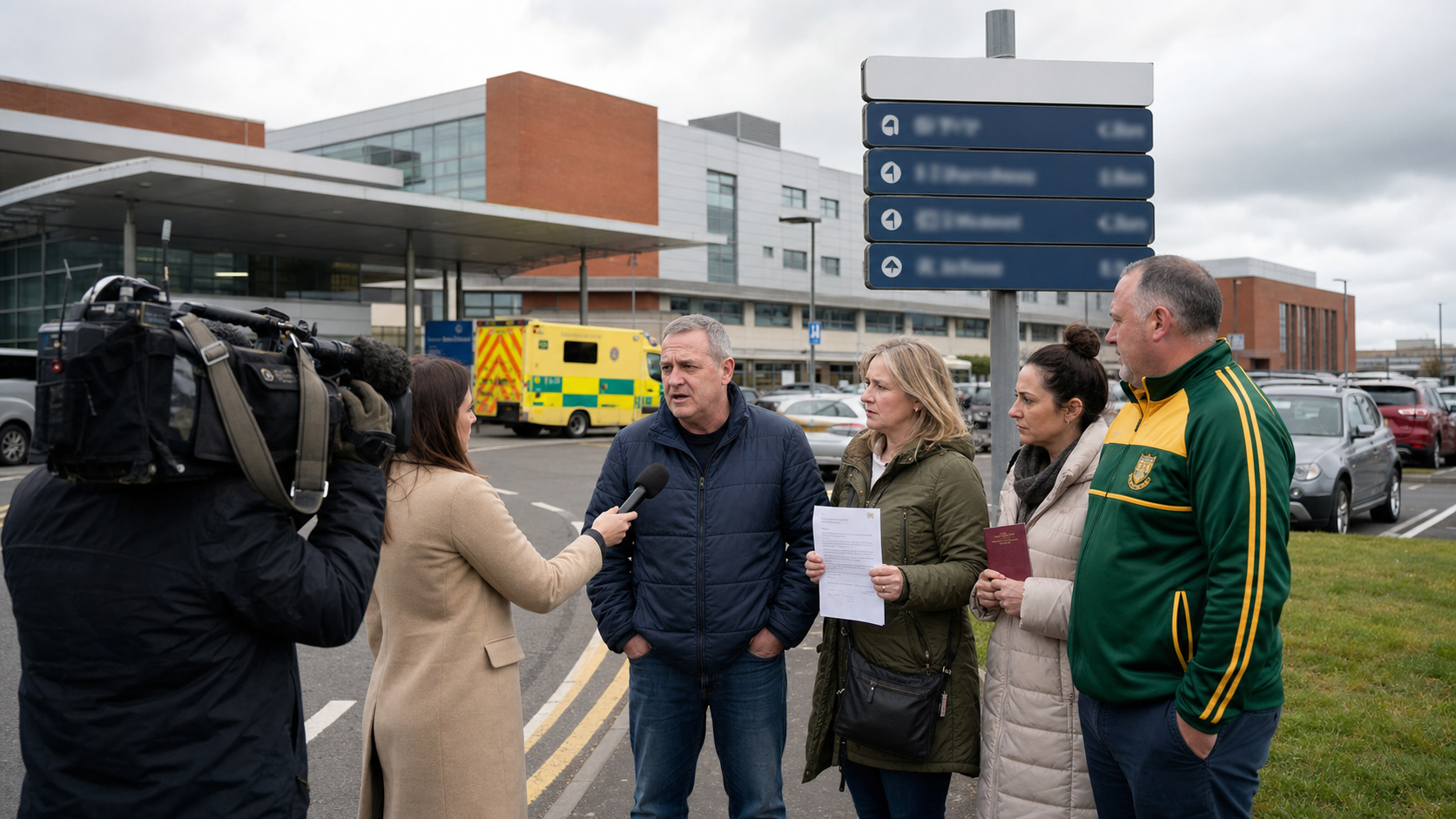
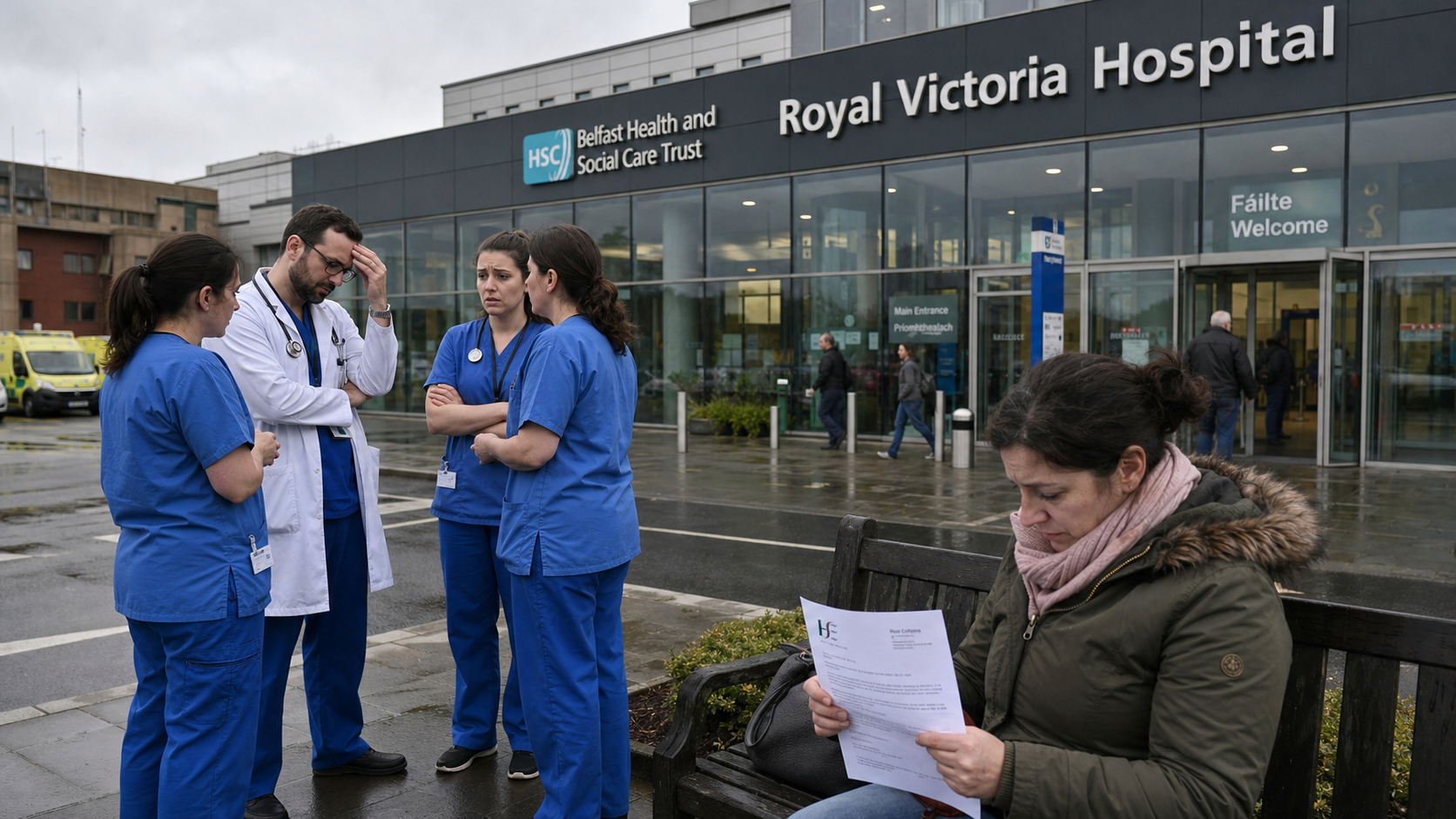
The impact of the mental health crisis is felt in every community across Ireland, but it falls most heavily on those with the fewest resources to manage it. In deprived urban areas — the inner city communities of Belfast and Dublin, the peripheral housing estates of Cork and Limerick — the combination of high rates of mental illness and the poorest access to services creates a particularly acute burden. Community organisations and voluntary sector mental health services are attempting to fill the gaps left by the statutory system, but they are operating under enormous pressure and with inadequate resources. For families caring for loved ones with serious mental illness, the inability to access timely professional support is a source of profound stress and, in some cases, genuine danger. The 38 psychiatric patients being held in the Irish prison system represent the most extreme manifestation of a system that has failed the people it is supposed to serve.
What's Next
The Northern Ireland Department of Health's £80 million investment package announced this week includes specific provisions for mental health services, providing some additional capacity in both Adult Mental Health and Child and Adolescent Mental Health Services. However, advocates have cautioned that this investment, while welcome, is insufficient to address the scale of the crisis and must be followed by sustained, ring-fenced mental health funding over many years. In the Republic, the HSE's National Mental Health Division is expected to publish an updated implementation plan for the national mental health strategy in the autumn, setting out specific targets for waiting list reduction and workforce development. Cross-border discussions on mental health cooperation are expected to intensify in the coming months, with a formal proposal for a joint mental health initiative expected to be considered by the North-South Ministerial Council before the end of 2026.