Irish Government Agrees Plan to Allow Tax-Free Rental of Back Garden Cabins
The Irish government has approved a plan allowing homeowners to rent out back garden cabins on a tax-free basis, with occupants exempt from planning permission requirements — a bold and controversial attempt to ease the country's chronic housing shortage by unlocking the potential of existing residential plots.
The Cabinet approved the measures on 21 April 2026, bringing modular back-garden units under the existing Rent-a-Room Relief scheme and allowing homeowners to earn up to €14,000 per year tax-free from such lettings. A separate grant of up to €135,000 has also been announced to incentivise the conversion of vacant spaces above shops into residential homes, as part of a broader multi-pronged government response to a housing crisis that experts warn could persist until 2040.
Background
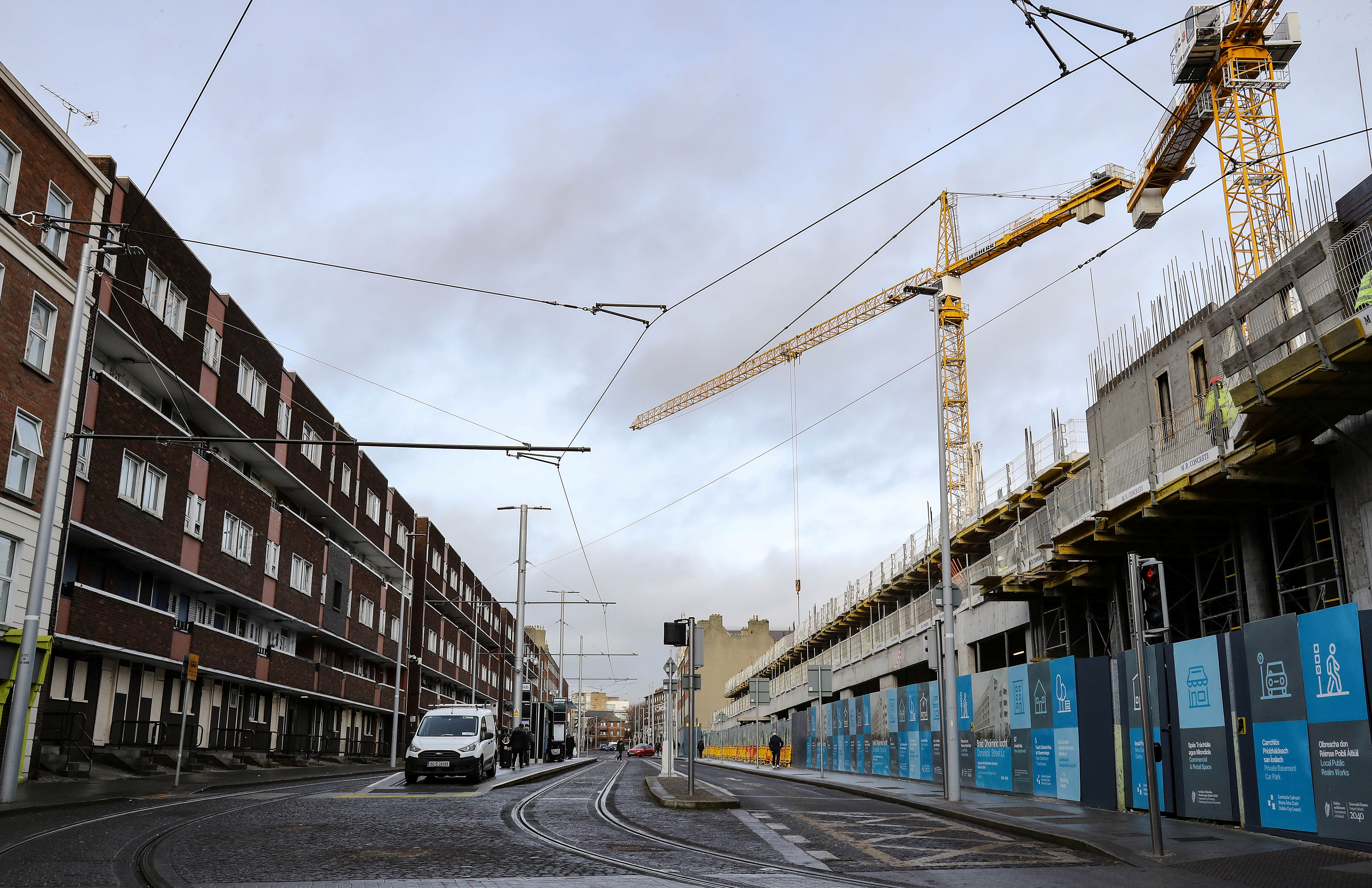
Ireland's housing crisis has been one of the most pressing political and social issues in the country for the better part of a decade. A chronic undersupply of homes relative to demand has driven rents and property prices to record levels: between 2015 and late 2024, average house prices surged by 91 per cent and market rents by 78 per cent, far outstripping general inflation. Experts estimate an annual need for 45,000 to 50,000 new homes, yet only 30,330 were completed in 2024. In August 2025, a record 16,353 people were registered as homeless.
The government has been under sustained pressure to find innovative solutions to increase housing supply quickly. The back-garden cabin scheme is designed to bypass lengthy planning processes — homeowners are not required to apply for permission but must notify their local authority of the new construction. Qualifying units must not exceed 45 square metres, must have a separate entrance, and the property must retain at least 25 square metres of usable garden space after construction.
The scheme is limited to owner-occupiers who continue to reside in the main dwelling. All units must comply with national building regulations, including fire safety and accessibility standards. The entire scheme is subject to a mandatory review within 18 months of implementation.
Key Developments
Under the approved scheme, homeowners who build a qualifying cabin and rent it out can earn up to €14,000 annually completely tax-free under the Rent-a-Room Relief scheme — approximately €1,167 per month. If annual gross rental income exceeds €14,000, the entire amount becomes subject to standard income tax, Universal Social Charge, and PRSI. Quality one-bedroom modular units typically cost between €105,000 and €135,000 to build, making the tax incentive a critical factor in encouraging homeowner investment.
A central and contentious element of the scheme is the legal status of occupants, who will be classified as licensees rather than tenants. This means they will have no recourse to the Residential Tenancies Board (RTB) and will not enjoy the legal protections against "no-fault" evictions that apply to standard tenants. The government argues this flexibility is necessary to encourage participation, but critics warn it creates a vulnerable class of renters with minimal rights.
The complementary "Vacant Above the Shop Grant" offers up to €95,000 for one unit, €115,000 for two units, and €135,000 for three or more units created by converting vacant upper floors above commercial premises. Properties must have been built before 2008 and the residential space vacant for at least two years. Owners must intend to live in one of the units or rent them out long-term, with tenancy registered with the RTB.
Why It Matters
Both measures reflect a growing recognition within government that addressing Ireland's housing crisis requires a multi-pronged approach that goes beyond traditional large-scale development. Taoiseach Micheál Martin and Minister of State for Planning John Cummins have defended the cabin policy as a "practical and common sense move" in a housing emergency. However, the plan has been vehemently opposed by major opposition parties. Sinn Féin's Housing Spokesperson Eoin Ó Broin condemned it as a "beds-in-sheds" policy risking "very poor quality, very expensive rental units," while Social Democrats leader Holly Cairns warned of "throwing renters to the wolves" given the absence of RTB oversight. Housing policy analyst Lorcan Sirr raised concerns about enforcement and the potential strain on local infrastructure.
Local Impact
While the scheme applies across the Republic of Ireland, its implications are closely watched in Northern Ireland, where the housing crisis — though distinct in its legal and political context — shares many of the same characteristics: insufficient supply, rising rents, and growing homelessness. The Irish government's willingness to experiment with deregulation and tax incentives to unlock private residential capacity may inform future policy debates at Stormont, where housing has become an increasingly urgent political issue. For communities on both sides of the border, the fundamental challenge remains the same: how to house a growing population when conventional development pipelines have consistently fallen short.
What's Next
The back-garden cabin scheme will require secondary legislation to implement fully, and the government has committed to an 18-month review to assess whether it is genuinely alleviating housing pressure or creating new social and regulatory problems. Housing campaigners have broadly welcomed the measures while cautioning that they alone will not be sufficient to resolve the scale of the crisis. For full details, see RTÉ News and The Irish Times.