Irish-Born Shamrock Rovers Captain 'Pico' Lopes Stars for Cape Verde at 2026 FIFA World Cup
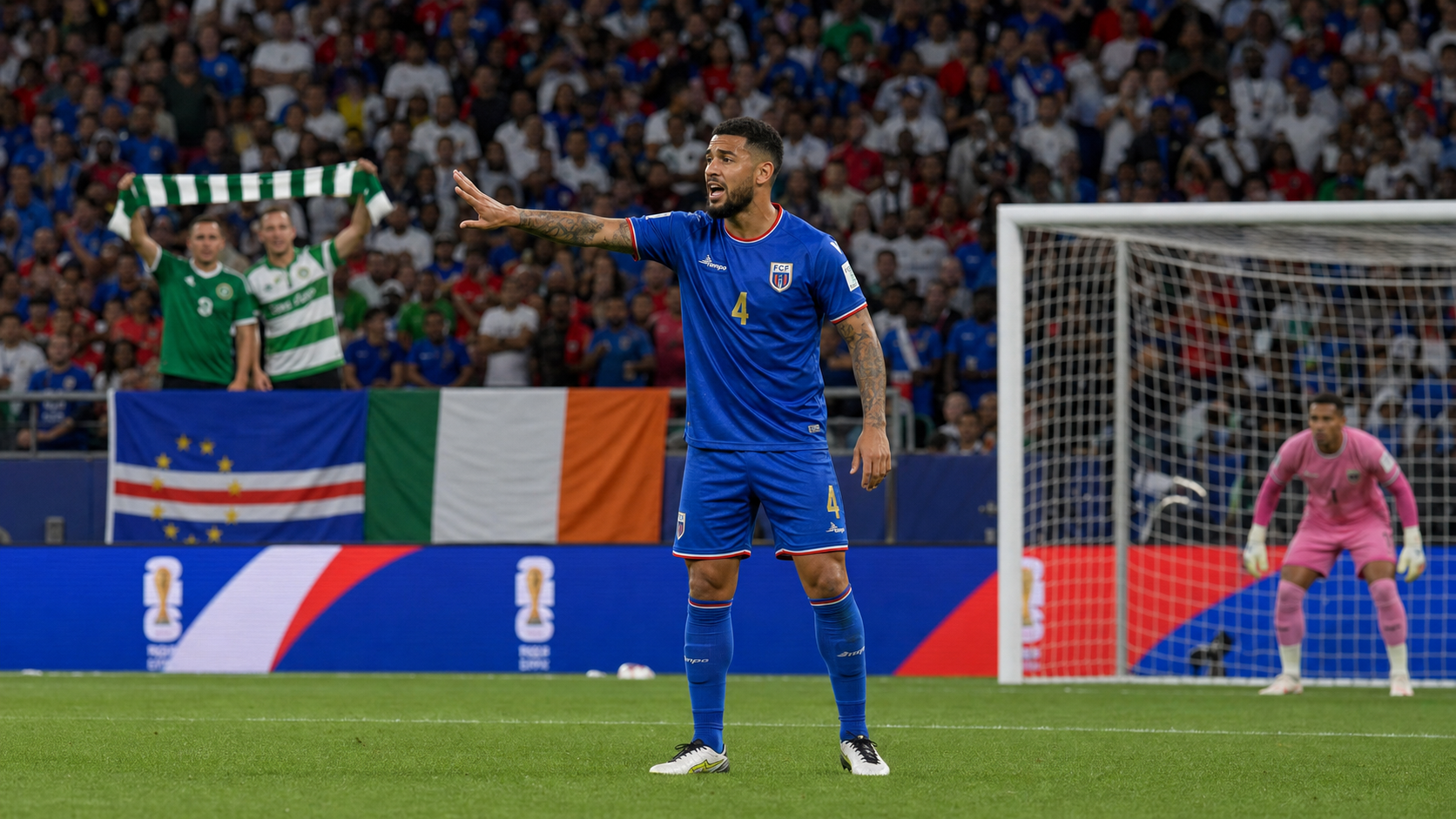
Roberto 'Pico' Lopes, the Shamrock Rovers captain and Dublin native who qualifies for Cape Verde through his father, has become the unlikely Irish connection to the 2026 FIFA World Cup — the only Irish-born player at the tournament — after helping the west African island nation secure a remarkable 0-0 draw against Spain in Atlanta that has captured the imagination of football fans across Ireland and beyond.
Background
The story of Pico Lopes is one of the more unusual in Irish football. Born and raised in Dublin, Lopes developed his football through the League of Ireland system, eventually establishing himself as one of the most reliable and respected defenders in the domestic game. His captaincy of Shamrock Rovers — the most successful club in League of Ireland history — is a reflection of the esteem in which he is held by his teammates, his club, and the broader Irish football community.
Lopes's eligibility for Cape Verde, the archipelago nation off the west coast of Africa, comes through his father, who is Cape Verdean. The Cape Verde Football Federation identified Lopes as a potential international player several years ago and worked to bring him into the national setup. His decision to represent Cape Verde rather than Ireland — for whom he was not eligible — has given him an international career that would otherwise not have been available to him.
Cape Verde's qualification for the 2026 World Cup was itself a remarkable achievement. The island nation, with a population of approximately 600,000, has been one of the most consistent performers in African football in recent years, qualifying for the Africa Cup of Nations on multiple occasions and building a reputation for organised, disciplined football that punches well above its weight. The 2026 World Cup is the country's first appearance at the tournament, and the achievement has been celebrated with enormous pride across the archipelago.
Key Developments
Cape Verde's 0-0 draw against Spain in Atlanta during the group stage of the 2026 World Cup was one of the results of the tournament so far. Spain, one of the pre-tournament favourites and a nation with a rich World Cup history, were held to a goalless draw by a Cape Verde side that defended with discipline and organisation and created several dangerous counter-attacking opportunities of their own.
Lopes was central to Cape Verde's defensive performance, marshalling the backline with the authority and composure that have made him such a valued figure at Shamrock Rovers. His reading of the game, his aerial ability, and his leadership on the pitch were all on display in Atlanta, and his performance attracted significant attention from football observers who had not previously been aware of his story.
The result has generated considerable interest in Ireland, where Lopes is a well-known figure in football circles. Shamrock Rovers supporters have been following Cape Verde's progress with particular enthusiasm, and the club has been active on social media in celebrating their captain's World Cup adventure. The League of Ireland has also used the occasion to highlight the quality of the domestic game and the players it produces.
Why It Matters
Pico Lopes's World Cup story matters for several reasons. At the most immediate level, it is a genuinely compelling human interest story — a Dublin footballer representing a small island nation at the world's biggest sporting event, helping them hold one of the tournament favourites to a draw. That is the stuff of football romance, and it deserves to be celebrated.
At a deeper level, the story speaks to the complexity of identity and belonging in modern football. Lopes is Irish by birth and upbringing, Cape Verdean by heritage and international allegiance. His story is a reminder that the boundaries between nations and identities are more fluid than they sometimes appear, and that football — with its global reach and its capacity to create connections across cultures — is one of the places where that fluidity is most visible.
For the League of Ireland, Lopes's World Cup appearance is a significant moment. The domestic league has long struggled to attract the attention and respect it deserves, and the sight of its captain competing at the World Cup — and performing creditably against some of the best players in the world — is a powerful argument for the quality of the competition and the players it develops.
Local Impact
In Dublin, where Lopes grew up and where he has built his career, the reaction to his World Cup adventure has been one of pride and excitement. His former clubs and schools have been celebrating his achievement, and the football community in the city has been following Cape Verde's progress with unusual intensity. Tallaght Stadium, Shamrock Rovers' home ground, has been showing Cape Verde's World Cup matches on its big screen, drawing crowds of supporters who want to cheer on their captain.
The Cape Verdean community in Ireland — which is concentrated primarily in Dublin and Limerick — has also been celebrating Lopes's achievement with enormous pride. For a community that is often invisible in Irish public life, the sight of one of their own representing their ancestral homeland on the world stage is a moment of profound significance.
What's Next
Cape Verde's remaining group stage fixtures will determine whether they advance to the knockout rounds of the 2026 World Cup. A place in the last 16 would be a historic achievement for the island nation and would extend Lopes's World Cup adventure further. Shamrock Rovers have confirmed that they are monitoring their captain's progress closely and are proud of his achievement. The League of Ireland has indicated it will use Lopes's World Cup story as part of its promotional campaign for the remainder of the 2026 season.