Ireland's Triple Lock Defence Debate Intensifies as Government Pushes Ahead with Reform Bill
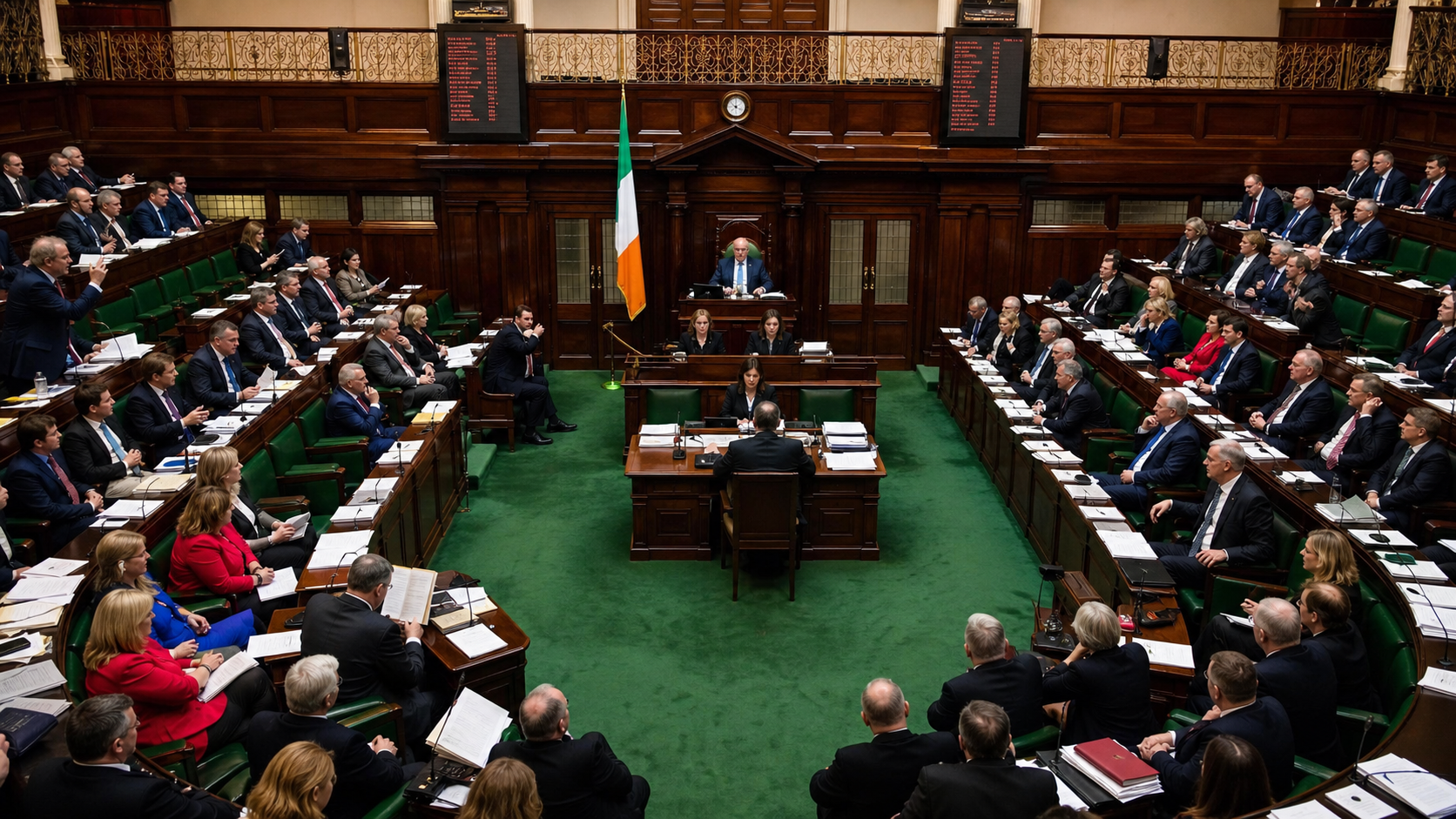
The Irish government is advancing the Defence (Amendment) Bill 2026, which would remove the requirement for a UN Security Council mandate before Irish troops can be deployed overseas in groups of more than 12 — a change that has triggered one of the most significant political rows of the current Dáil term, with opposition parties and several government backbenchers warning that the reform represents a fundamental departure from Ireland's long-standing policy of military neutrality.
Background
The triple lock mechanism has governed Irish overseas military deployments since the early 2000s. Under the current system, any deployment of more than 12 Defence Forces personnel on an overseas mission requires three separate approvals: from the Government, from the Dáil, and from the UN Security Council. The mechanism was designed to ensure that Irish troops could only be deployed in the context of internationally mandated peacekeeping operations, providing a constitutional and political safeguard against involvement in military adventures that lacked broad international legitimacy.
The triple lock played a significant role in securing public support for the Nice and Lisbon EU treaties, with the government of the day pointing to the mechanism as evidence that EU membership would not compromise Ireland's neutrality. For many Irish people, the triple lock is not merely a procedural requirement but a symbol of the country's commitment to a distinctive foreign policy — one that prioritises diplomacy, peacekeeping, and international law over military alliances and power politics.
The government's case for reform rests on the argument that the triple lock has become unworkable in the current geopolitical environment. The UN Security Council is increasingly paralysed by the veto powers of its permanent members — Russia, China, the United States, France, and the United Kingdom — and the government argues that this paralysis is preventing Ireland from participating in legitimate peacekeeping and security operations that have broad international support but lack a formal Security Council mandate.
Key Developments
The urgency of the reform was highlighted by Ireland's withdrawal from Operation Irini, a European naval mission enforcing a UN arms embargo on Libya, after the Security Council mandate for the mission lapsed in May 2026. The government argued that without the triple lock, Ireland's decision regarding its participation in such missions would have been different, and that the current system effectively gives foreign powers — specifically the permanent members of the Security Council — a veto over Irish foreign policy decisions.
The Defence (Amendment) Bill 2026 proposes to remove the UN Security Council requirement while introducing new democratic safeguards. Under the proposed framework, deployments would still require the approval of both the Government and the Dáil. Additional reporting requirements would be introduced, including an annual report to the Dáil on overseas deployments, and the Joint Oireachtas Committee would be notified of deployments involving fewer than 50 personnel.
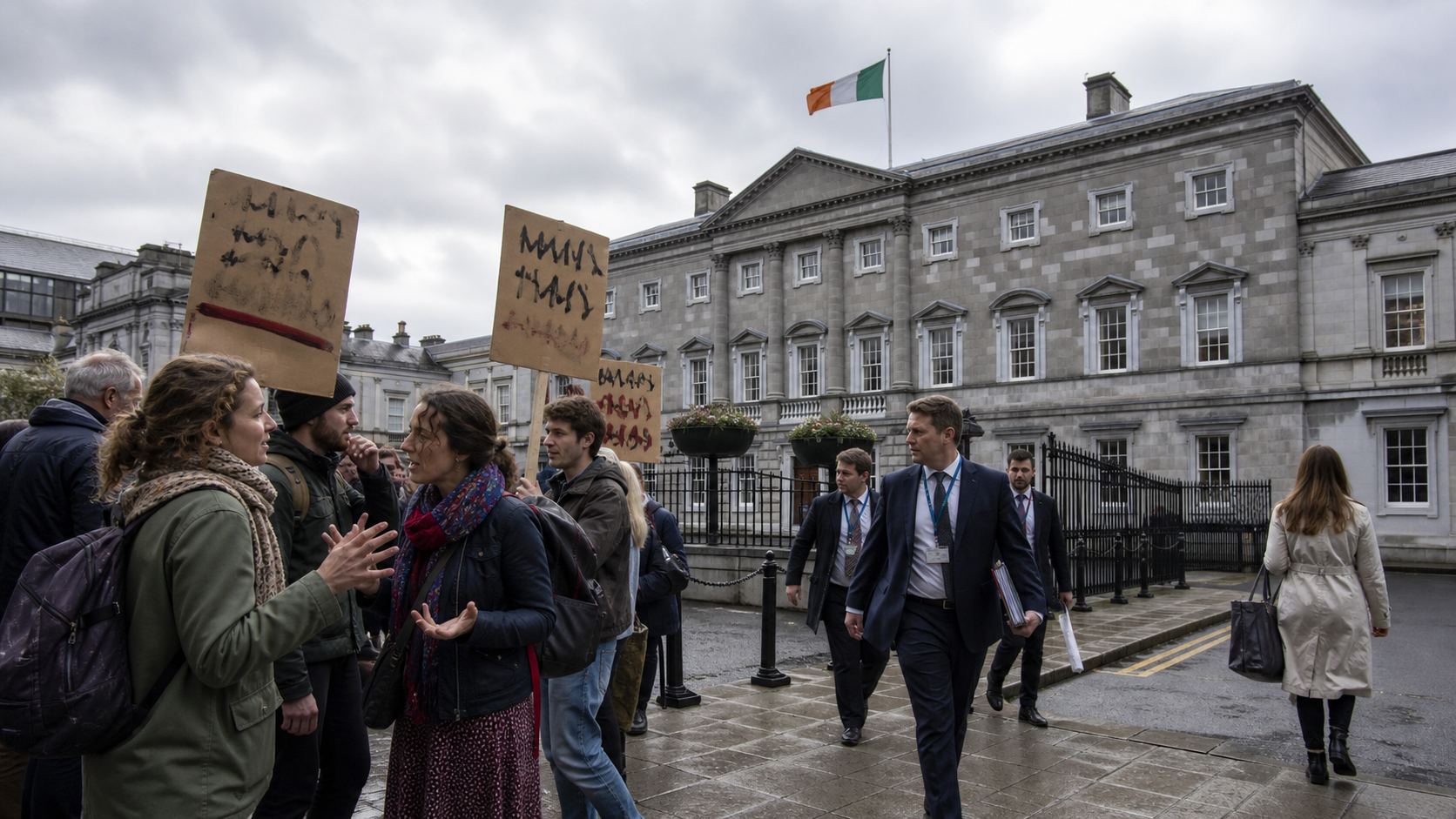
The opposition to the bill has been fierce and broad. Sinn Féin, the Social Democrats, Labour, the Green Party, People Before Profit, Independent Ireland, and Aontú have all expressed outright opposition. Within Fianna Fáil, several TDs have signed a letter arguing that the change represents a fundamental shift in party policy that should be put to the people in a referendum. Taoiseach Micheál Martin has defended the reform, arguing that the triple lock was never intended to give foreign powers a veto over Irish foreign policy, and that the proposed changes maintain Ireland's commitment to the UN Charter and international law.
Why It Matters
The triple lock debate matters because it goes to the heart of Ireland's identity as a neutral state and its relationship with the European Union's evolving security architecture. As the EU develops its own defence capabilities — through the European Defence Fund, the Strategic Compass, and various military cooperation frameworks — Ireland faces increasing pressure to align its defence policy more closely with its EU partners. The triple lock reform is, in part, a response to that pressure, though the government has been careful to frame it in terms of Irish sovereignty rather than EU integration.
The debate also matters because it is genuinely contested within Irish society. Polls consistently show that a majority of Irish people support military neutrality, and the government's decision to proceed with the reform without a referendum has been criticised as undemocratic by those who argue that such a fundamental change to Irish foreign policy should require a popular mandate. The government's counter-argument — that the reform does not change Ireland's neutrality but merely updates the mechanism for implementing it — has not convinced its critics.
Local Impact
For the members of the Defence Forces who serve on overseas missions — in Lebanon, Kosovo, and elsewhere — the triple lock debate has practical implications. The current system has, on occasion, prevented Ireland from participating in missions that its military personnel and their commanders believed were worthwhile and legitimate. The reform, if enacted, would give the government and the Dáil greater flexibility to respond to emerging security situations, though critics argue that this flexibility comes at the cost of the principled constraints that have defined Irish foreign policy for decades.
What's Next
The government aims to have the Defence (Amendment) Bill enacted by the end of 2026, contingent on Oireachtas cooperation. The bill faces a difficult passage through the Dáil, with the opposition parties and some government backbenchers likely to seek amendments or to delay proceedings. A Dáil debate on the second stage of the bill is expected in September, and the outcome will depend on whether the government can hold its coalition together and whether any compromise can be found with the more moderate critics of the reform. A referendum on the issue remains a possibility if the political pressure becomes too great for the government to resist.