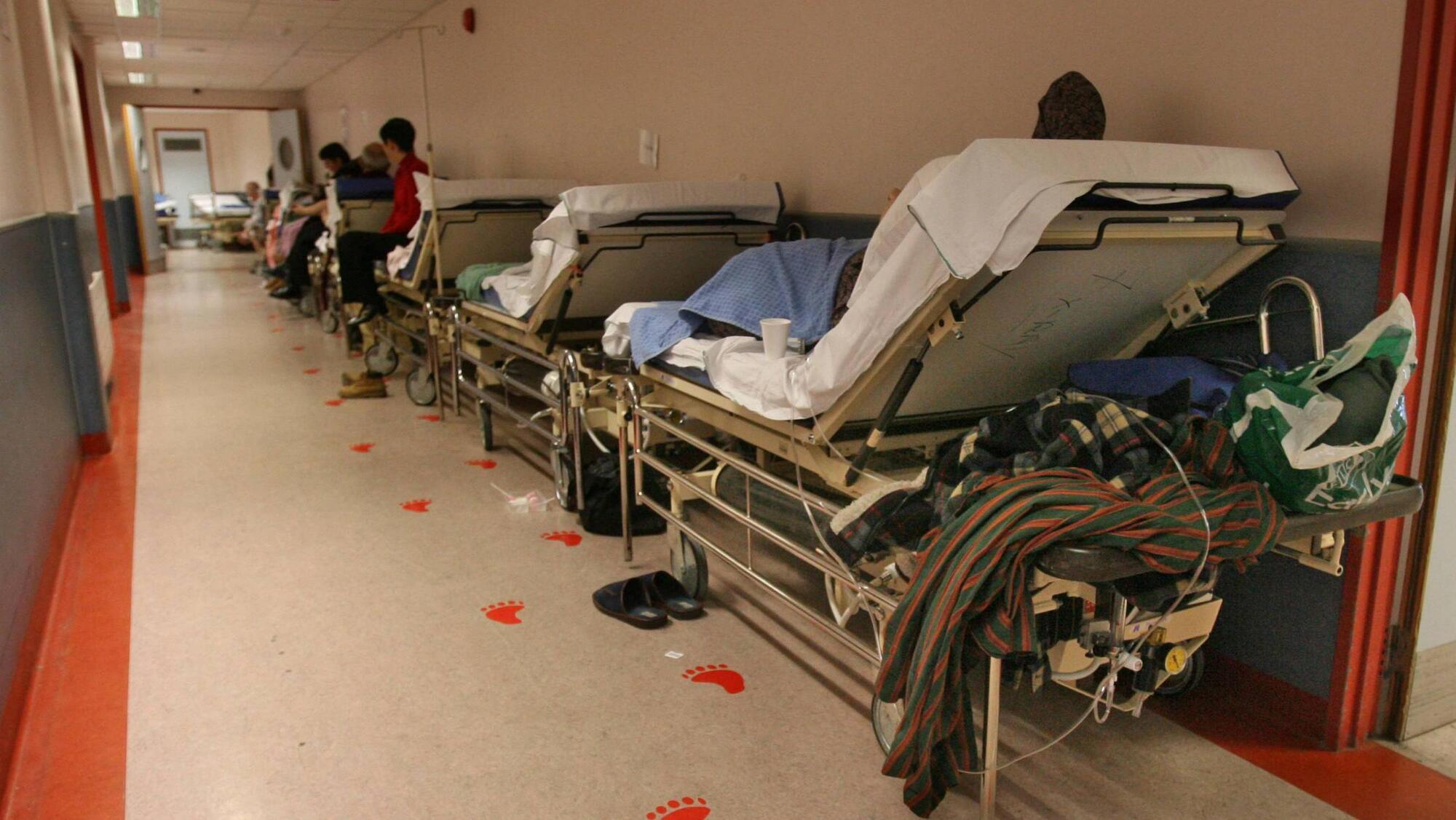
Ireland's Summer Trolley Crisis Deepens as 617 Patients Without Beds Amid Record Heatwave
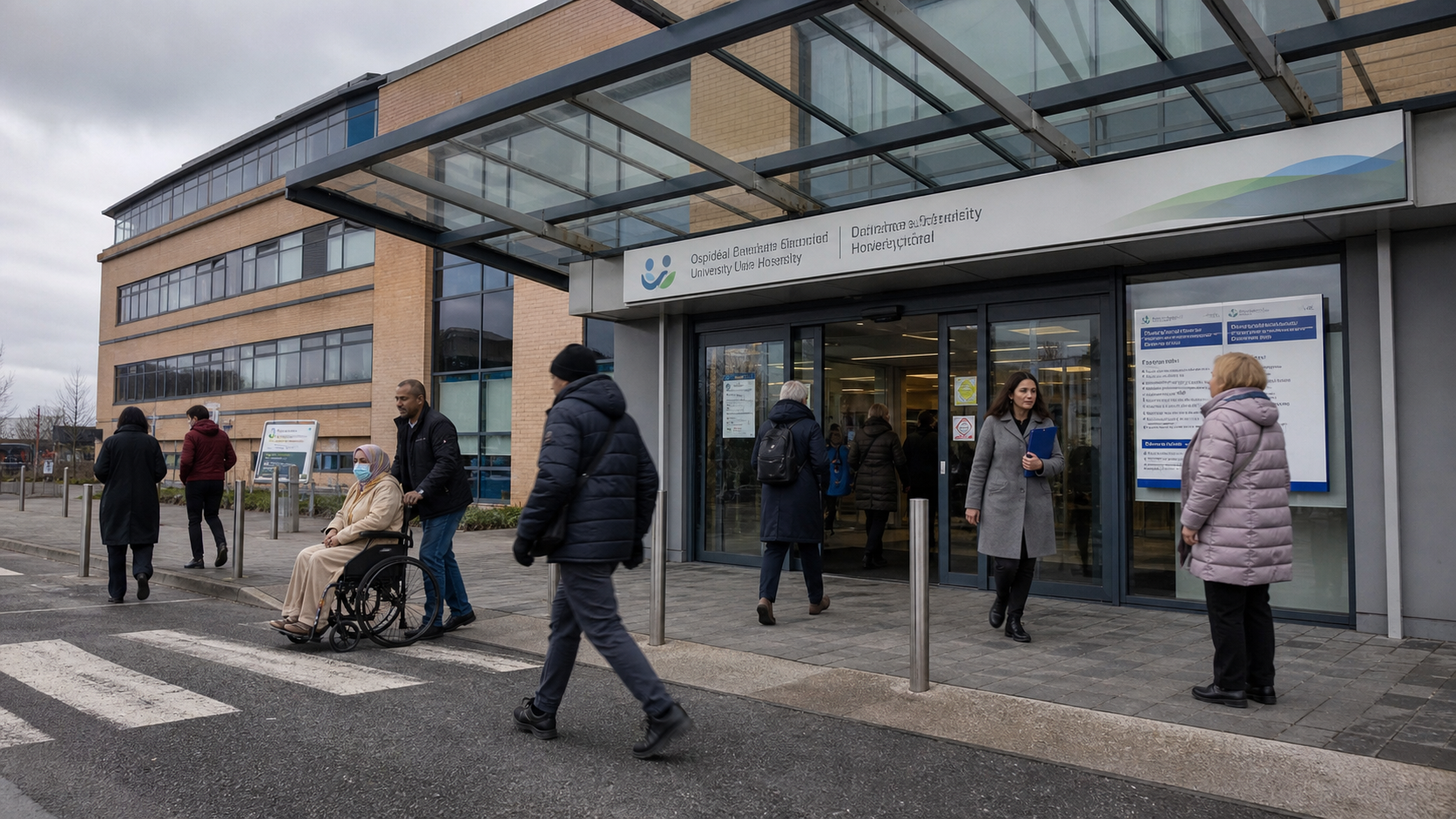
Ireland's hospitals are facing a severe summer trolley crisis, with 617 patients recorded without a bed nationally as a record heatwave compounds existing overcrowding pressures and the Irish Nurses and Midwives Organisation describes conditions for both staff and patients as "outrageous" — a situation that has prompted renewed calls for emergency action from health officials and patient advocacy groups alike.
Background
Hospital overcrowding has been a persistent feature of the Irish health system for many years, but the summer of 2026 has brought a new and particularly challenging dimension to the crisis. Ireland experienced an official heatwave in late June, followed by further intense heat spells in July and August, making this one of the hottest summers on record. The combination of extreme heat and chronic hospital overcrowding has created conditions that health professionals describe as dangerous for both patients and staff.
Irish hospitals are largely ill-equipped for high temperatures. Many wards lack adequate cooling systems, and the physical environment of older hospital buildings — designed for a climate that rarely exceeded 25°C — becomes genuinely hazardous when temperatures climb into the low thirties. Nurses and other healthcare workers have reported that working in these conditions significantly increases stress and exhaustion, while also posing risks to patient safety, particularly for elderly and vulnerable patients who are more susceptible to heat-related illness.
The Irish Nurses and Midwives Organisation (INMO) has been tracking trolley numbers daily for many years, and its data provides the most comprehensive picture available of the scale of hospital overcrowding across the country. The organisation has consistently argued that the trolley crisis is not an inevitable feature of the Irish health system but a "totally avoidable" consequence of chronic underinvestment in hospital capacity and primary care.
Key Developments
The INMO reported on Friday that 617 patients were without a bed nationally, with nearly 400 of these patients waiting in emergency departments. University Hospital Limerick (UHL) again recorded the highest numbers, with 130 patients on trolleys — a figure that INMO representatives described as "Groundhog Day." The hospital has been the epicentre of the national overcrowding crisis for several years, consistently recording the highest trolley numbers of any hospital in the country.
The Irish Examiner reported this week that almost 9,500 people aged 75 or over have had to wait longer than 24 hours to secure a hospital bed so far this year — a figure that reflects the particular vulnerability of older patients to the consequences of overcrowding and delayed care. Health professionals have warned that the combination of extreme heat and prolonged waits in emergency departments is contributing to deteriorating outcomes for elderly patients, including an increased risk of dehydration, falls, and heat-related illness.
The HSE's Regional Executive Management Team for the Mid West has attributed UHL's persistent overcrowding to a "long-standing structural mismatch between patient demand and available capacity." A new 96-bed unit opened at the hospital in October 2025, but the INMO has argued that it has not provided significant improvement. A further 16-bed rapid-build unit is expected to be completed in the fourth quarter of 2026, and a second 96-bed block is planned for 2029.
Why It Matters
The summer trolley crisis matters because it represents a failure of the Irish health system to provide basic standards of care to some of its most vulnerable patients. A 75-year-old patient waiting more than 24 hours for a hospital bed is not an abstract statistic — it is a person in pain or distress, in an environment that is too hot, too crowded, and too noisy for recovery. The fact that this situation is occurring during what should be the quieter summer period — when elective procedures are reduced and demand for emergency care is typically lower — makes it all the more alarming. The INMO's description of the crisis as "totally avoidable" is a damning indictment of successive governments' failure to invest adequately in hospital capacity and primary care. Ireland spends less per capita on health than most comparable European countries, and the consequences of that underinvestment are visible every day in the trolley counts published by the INMO.
Local Impact
The trolley crisis affects patients across Ireland, but its impact is felt most acutely in the regions served by the most overcrowded hospitals. In Limerick and the wider Mid West — including Clare, Tipperary, and south Offaly — UHL's chronic overcrowding means that patients face longer waits, more difficult conditions, and a greater risk of adverse outcomes than their counterparts in other parts of the country. The situation at UHL has been the subject of repeated investigations, reports, and commitments to action, but the fundamental problem — insufficient capacity relative to demand — has not been resolved. In Dublin, the Mater, St Vincent's, and Beaumont hospitals have also reported significant overcrowding, with the heatwave adding to the pressure on emergency departments that are already operating well beyond their designed capacity.
What's Next
The HSE has indicated that it is monitoring the situation closely and is working with hospital management teams to implement measures to reduce overcrowding, including the acceleration of discharge planning and the expansion of community-based care options. The INMO has called for an emergency meeting with the Minister for Health to discuss the crisis and to agree on immediate and medium-term measures to address it. The Oireachtas Health Committee is expected to hold an emergency session on hospital overcrowding in the coming weeks. The 16-bed rapid-build unit at UHL is expected to be completed in the fourth quarter of 2026, providing some additional capacity ahead of the winter period.