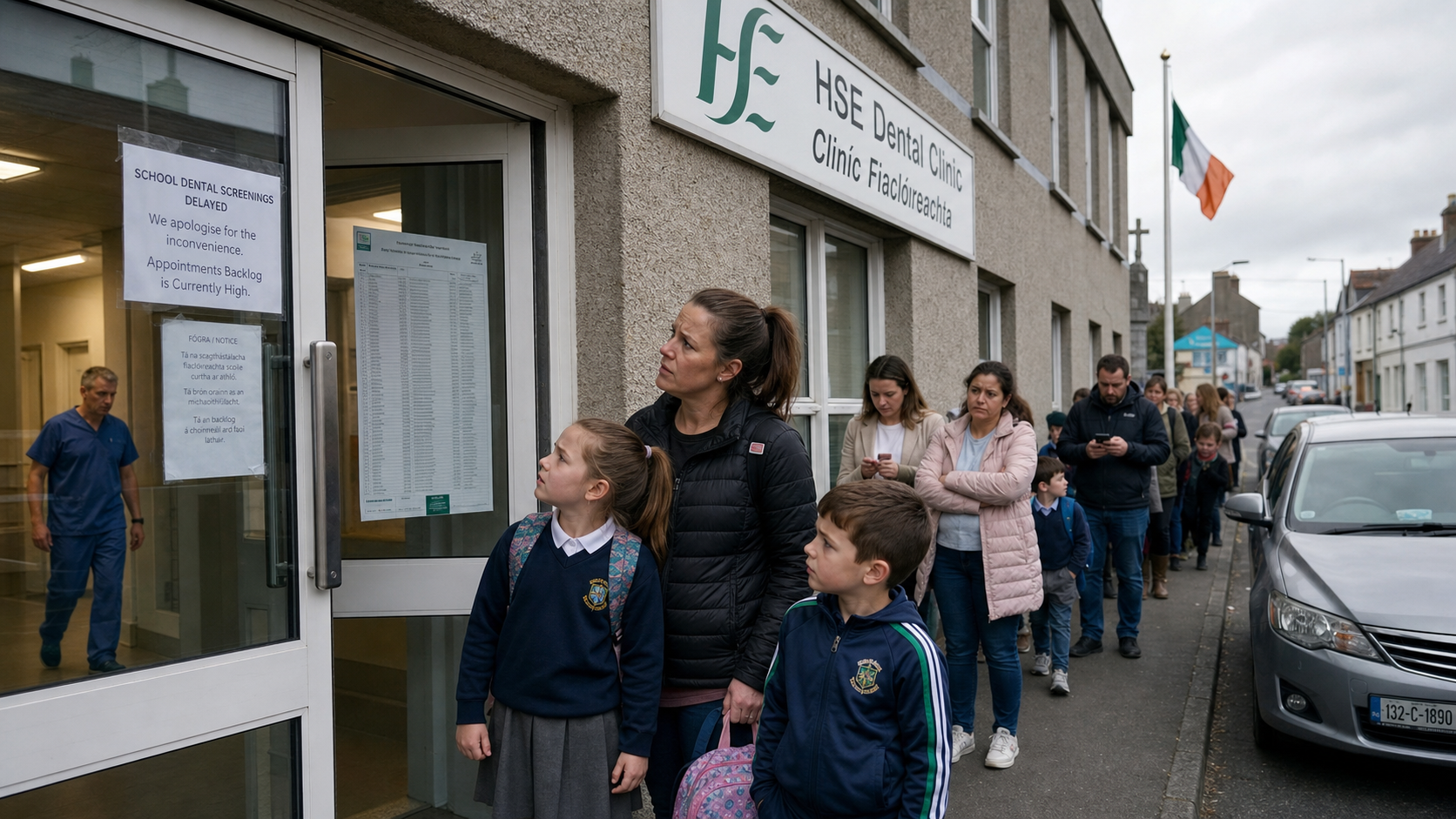
Ireland's Dental Care Crisis: 55,000 Children Missing School Screenings as Public System Nears Collapse
Ireland's public dental care system is in a state of near-permanent collapse, with approximately 55,000 children unable to access school dental screenings, more than 11,000 patients waiting for urgent orthodontic treatment, and the number of dentists participating in the medical card scheme having fallen by 44 per cent since 2012 — a crisis that is hitting disadvantaged children and medical card holders hardest and that the Irish Dental Association says requires emergency intervention.
Background
The decline of Ireland's public dental care system is a story of austerity-driven cuts that were never reversed, workforce shortages that were never adequately addressed, and a regulatory framework that has not kept pace with the changing structure of the dental profession. The 2008 financial crisis triggered a significant reduction in public dental services, with the HSE cutting staff and reducing the scope of treatments available under the medical card scheme. By 2025, the number of dental treatments carried out by the HSE had dropped by over 31 per cent compared to 2009 levels, even as the general population grew by more than one million people.
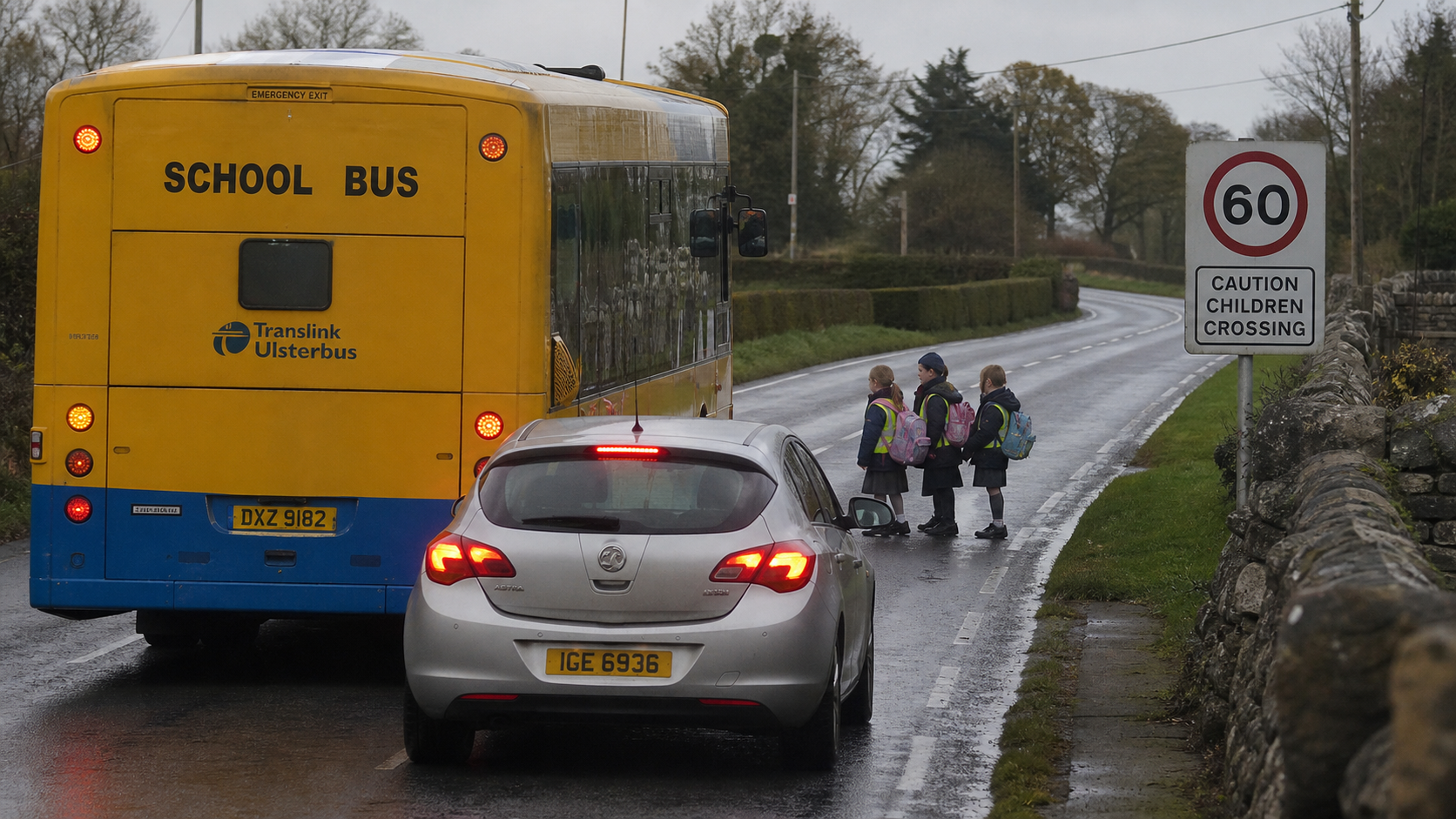
The impact on children has been particularly severe. Ireland operates a school dental screening programme that is supposed to provide dental check-ups for children in second, fourth, and sixth class in primary school. In 2024, only half of eligible children received their school screenings, with rates dropping to one-third in some regions. The backlog of children who have never received a screening has grown to approximately 55,000 — a figure that represents a significant public health failure with long-term consequences for the dental health of a generation of Irish children.
The workforce crisis at the heart of the problem is driven by a combination of factors. Dentists cite excessive administrative burdens, reduced remuneration under the medical card scheme, and a lack of clinical autonomy as primary reasons for leaving the public scheme. The number of practitioners participating in the medical card scheme fell by 44 per cent between 2012 and 2024, dropping from 1,452 to 810. Sixty-five per cent of dental practices reported difficulty recruiting staff in 2025, reflecting a broader shortage of dental professionals that is not unique to Ireland but that is particularly acute here given the historical underinvestment in the sector.
Key Developments
The Irish Dental Association has published a comprehensive analysis of the crisis that makes for sobering reading. More than 11,000 patients requiring urgent Grade 4 or 5 orthodontic care remain on waiting lists, with roughly 8,000 having waited over a year. Over 800 patients are waiting more than 48 months for complex orthodontic treatment — a delay that, in many cases, means the window for effective intervention has passed and the patient will require more extensive and expensive treatment as an adult.
The IDA has called for the recruitment of 100 additional dentists over two years and for the inclusion of dentists and dental nurses on the Critical Skills List to address labour shortages. It has also called for the modernisation of the Dentists Act, which it says contains outdated provisions that are preventing some corporate providers from treating medical card holders.
Minister for Health Jennifer Carroll MacNeill has suggested that newly qualified dentists should spend a period working in the public system as part of a "social contract," given the state's investment in their training. The proposal has been welcomed by some in the profession but criticised by others who argue that it does not address the underlying issues of remuneration and working conditions that are driving dentists out of the public scheme.
Why It Matters
The dental care crisis is a public health emergency that is being experienced most acutely by those who can least afford to seek private alternatives. Medical card holders — who are entitled to free dental care under the Dental Treatment Services Scheme — are finding it increasingly difficult to access that care as the number of participating dentists falls. Families who cannot afford private dental treatment are left with no option but to wait, often for years, for public services that may never materialise. The consequences — untreated decay, preventable extractions, and the long-term health impacts of poor oral health — fall disproportionately on the most disadvantaged members of Irish society.
The crisis also has economic dimensions. Poor oral health is associated with a range of systemic health conditions, including cardiovascular disease and diabetes, and the cost of treating these conditions in later life is significantly higher than the cost of preventive dental care. The failure to invest adequately in public dental services is therefore not just a social justice issue — it is a false economy that will cost the health system far more in the long run than the investment required to fix it now.
Local Impact
The impact of the dental care crisis is felt across Ireland, but it is particularly acute in areas with high concentrations of medical card holders and in regions where the number of participating dentists has fallen most sharply. In parts of Dublin's north inner city, Limerick's regeneration areas, and rural counties including Donegal, Roscommon, and Leitrim, families are travelling significant distances to access dental care or are simply going without. Community health workers in these areas have reported a significant increase in the number of people presenting with dental emergencies that could have been prevented with routine care. The HSE's community dental service, which is supposed to provide a safety net for those who cannot access private care, is overwhelmed and understaffed.
What's Next
The Department of Health is expected to publish a response to the IDA's analysis in the autumn, setting out a plan for addressing the most urgent aspects of the crisis. The Minister has indicated she is open to the IDA's proposals on workforce development and regulatory reform, but has stopped short of committing to the specific measures the association has called for. The Dáil's health committee is expected to hold hearings on the dental care crisis in September, with the IDA, the HSE, and patient advocacy groups all expected to give evidence. A comprehensive reform of the public dental care system — including a review of the DTSS remuneration rates and a significant expansion of the dental workforce — is considered essential if the crisis is to be resolved.