Ireland Mourns Rory O'Hanlon: Former Minister and Ceann Comhairle Dies Aged 92
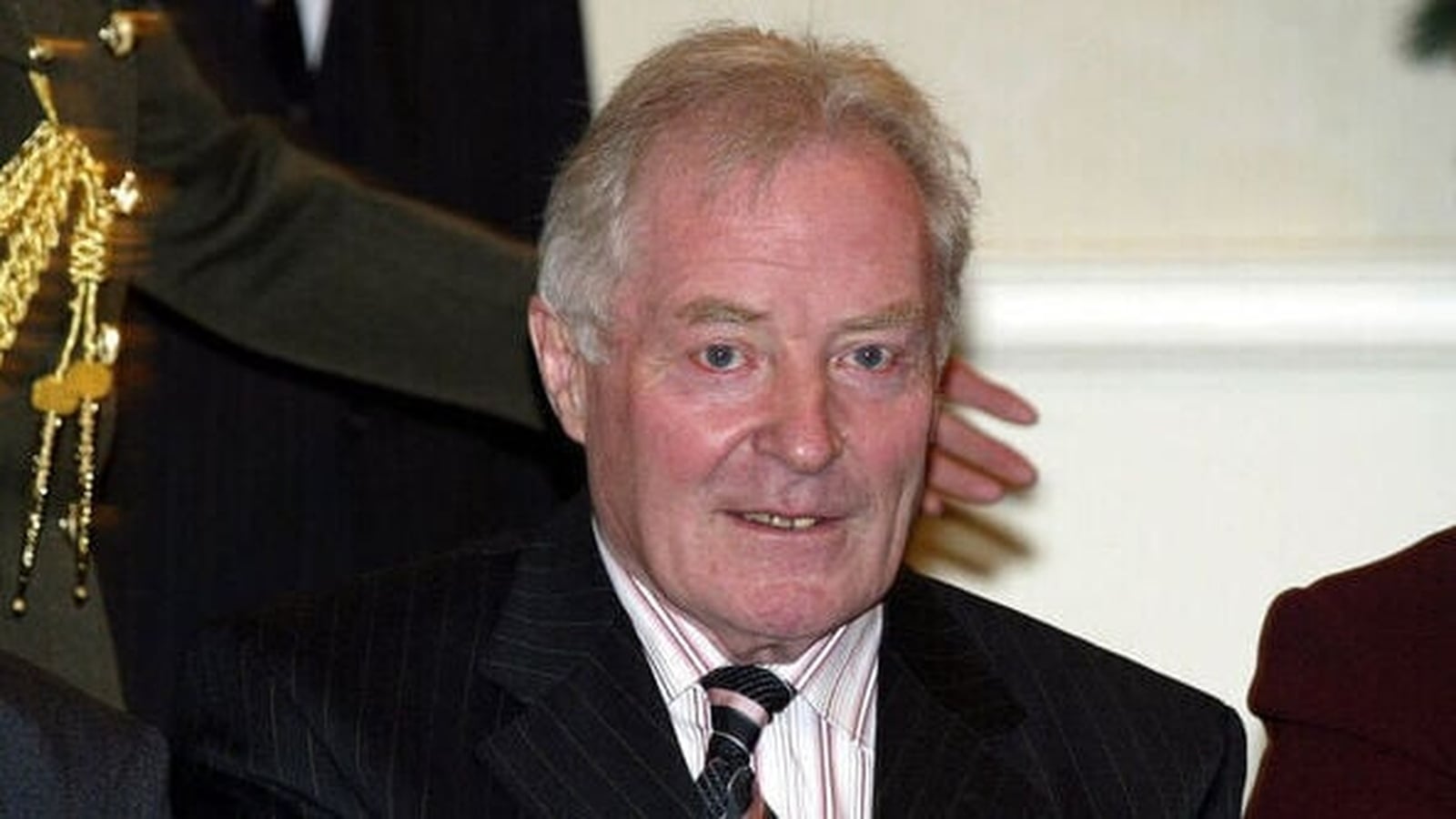
Dr Rory O'Hanlon, a former Fianna Fáil Minister for Health, Minister for the Environment, and Ceann Comhairle of Dáil Éireann, has died at the age of 92. His passing on 31 March 2026 prompted tributes from across the political spectrum, with Taoiseach Micheál Martin describing him as a "gifted doctor" and a man who was "in politics for all the right reasons."
O'Hanlon, who was also the father of actor and comedian Ardal O'Hanlon of Father Ted fame, served in Dáil Éireann from 1977 to 2011, representing the Cavan-Monaghan constituency for over three decades. His death marks the passing of one of the most experienced and quietly influential figures in twentieth-century Irish political life.
Background
Born in Dublin on 7 February 1934, Rory O'Hanlon studied medicine at University College Dublin before establishing himself as a general practitioner in Carrickmacross, Co Monaghan. He served as the medical representative on the North Eastern Health Board from 1970 until his election to the Dáil in 1977, when Fianna Fáil swept to power in a landslide victory under Jack Lynch. His background as a practising doctor gave him a perspective on public health policy that was grounded in clinical reality rather than political theory — a quality that would define his ministerial career.
O'Hanlon's political career spanned some of the most turbulent decades in Irish history, from the economic crises of the 1980s to the Celtic Tiger era and the restoration of the Good Friday Agreement institutions. He was a witness to, and participant in, the transformation of Ireland from a country beset by emigration and fiscal crisis to one of the most dynamic economies in Europe. His long service in the Dáil — 34 years in total — made him one of the most experienced parliamentarians of his generation.
Key Developments
O'Hanlon held several ministerial positions during his career. As Minister for Health from 1987 to 1991, he faced one of the most challenging periods in the history of the Irish health service, overseeing significant cuts to public spending during a period of severe fiscal constraint — a tenure that earned him the nickname "Dr Death" among critics, though supporters pointed to his introduction of legislation to curb smoking in public places as a lasting legacy. He subsequently served as Minister for the Environment from 1991 to 1992, before taking on parliamentary leadership roles, including eight years as chair of the Fianna Fáil parliamentary party and a term as Leas-Cheann Comhairle.
He served as Ceann Comhairle — the Speaker of the Dáil — from 2002 to 2007, a role in which he was required to maintain strict political neutrality and preside over the chamber with authority and fairness. Taoiseach Micheál Martin led the tributes, describing O'Hanlon as a "caring and empathetic man who sought to improve the lives of his patients and community" and a "natural problem-solver" who "cared passionately for his community and constituents." Sinn Féin TD Matt Carthy described him as a "pivotal figure" in the political and community life of Cavan-Monaghan, while SDLP leader Claire Hanna called him a "true friend" of the SDLP and a "steadfast opponent of those who used violence for political purposes."
Why It Matters
Rory O'Hanlon's career embodied a particular tradition of Irish public service — rooted in community, grounded in professional expertise, and committed to the democratic institutions of the state. His willingness to take on the difficult task of health service reform during a period of severe fiscal constraint, and his subsequent role as Ceann Comhairle, demonstrated a breadth of public service that is increasingly rare in modern politics. His death is a reminder of the generation of Irish politicians who shaped the country's institutions during some of its most challenging years.
He is survived by his wife Teresa and their six children: Fiona, Rory, Ardal, Neale, Shane, and Derbhla, as well as his grandchildren and great-grandchildren.
Local Impact
For the communities of Cavan and Monaghan, Rory O'Hanlon was more than a politician — he was a doctor, a neighbour, and a public servant in the fullest sense of the term. His constituency work over more than three decades left a lasting mark on the region, and his passing will be felt deeply by those who knew him personally. The border counties he represented have a particular resonance in the context of Irish political history, straddling the divide between North and South and bearing the scars of the Troubles more acutely than many other parts of the island. O'Hanlon's commitment to constitutional politics and his opposition to violence — noted by SDLP leader Claire Hanna in her tribute — reflected the values of a community that had lived through the worst of those years and emerged with its commitment to peace intact.
What's Next
Funeral arrangements were confirmed by the O'Hanlon family in the days following his death. Full tributes are available from RTÉ and The Irish Times.