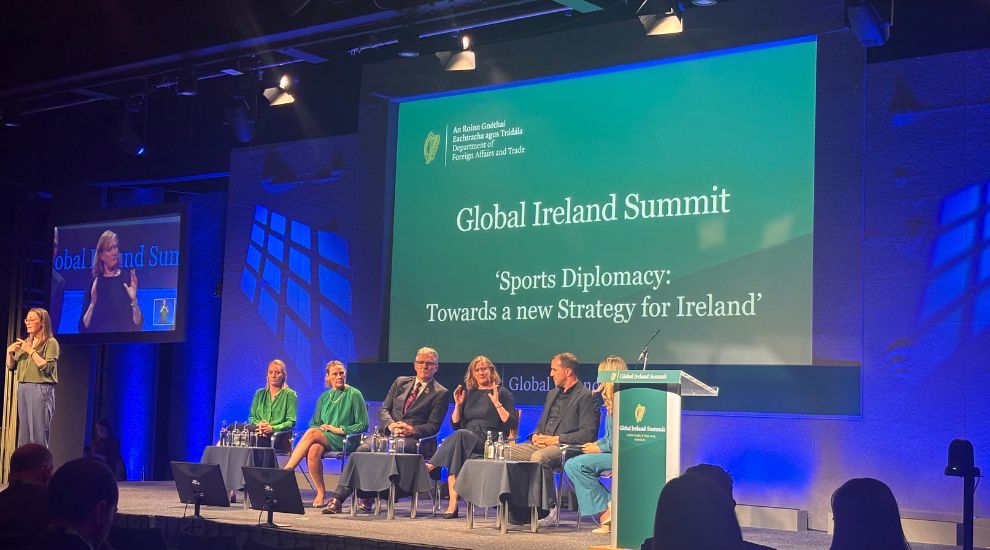
Ireland Launches €1 Million Sports Diplomacy Strategy to Strengthen Global Diaspora Ties
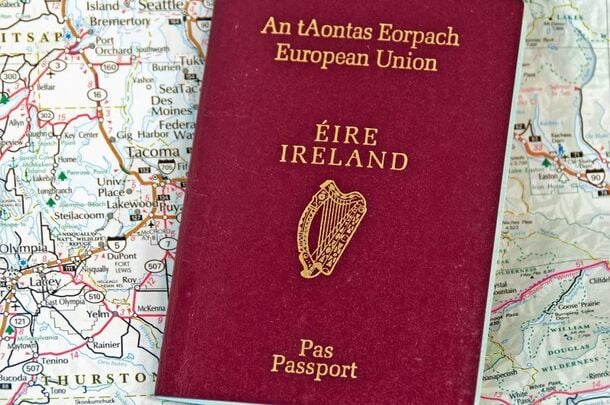
The Irish government has unveiled an ambitious International Sports Diplomacy Strategy, backed by a dedicated €1 million fund, that will deploy prominent Irish sports figures as official ambassadors to deepen connections with the estimated 70 million-strong global Irish diaspora and project Ireland's values and identity on the world stage — a move that represents the most structured use of sport as a foreign policy tool in the state's history.
Background
Ireland has long understood that its diaspora is one of its most powerful assets in international relations. From the corridors of the United States Congress to the boardrooms of Australian corporations and the cultural institutions of Britain, Irish-born and Irish-descended individuals occupy positions of influence that far exceed what a country of Ireland's size might otherwise command. However, successive governments have been criticised for failing to systematically leverage this network, relying instead on informal connections and the goodwill generated by cultural events such as St Patrick's Day celebrations.
The new sports diplomacy strategy represents a deliberate attempt to change that approach. Sport, and particularly Gaelic games, has always been central to Irish identity abroad, with GAA clubs serving as community anchors for Irish emigrants in cities from New York to Sydney and Dubai. The strategy recognises that Irish sporting success — from Rory McIlroy's dominance in golf to Katie Taylor's boxing achievements and the global reach of the GAA — creates natural opportunities for diplomatic engagement that have not always been fully exploited.
The initiative sits within the broader framework of Ireland's Diaspora Strategy 2026-2030, which was launched earlier this year and represents a significant evolution in how the state conceptualises its relationship with Irish communities abroad. Crucially, the new strategy expands the definition of the diaspora to include an 'affinity diaspora' — individuals who have no hereditary Irish connection but who have developed strong cultural, professional, or personal ties to Ireland through education, work, or travel.
Key Developments
The centrepiece of the sports diplomacy strategy is the 'Global Ireland Sports Leaders' programme, which will appoint up to six prominent Irish sports figures as official ambassadors for two-year terms. These individuals will represent Ireland at international sporting events, engage with diaspora communities, and participate in diplomatic and cultural initiatives in key markets identified by the Department of Foreign Affairs. The selection process for the inaugural cohort of ambassadors is expected to begin in the coming months, with appointments anticipated before the end of 2026.
The €1 million fund will support a range of activities, including the hosting of Irish sporting events in diaspora communities, the development of partnerships between Irish sports organisations and their counterparts in key markets, and the creation of digital content that showcases Irish sporting achievement to global audiences. The strategy also envisages closer cooperation between Sport Ireland, the GAA, the FAI, the IRFU, and other national governing bodies in delivering the diplomatic agenda.
The Department of Foreign Affairs has identified a number of priority markets for the strategy's initial phase, including the United States, Britain, Australia, Canada, and the Gulf states, where significant Irish communities and affinity networks exist. The strategy is also expected to support Ireland's bid to host major international sporting events in the coming years, with the diplomatic relationships built through the programme seen as valuable in securing votes and support from international sporting bodies.
Why It Matters
The sports diplomacy strategy matters because it represents a recognition that Ireland's soft power — its cultural influence and the goodwill it generates internationally — is a strategic asset that requires active management and investment. Countries such as Australia, New Zealand, and the United States have long used sport as a vehicle for diplomatic engagement, and Ireland's decision to formalise this approach places it in line with international best practice. The €1 million investment is modest by international standards, but it signals a commitment to building the infrastructure for a more systematic approach. For the diaspora communities that will be the primary beneficiaries, the strategy offers the prospect of a more structured and sustained engagement with the Irish state — one that goes beyond the annual St Patrick's Day visit from a minister and creates year-round connections through the shared language of sport.
Local Impact
Within Ireland itself, the strategy is expected to have tangible benefits for the sports organisations and communities that will be involved in its delivery. GAA clubs, rugby clubs, and athletics organisations that have existing links with diaspora communities will have access to new funding and support for international engagement activities. The appointment of Global Ireland Sports Leaders will also provide a platform for Irish athletes to extend their public roles beyond competition, contributing to their communities and to Ireland's international reputation in ways that complement their sporting careers. For young Irish people considering careers in sport, the strategy signals that athletic achievement can open doors to broader public service roles — a message that is likely to resonate with the next generation of Irish sporting talent.
What's Next
The Department of Foreign Affairs is expected to publish detailed guidelines for the Global Ireland Sports Leaders programme in the coming months, including the criteria for selection and the specific responsibilities of the ambassador role. Sport Ireland will oversee the administration of the €1 million fund, with applications from sports organisations expected to open in the autumn. The first cohort of ambassadors is anticipated to be announced before the end of 2026, with their initial engagements planned to coincide with major international sporting events in early 2027. A review of the strategy's impact is planned for 2028, which will inform decisions about whether to expand the programme and increase its funding in subsequent years.