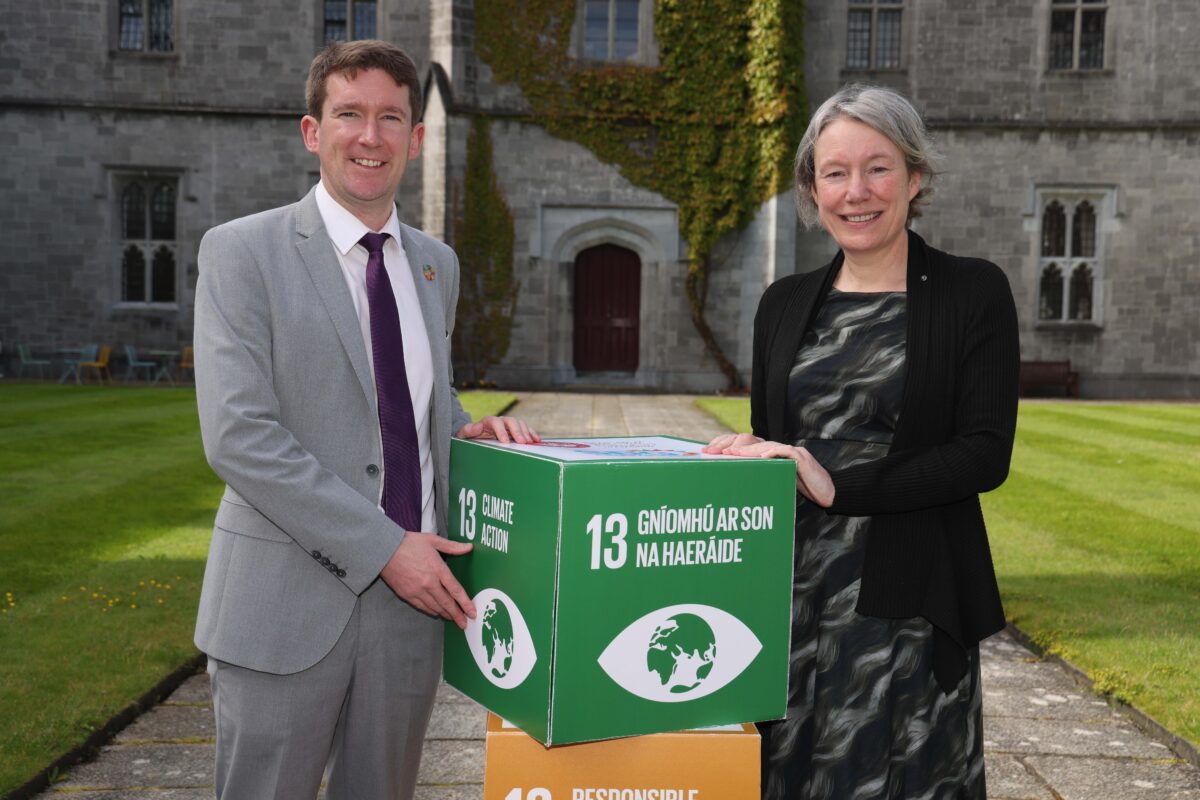
University of Galway Named Ireland's Most Sustainable for Fifth Year Running
The University of Galway has been confirmed as Ireland's most sustainable university for the fifth consecutive year, with the institution also achieving a top-ten global ranking for responsible consumption and production — a double recognition that places it firmly among the world's leading higher education institutions in the field of environmental stewardship.
Background
The Times Higher Education Impact Rankings, which assess universities against the United Nations Sustainable Development Goals (SDGs), have become the most widely recognised measure of how higher education institutions are contributing to global sustainability targets. Unlike traditional university rankings, which focus primarily on research output and academic reputation, the Impact Rankings evaluate institutions on criteria ranging from energy use and waste management to community engagement and responsible governance.
The University of Galway first appeared in the top tier of these rankings in 2021, when it was recognised as Ireland's leading institution for sustainability. In the years since, it has consistently maintained and strengthened that position, building a reputation that extends well beyond the island of Ireland. The university's approach has been characterised by a commitment to embedding sustainability across all aspects of campus life — from curriculum design and research priorities to procurement, transport, and energy infrastructure.
Ireland's higher education sector has faced increasing pressure to demonstrate its commitment to climate action, particularly as the country works to meet its legally binding emissions reduction targets. The University of Galway's sustained performance in the Impact Rankings has provided a benchmark for other Irish institutions and has attracted significant attention from international partners seeking to collaborate on sustainability research.
Key Developments
The latest rankings confirm the University of Galway's position in the global top ten for SDG 12, which covers responsible consumption and production. This is a particularly demanding category, assessing how institutions manage their own resource use, support sustainable supply chains, and educate students and staff about sustainable consumption patterns. A top-ten global ranking in this area places the university alongside some of the world's most prestigious institutions.
The university's sustainability office has pointed to several specific initiatives that have contributed to the ranking. These include a comprehensive energy retrofit programme across the campus estate, a significant expansion of renewable energy generation, a food waste reduction programme in campus catering facilities, and a sustainable procurement policy that prioritises local and environmentally responsible suppliers. The university has also integrated sustainability modules into degree programmes across multiple faculties, ensuring that graduates leave with a grounding in environmental responsibility regardless of their discipline.
University president Professor Ciarán Ó hÓgartaigh described the recognition as a reflection of the collective effort of staff, students, and the wider university community. Student sustainability advocates have been particularly active in driving change, with the university's student union playing a central role in campaigns to reduce single-use plastics, promote active travel, and increase biodiversity on the campus grounds.
Why It Matters
A fifth consecutive year at the top of the Irish sustainability rankings is not simply a matter of institutional pride. It signals that the University of Galway has embedded sustainability into its core operations in a way that is durable and self-reinforcing, rather than dependent on any single initiative or individual champion. This is the harder achievement — maintaining momentum and improving performance year on year, even as the criteria become more demanding and the competition from other institutions intensifies.
For Ireland more broadly, the university's performance is a source of genuine national pride at a time when the country's climate credentials are under scrutiny. Ireland has consistently struggled to meet its EU emissions reduction targets, and the higher education sector has a particular responsibility to model the behaviours and practices it teaches. The University of Galway's record demonstrates that ambitious sustainability goals are achievable within the constraints of a publicly funded institution.
The global top-ten ranking for responsible consumption also has practical implications for the university's research partnerships and funding applications. International bodies and philanthropic foundations increasingly prioritise institutions with strong sustainability credentials when allocating research grants, and the ranking strengthens the university's position in competitive funding rounds.
Local Impact
In Galway city and county, the university's sustainability leadership has tangible effects on the local community. The institution is one of the largest employers in the west of Ireland, and its procurement and energy policies have a measurable impact on local businesses and supply chains. The university's active travel initiatives — including expanded cycling infrastructure and partnerships with Galway's public transport providers — have contributed to a broader shift in commuting patterns in the city.
The university's biodiversity projects, which have transformed sections of the campus into managed wildflower meadows and native woodland, have also become a resource for local schools and community groups. Several primary schools in the Galway area have partnered with the university's sustainability office to develop environmental education programmes, creating a direct link between the institution's work and the next generation of citizens.
What's Next
The University of Galway has committed to achieving carbon neutrality across its campus operations by 2030, a target that will require continued investment in renewable energy, building retrofits, and sustainable transport. The university is currently developing a new sustainability strategy for the period 2026 to 2030, which will be published later this year following a consultation with staff, students, and community stakeholders. The institution is also exploring opportunities to expand its sustainability research partnerships with universities in Europe, North America, and the Global South, building on the international recognition that the Impact Rankings have brought.