Irish Passport Holds Its Place Among the World's Most Powerful Travel Documents
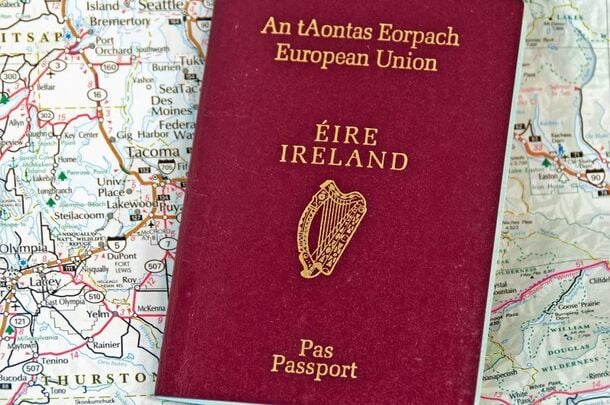
The Irish passport has maintained its position as the fourth most powerful travel document in the world, according to the latest Henley Passport Index, granting Irish citizens visa-free or visa-on-arrival access to 185 countries — a ranking that reflects both Ireland's diplomatic standing and the practical benefits of EU membership for the island's 5.1 million citizens and the tens of millions more who hold Irish nationality abroad.
Background
The Henley Passport Index, compiled by the London-based global citizenship and residence advisory firm Henley and Partners, is the most widely cited measure of passport strength worldwide. It ranks the travel documents of 199 countries based on the number of destinations their holders can access without requiring a visa in advance. The index is updated quarterly and draws on data from the International Air Transport Authority (IATA), making it the most comprehensive and regularly updated ranking of its kind.
Ireland's passport has consistently ranked among the world's most powerful documents, a position that reflects the country's membership of the European Union, its extensive network of bilateral visa agreements, and its reputation as a politically neutral and diplomatically active state. The Irish passport is particularly valued by members of the global Irish diaspora — estimated at 70 million people worldwide — many of whom hold dual nationality and use their Irish passport as their primary travel document.
The ranking has taken on added significance in recent years as geopolitical tensions have led to the restriction of travel documents from several major nations. The contrast between the freedom of movement afforded to Irish passport holders and the restrictions faced by citizens of countries with lower-ranked documents has made the Irish passport an increasingly sought-after document, particularly among those eligible for citizenship through descent.
Key Developments
The 2026 ranking places Ireland in fourth position globally, alongside several other major European nations. The top three positions are held by countries whose citizens can access 186 or more destinations without a visa. Ireland's 185-country access represents a slight improvement on its position five years ago, reflecting the ongoing expansion of Ireland's bilateral visa agreements and the EU's diplomatic efforts to secure visa liberalisation with additional countries.
The Department of Foreign Affairs has noted that the ranking is a direct result of Ireland's active engagement in international diplomacy and its commitment to multilateralism. Ireland's membership of the EU provides automatic access to the Schengen Area and the broader framework of EU visa agreements, while the country's own bilateral relationships — particularly with the United States, Canada, Australia, and a range of Asian and African nations — add further destinations to the list.
The Passport Office has reported a sustained increase in applications for Irish passports in recent years, driven both by the growth of the diaspora seeking to formalise their citizenship and by the practical advantages of holding a document that provides such extensive global access. The online passport renewal system, which was significantly expanded during the pandemic, has processed millions of applications and has been cited as a model of digital public service delivery.
Why It Matters
The strength of a passport is not merely a matter of convenience for holidaymakers. It is a measure of a nation's standing in the world, its diplomatic relationships, and the trust that other countries place in its citizens. For Ireland, a country with a history of emigration and a diaspora spread across every continent, the power of the passport has profound practical and symbolic significance.
For Irish businesses operating internationally, the ease of travel afforded by the passport reduces friction in commercial relationships and makes Ireland a more attractive base for multinational operations. For the estimated 30,000 Irish citizens who return to Ireland each year after periods abroad, the passport's global reach has often been a factor in their decision to maintain their Irish citizenship during their time overseas. And for the hundreds of thousands of people who apply for Irish citizenship through descent each year, the ranking is a powerful incentive.
The ranking also has implications for Ireland's soft power — its ability to influence international affairs through attraction rather than coercion. A passport that opens doors across 185 countries is a tangible expression of Ireland's global relationships and its reputation as a trustworthy, law-abiding, and diplomatically engaged state.
Local Impact
For Irish citizens planning summer travel, the ranking is a practical reassurance that their passport will be accepted without difficulty at the vast majority of international destinations. The Passport Office has urged anyone planning to travel in the coming months to check the validity of their document well in advance, noting that many countries require a minimum of six months' validity beyond the planned date of return.
In Northern Ireland, where many residents hold both Irish and British passports, the ranking has particular resonance. The Irish passport's EU membership benefits — including the right to live and work across the EU — have made it an increasingly popular choice for Northern Irish residents since the United Kingdom's departure from the European Union. The number of Northern Irish residents applying for Irish passports has remained at historically high levels, with the Passport Office in Belfast processing tens of thousands of applications annually.
What's Next
The Department of Foreign Affairs is expected to publish its annual report on consular services later this summer, which will include updated figures on passport applications and the work of Irish embassies and consulates worldwide. Ireland's EU Presidency, which began on July 1, 2026, is expected to include diplomatic engagement on visa liberalisation agreements with several additional countries, which could further strengthen the passport's ranking in future editions of the Henley Index. The Passport Office has also indicated that it is exploring further improvements to its digital services, with a new mobile application for passport tracking expected to launch before the end of the year.