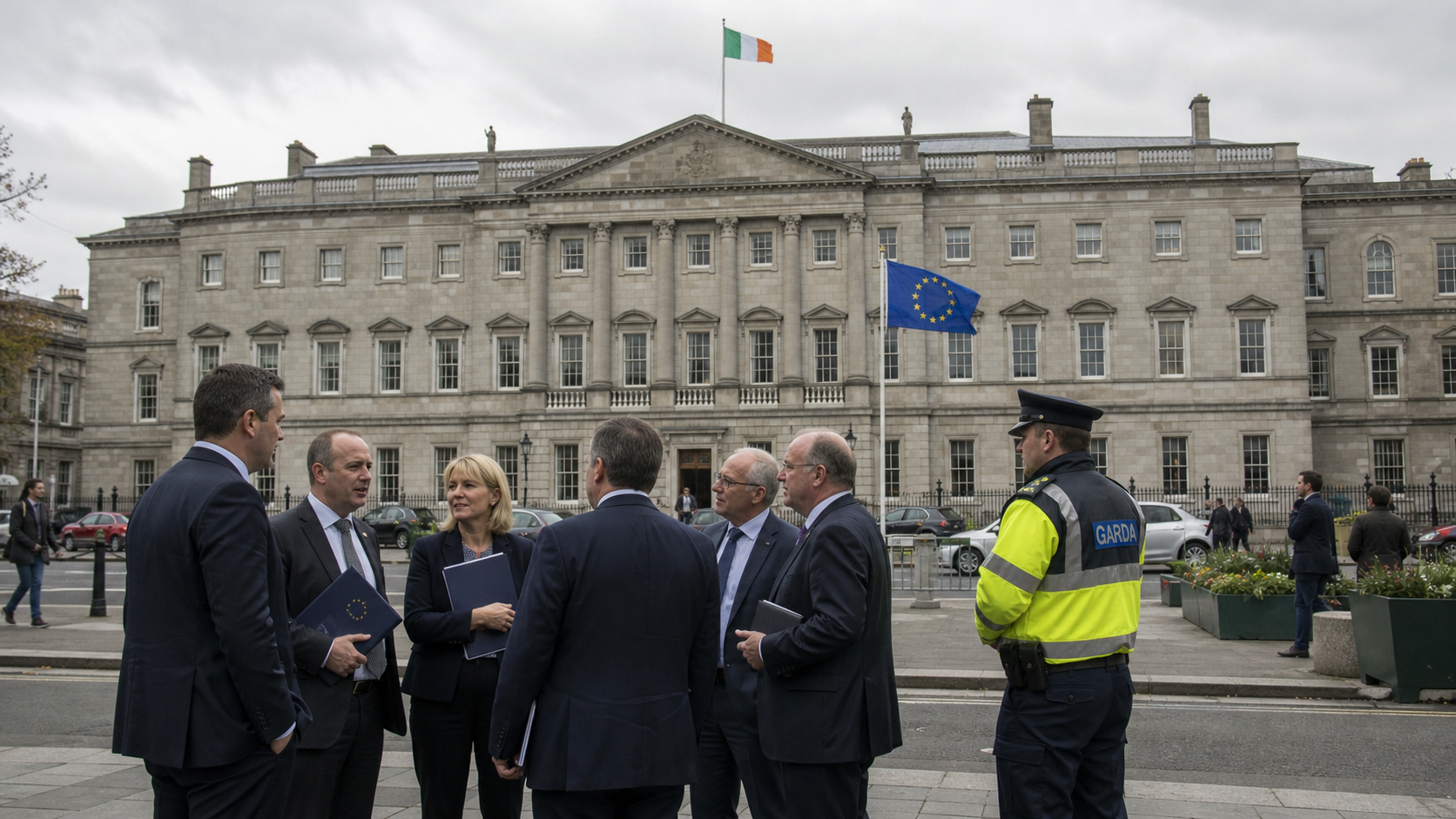
Ireland 'Decades Behind' Europe on Intelligence and Security as EU Presidency Looms
Ireland is "decades behind" its European partners in intelligence gathering and its contribution to EU security structures, according to a new assessment that has reignited debate about the country's defence posture and its obligations as a member of the European Union at a time of heightened geopolitical tension across the continent.
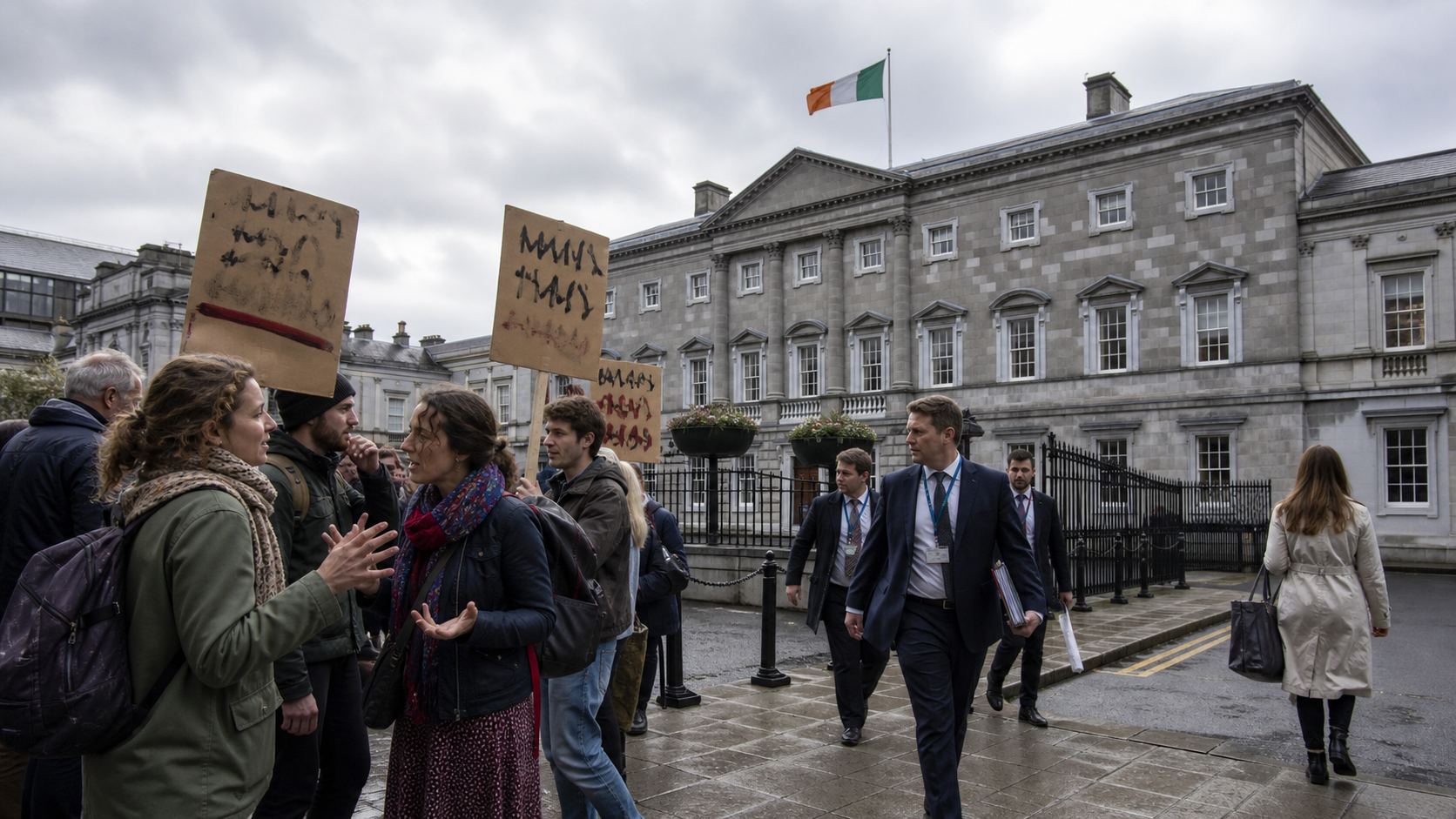
The findings, which have been circulating among senior officials and defence analysts, come as Ireland prepares to take on the EU Council Presidency and as the government's decision to appoint its first-ever defence attachés to embassies in London, Paris, and Washington DC signals a gradual evolution in Irish foreign and security policy. However, critics argue that the pace of change remains far too slow given the scale of the challenge.
Background
Ireland's approach to defence and security has been shaped by its policy of military neutrality, which dates to the Second World War and has been a defining feature of Irish foreign policy ever since. The policy, which is enshrined in the "triple lock" mechanism that requires UN, government, and Dáil approval for the deployment of Irish troops overseas, has broad public support and has been a source of national pride for generations of Irish people.
However, the policy has also meant that Ireland has developed relatively limited intelligence gathering capabilities and has made a relatively modest contribution to EU security structures compared to other member states. While Ireland participates in EU Common Security and Defence Policy missions and has contributed to peacekeeping operations under the UN flag, it has not developed the kind of national intelligence architecture that most of its EU partners take for granted.
The geopolitical context has changed dramatically in recent years. Russia's invasion of Ukraine in 2022, the ongoing conflict in the Middle East, and the growing assertiveness of China have all contributed to a reassessment of European security across the continent. EU member states have significantly increased their defence spending, and the EU itself has developed new security and defence instruments that require member states to contribute more actively to collective security.
Key Developments
The assessment that Ireland is "decades behind" its partners in intelligence gathering reflects a structural deficit that has accumulated over many years of underinvestment in defence and security capabilities. Ireland's intelligence services — principally the Garda Síochána's Security and Intelligence Branch and the Defence Forces' Directorate of Military Intelligence — are significantly smaller and less well-resourced than their counterparts in comparable EU member states.
The government's decision to appoint defence attachés to embassies in London, Paris, and Washington DC, announced earlier this week, is a recognition of this deficit and a first step towards addressing it. The attachés, who will be of Colonel rank, will serve as bilateral points of contact with partner armed forces and will provide strategic defence intelligence to the Irish government. However, analysts have noted that three attachés represent a very modest beginning and that a comprehensive upgrade of Ireland's intelligence capabilities will require sustained investment over many years.
The report's findings have prompted calls from opposition politicians and defence analysts for a more fundamental review of Ireland's defence posture, including a reconsideration of the triple lock mechanism and a significant increase in defence spending. Ireland currently spends approximately 0.2% of GDP on defence, one of the lowest rates in the EU, compared to the NATO target of 2% that most EU member states are now working towards.
Why It Matters
The question of Ireland's defence posture is one of the most complex and sensitive in Irish public life, touching as it does on deeply held values about neutrality, sovereignty, and Ireland's place in the world. The policy of military neutrality has served Ireland well in many respects, allowing it to play a distinctive role in international peacekeeping and diplomacy. But the world in which that policy was developed has changed fundamentally, and the question of whether Ireland's current approach is adequate to the security challenges of the 21st century is one that demands serious engagement.
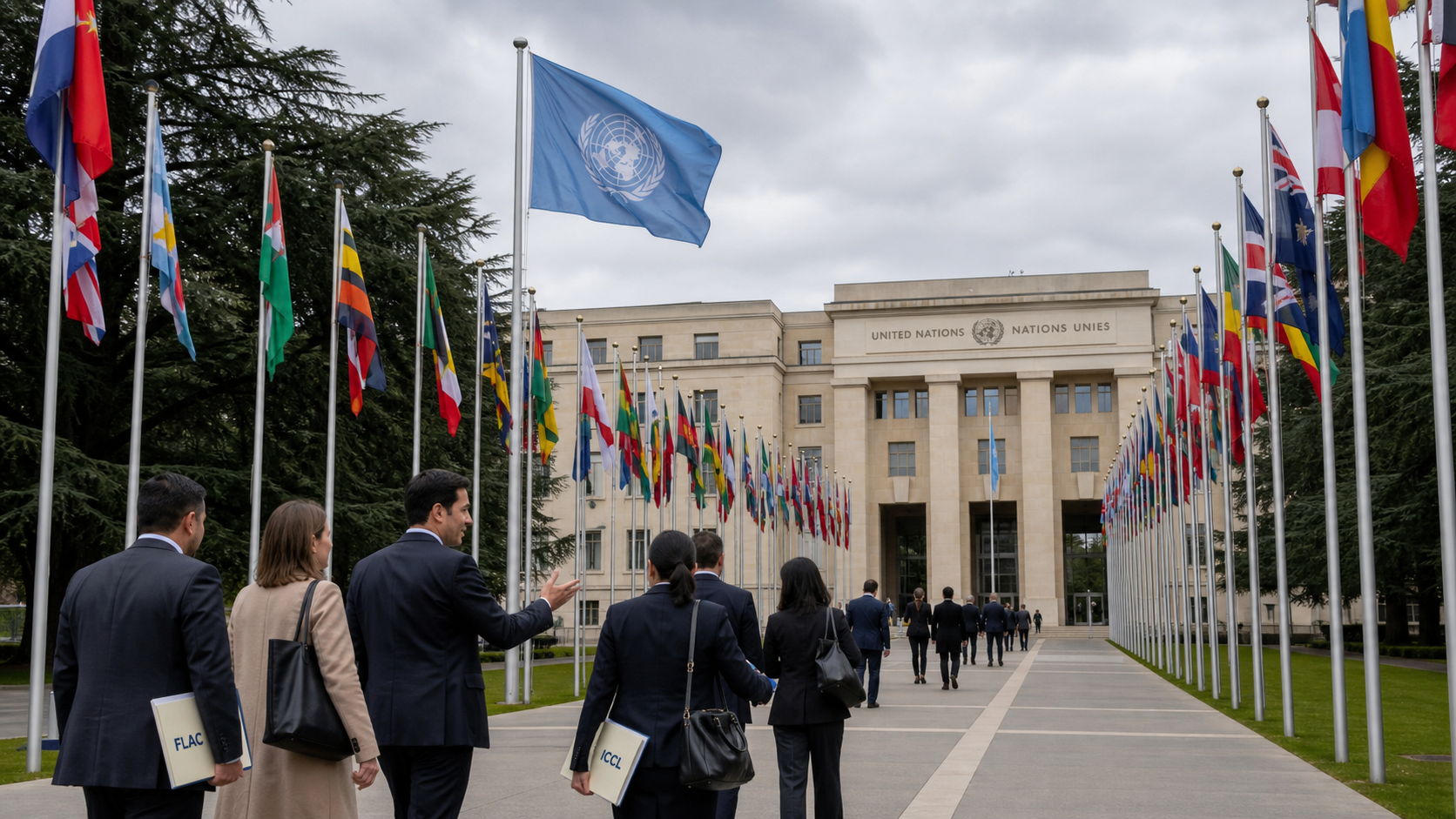
The EU's evolving security architecture is placing increasing demands on member states to contribute to collective security, and Ireland's ability to participate meaningfully in that architecture is constrained by its limited intelligence and defence capabilities. As Ireland prepares to take on the EU Council Presidency, the gap between its security capabilities and those of its partners is likely to become more visible and more politically significant.
The appointment of defence attachés is a positive step, but it is a small one. A comprehensive upgrade of Ireland's intelligence and defence capabilities will require political will, sustained investment, and a public conversation about the kind of security posture that Ireland wants to adopt in a more dangerous world. That conversation has barely begun.
Local Impact
The debate about Ireland's defence posture has particular resonance in communities that host Defence Forces installations, including the Curragh Camp in County Kildare, Casement Aerodrome in Baldonnel, and the Naval Service base in Haulbowline, County Cork. These communities have a direct stake in the future of the Defence Forces and in the investment decisions that will determine their capacity and capability in the years ahead. The government's defence review, which is ongoing, is expected to make recommendations on the future of these installations and on the overall structure of the Defence Forces.
What's Next
The government's defence review is expected to report in late 2026, with recommendations on defence spending, capability development, and Ireland's contribution to EU security structures. The review is being conducted against the backdrop of the EU's own defence planning processes, and its findings are likely to be shaped by the evolving demands of EU membership. The appointment of the first defence attachés is expected to be completed by the end of 2026, with the officers taking up their posts in London, Paris, and Washington DC in early 2027.