Ireland Chairs Emergency EU Meeting on Ceuta Crisis as Presidency Faces First Major Test
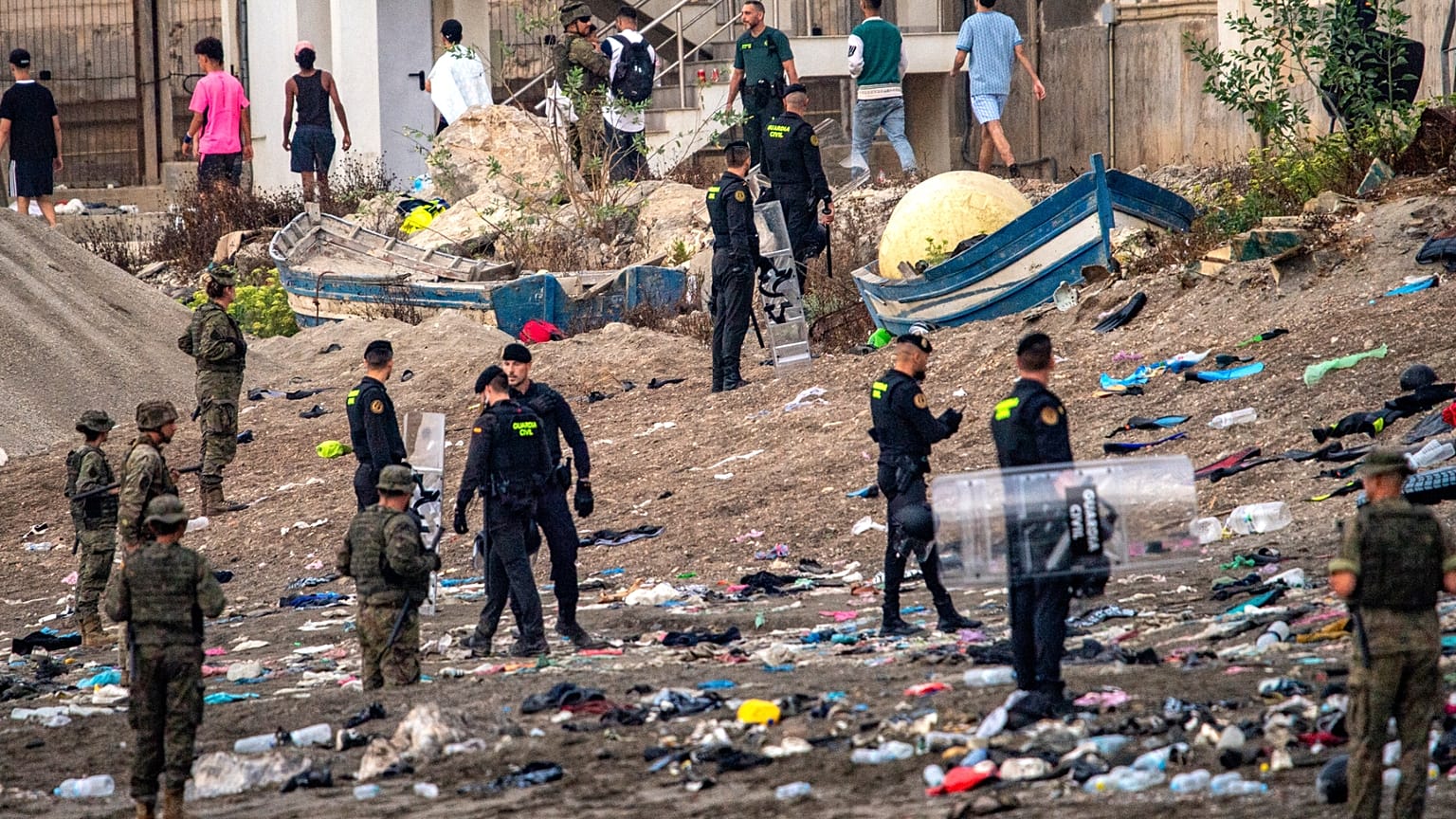
Ireland has convened an emergency meeting of EU Justice and Home Affairs ministers to coordinate a European response to the Ceuta migration crisis, in which between 50,000 and 60,000 migrants crossed from Morocco into the Spanish North African enclave in a single weekend, resulting in at least 86 deaths and exposing deep divisions within the European Union about how to respond to large-scale irregular migration.
Background
Ireland assumed the rotating presidency of the Council of the European Union in July 2026, with a programme focused on EU values, competitiveness, and security. The Ceuta crisis, which erupted between July 30 and July 31, was not on that programme — it was the kind of sudden, large-scale emergency that tests the capacity of any presidency to manage competing pressures while maintaining the cohesion of the bloc.
Ceuta is a Spanish enclave on the northern coast of Morocco, separated from the Spanish mainland by the Strait of Gibraltar. It has been a flashpoint for irregular migration for decades, with migrants from sub-Saharan Africa and North Africa regularly attempting to cross the border fence or swim around it to reach European territory. The scale of the July 30-31 crossing — tens of thousands of people in a matter of hours — was unprecedented and overwhelmed the Spanish authorities' capacity to manage the situation.
The immediate human cost was severe. At least 86 people died, with casualties occurring through drowning and crushing at the border barriers. Spanish authorities reported that the vast majority of those who had entered had been returned to Morocco within days, and that no migrants had successfully reached the Spanish mainland or other parts of the Schengen area. But the political fallout within the EU was immediate and intense.
Key Developments
The Irish presidency's response unfolded in three stages. First, Minister for Justice Jim O'Callaghan requested a meeting of the EU's Integrated Political Crisis Response mechanism, which took place on Saturday August 1 and confirmed that the immediate situation was largely under control. Second, a meeting of EU ambassadors was convened to discuss enhanced border support and the potential deployment of Frontex, the EU's border agency. Third, an extraordinary meeting of the Justice and Home Affairs Council was called for Tuesday August 4, to be chaired by O'Callaghan, to finalise the EU's strategic approach to the crisis.
The political dynamics within the EU were complicated. Italy advocated for aggressive measures, including the temporary suspension of Spain from the Schengen free-travel area — a proposal that Spanish Prime Minister Pedro Sánchez condemned as "selfish, polarising and unlawful." Denmark also voiced support for considering a Schengen suspension, while Finland indicated it might restore internal border checks. Twenty-two of the 27 EU member states signed an open letter to European Commission President Ursula von der Leyen, European Council President Antonio Costa, and Taoiseach Micheál Martin, requesting an urgent meeting to address border security and provide additional support to Spain.
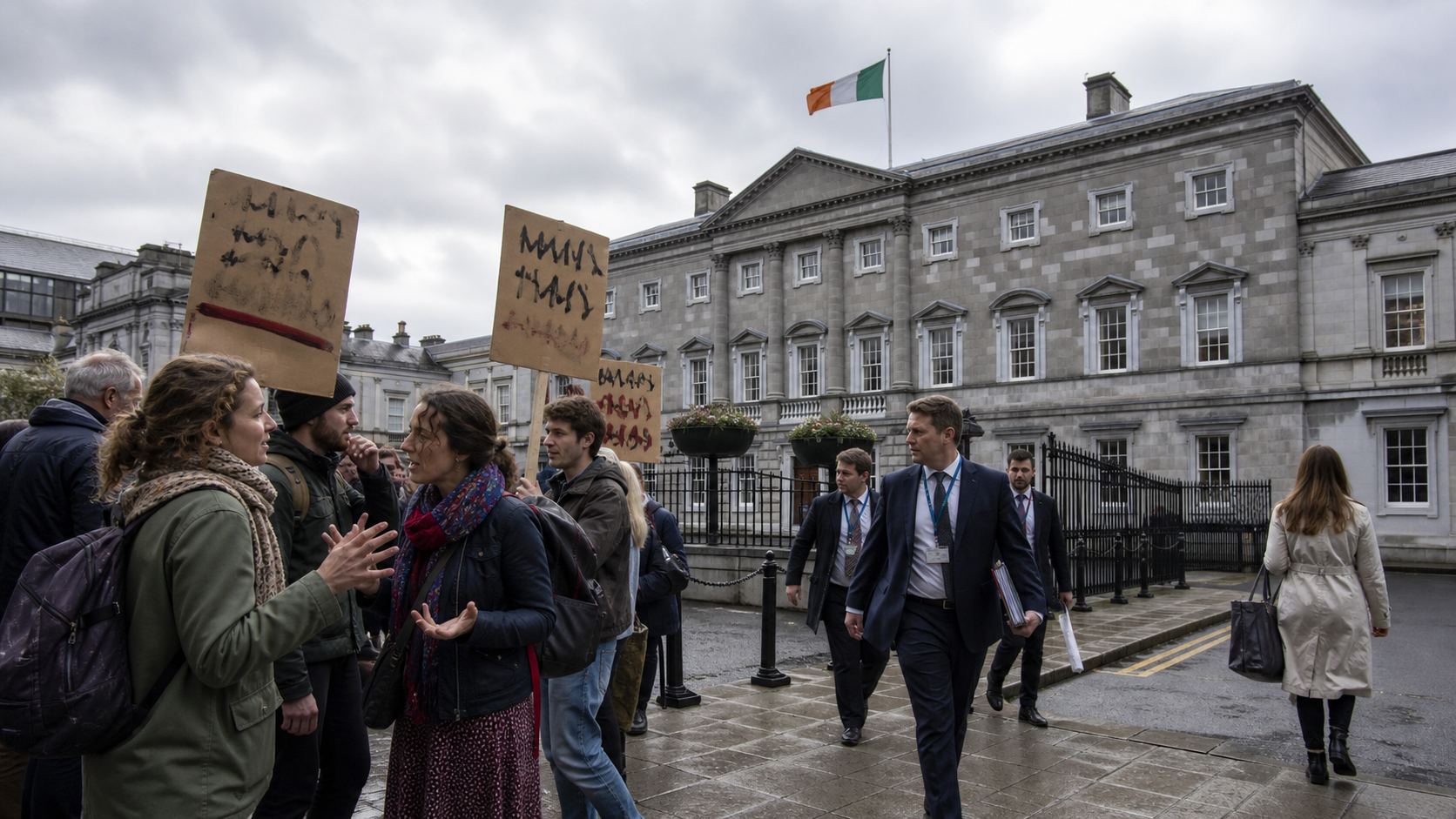
Ireland convened a meeting of EU ministers to discuss the crisis, with Taoiseach Martin emphasising the need for a measured, coordinated response that respects both the security concerns of member states and the humanitarian obligations of the EU.
Why It Matters
The Ceuta crisis is the first major test of Ireland's EU presidency, and the manner in which it is managed will shape perceptions of Ireland's capacity to lead the bloc through difficult moments. The Irish presidency has a reputation for competent, consensus-building management of EU business — a reputation built over previous presidencies — and the Ceuta crisis provides an opportunity to demonstrate those qualities under pressure.
The crisis also exposes the fundamental tensions within the EU's approach to migration that have been building for years. The Schengen area, which allows free movement across most of the EU, is predicated on the assumption that the bloc's external borders are effectively managed. When that assumption is challenged — as it was dramatically in Ceuta — the political pressure on member states to restore internal border controls intensifies, threatening one of the EU's most significant achievements.
Ireland's position as presidency holder gives it a unique opportunity to shape the EU's response in a way that reflects its own values — including a commitment to humanitarian principles and a scepticism of the more punitive approaches advocated by some member states. Whether that opportunity can be translated into a durable policy outcome remains to be seen.
Local Impact
The Ceuta crisis has a direct relevance for Ireland beyond its role as EU presidency holder. Ireland is not a member of the Schengen area, but it is deeply integrated into the EU's migration and asylum system, and the political dynamics generated by the crisis will inevitably affect the legislative agenda that Ireland is managing as presidency holder. The extraordinary JHA Council meeting on Tuesday will be a significant moment for Minister O'Callaghan, who will need to demonstrate the kind of diplomatic skill and political judgement that the presidency demands.
What's Next
The extraordinary JHA Council meeting on Tuesday August 4 is the immediate next step, with O'Callaghan expected to chair a discussion that will attempt to find common ground between member states with very different views on how to respond to the crisis. The European Commission is expected to present proposals for enhanced Frontex deployment and additional support for Spain in the coming days. The longer-term question of whether the Ceuta crisis will accelerate the development of a new EU migration pact — or deepen the divisions that have prevented agreement on such a pact for years — will play out over the coming months of Ireland's presidency.