The Irish government has formally prohibited two senior Israeli ministers from entering the country, in a move that marks one of the most significant diplomatic actions taken by Dublin in recent years and reflects the depth of Irish public feeling about the ongoing conflict in Gaza.
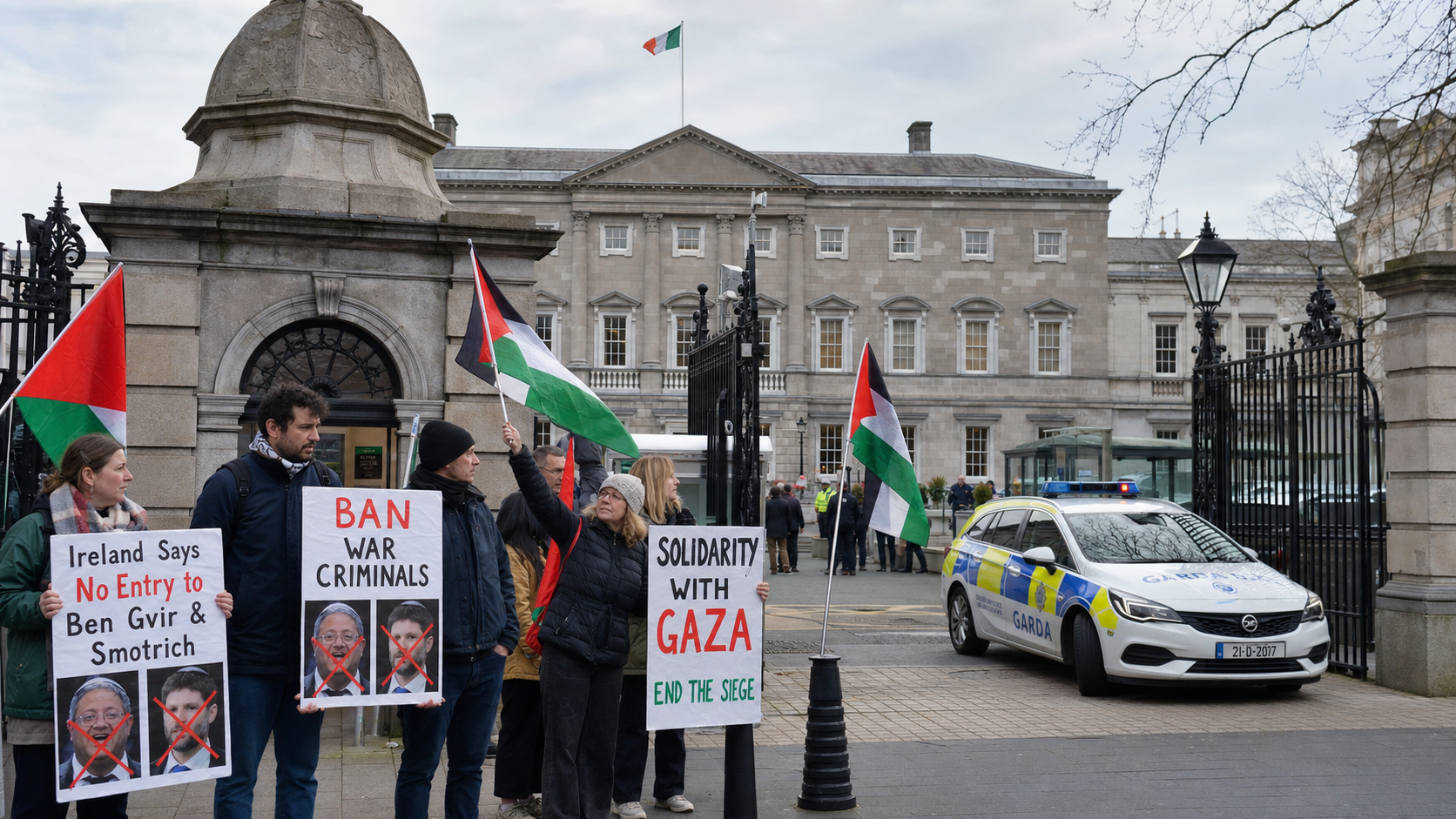
Minister of National Security Itamar Ben Gvir and Finance Minister Bezalel Smotrich have been officially barred from entering Ireland, the Department of Foreign Affairs confirmed on Thursday. The decision was taken in response to statements made by both ministers regarding Palestinians and their conduct toward activists involved in the 2026 Global Sumud Flotilla, an international solidarity mission that sought to break the blockade of Gaza.
Tánaiste and Minister for Foreign Affairs Micheál Martin announced the measure in the Dáil, stating that the government had concluded that the presence of both ministers in Ireland would be contrary to the public interest and inconsistent with Ireland's values and foreign policy commitments. "The statements and actions of these individuals have been deeply offensive and represent a fundamental disregard for human rights and international law," he told the chamber.
The decision was welcomed by Sinn Féin, the Social Democrats, and People Before Profit, all of whom had called for stronger action against Israel in recent months. Sinn Féin's foreign affairs spokesperson described the ban as "long overdue" and called on the government to go further by expelling the Israeli ambassador and imposing economic sanctions.
Fine Gael expressed reservations about the move, with several party figures warning that it could complicate Ireland's relationships with key allies, including the United States, and potentially damage the country's reputation as a neutral and open diplomatic actor. The party's foreign affairs spokesperson called for a measured and proportionate response that did not undermine Ireland's broader international standing.
The Israeli embassy in Dublin issued a statement describing the ban as "deeply regrettable" and "politically motivated," arguing that it would do nothing to advance peace in the Middle East and would only serve to isolate Ireland from constructive diplomatic engagement. The embassy called on the Irish government to reconsider its decision and to engage through dialogue rather than exclusion.
The move comes against a backdrop of intense public debate in Ireland about the country's response to the conflict in Gaza. Ireland was among the first European nations to formally recognise the State of Palestine, and public opinion polls have consistently shown strong support for Palestinian rights among the Irish electorate.
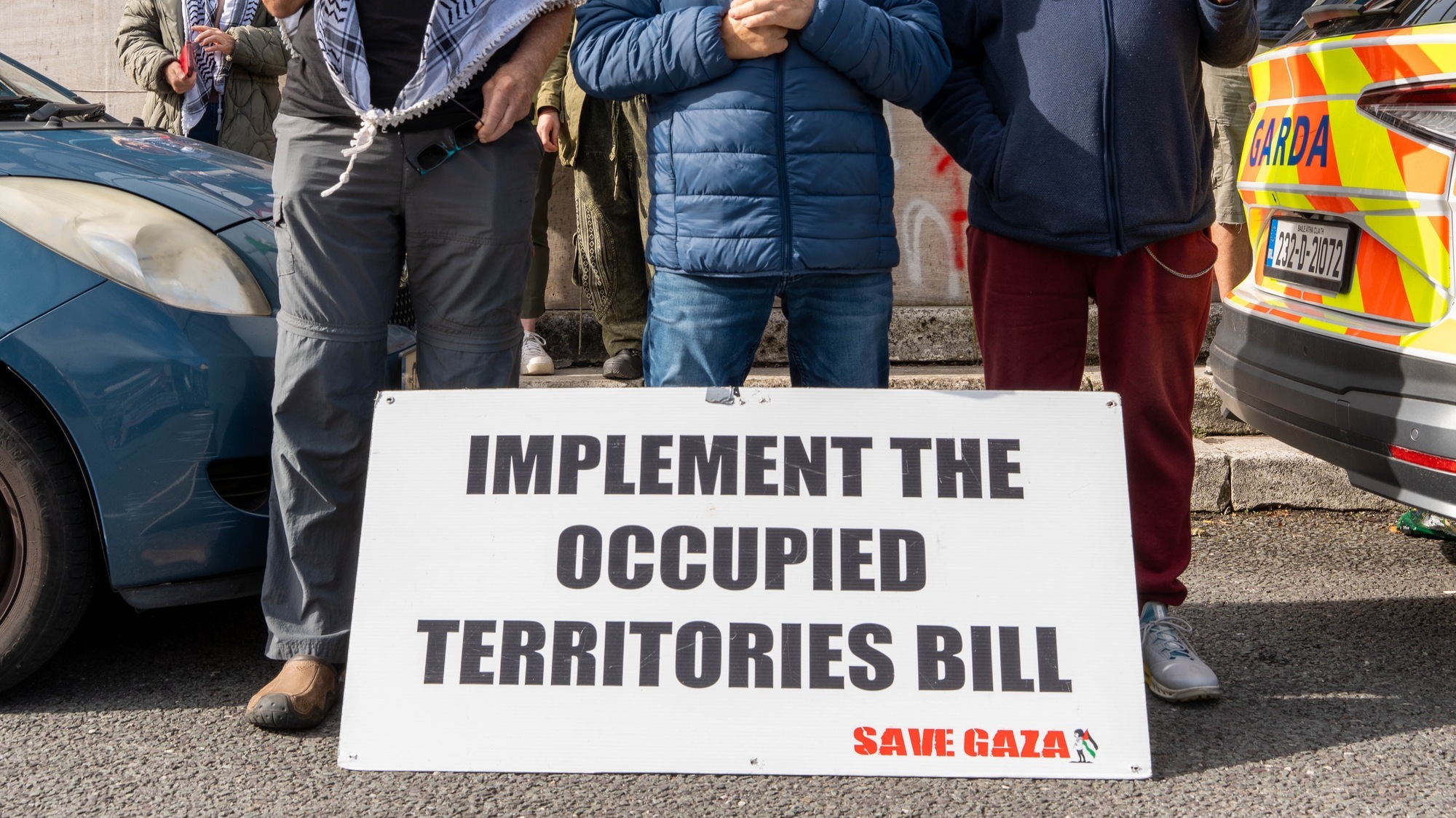
The Occupied Territories Bill, which seeks to ban trade with Israeli settlements in the West Bank, has also been a source of significant political controversy in recent weeks, with the government facing criticism for excluding services from the scope of the legislation. The ban on Ben Gvir and Smotrich is likely to be seen by some as an attempt to demonstrate the government's commitment to its stated foreign policy principles.
Legal experts noted that the decision to bar foreign nationals from entering Ireland is a relatively rare exercise of executive power, and that the government would need to be confident of its legal basis for the measure. The Department of Foreign Affairs indicated that the decision had been taken following careful legal advice and in accordance with Ireland's obligations under international law.
The ban has attracted significant international media attention, with outlets across Europe and the United States reporting on Ireland's increasingly assertive stance on the Israeli-Palestinian conflict. Several other European governments have been watching Dublin's approach closely, with some indicating that they may consider similar measures if the situation in Gaza does not improve.
The decision has also been welcomed by a number of prominent Irish civil society organisations, including Amnesty International Ireland and the Ireland Palestine Solidarity Campaign, both of which have been calling for stronger government action on the Israeli-Palestinian conflict for several years. Both organisations described the ban as an important signal but called on the government to take further steps, including the imposition of economic sanctions and the suspension of all arms-related trade with Israel.
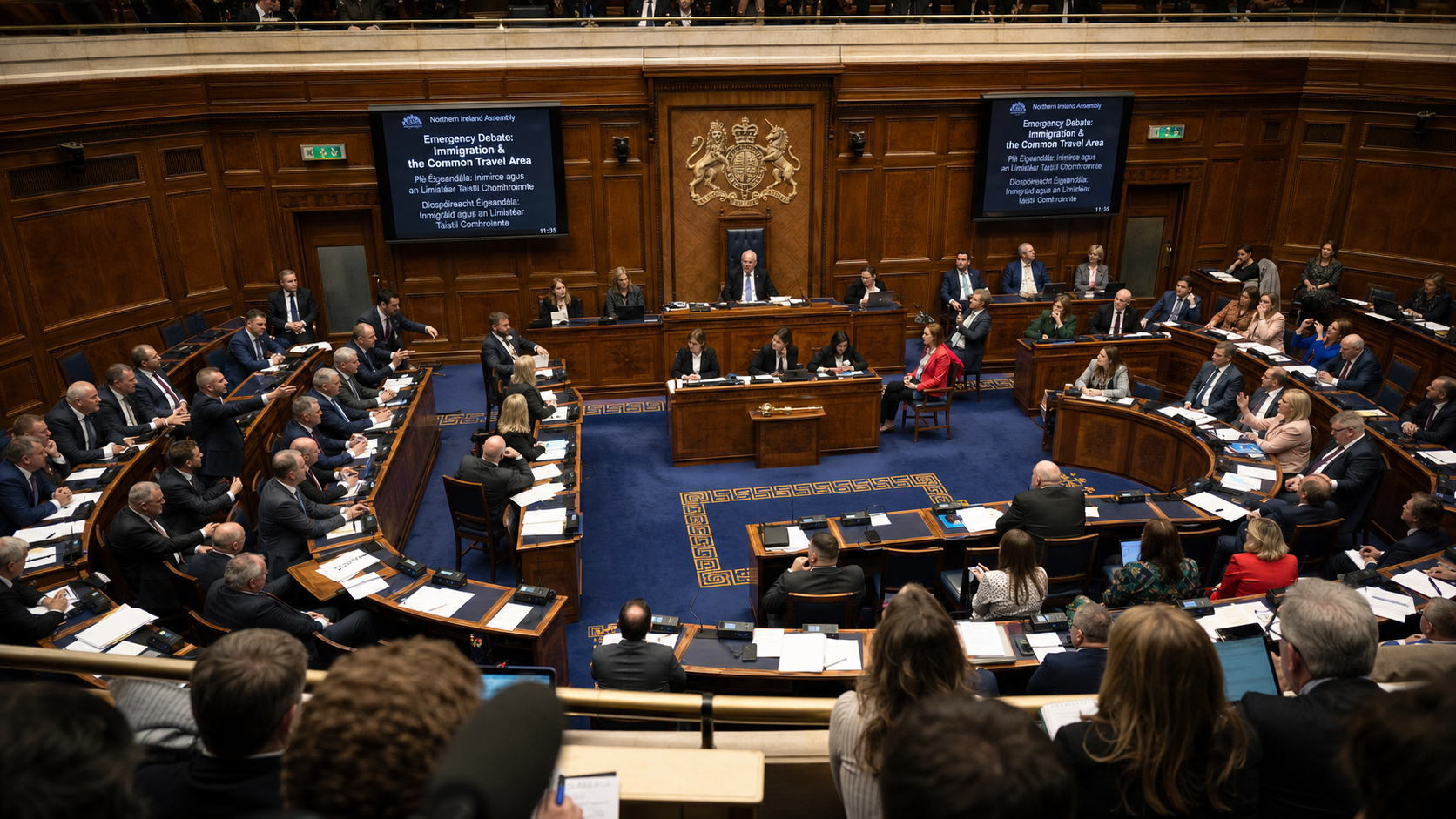
In the Dáil chamber, the debate that followed the Tánaiste's announcement was one of the most charged in recent memory, with TDs from across the political spectrum offering passionate and at times deeply personal contributions. Several TDs spoke of their own experiences visiting Gaza and the West Bank, while others raised concerns about the potential diplomatic consequences of the ban for Ireland's relationships with key allies.
The government is expected to face further scrutiny on its Middle East policy in the coming weeks, with a number of Dáil questions already tabled on the subject. The Tánaiste indicated that Ireland would continue to engage with its European partners on the issue and would push for a coordinated EU response to the situation in Gaza at the next meeting of the European Council.