HSE's Immigrant Staff Face Racism in Silence as Internal Review Exposes Systemic Failures
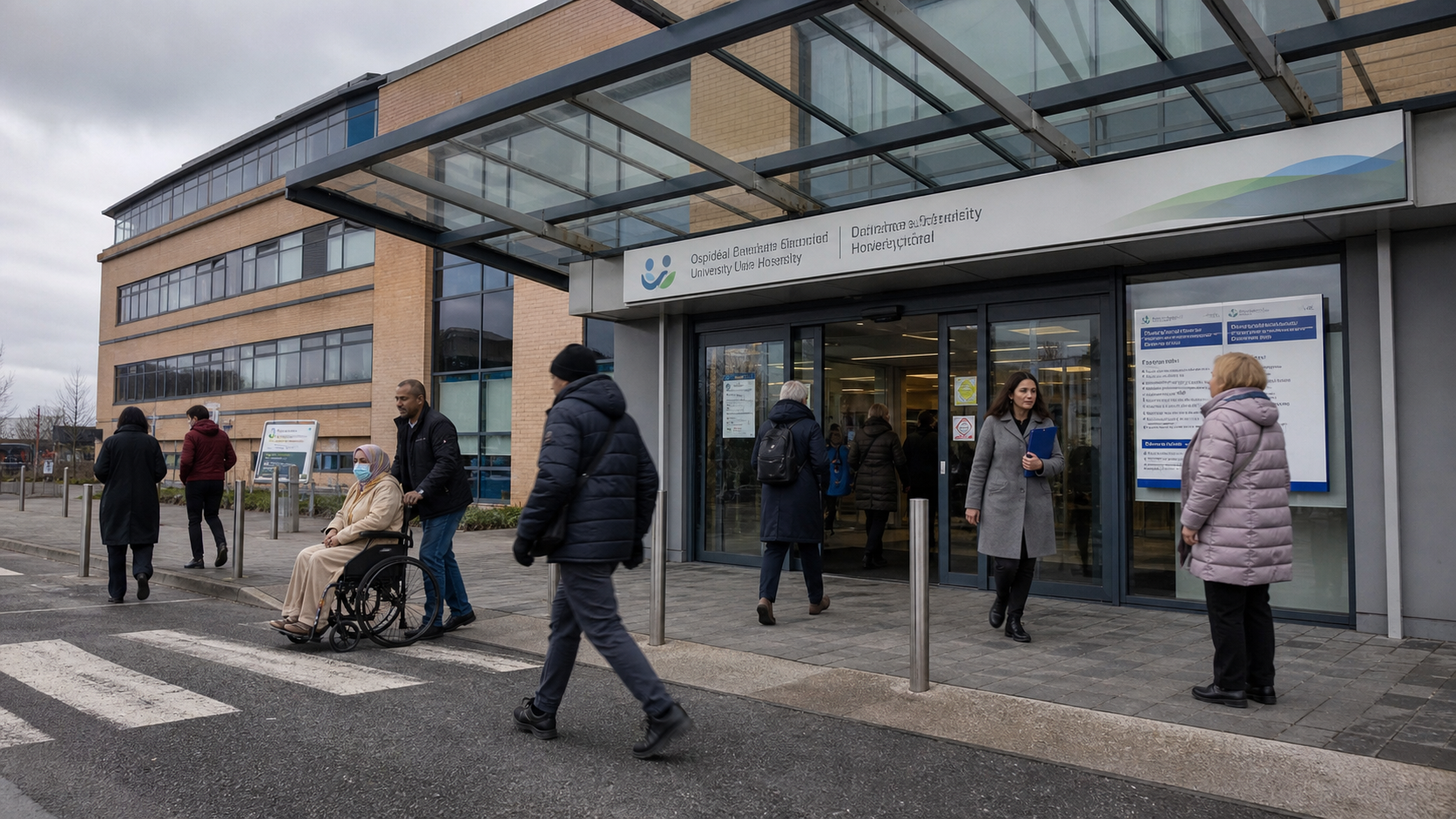
Internal assessments within the Health Service Executive have found that staff from immigrant backgrounds are routinely reluctant to report racist incidents because they believe management responses are either ineffective or non-existent — a finding that exposes a significant gap between the HSE's stated commitment to diversity and inclusion and the lived experience of the thousands of international workers who have become essential to the functioning of Ireland's health service.
Background
The HSE is one of the largest employers in Ireland, with a workforce of more than 130,000 people. In recent years, the organisation has become increasingly dependent on internationally recruited staff to fill vacancies across its clinical and non-clinical services — a trend that reflects both the global shortage of healthcare workers and the particular challenges Ireland faces in training and retaining sufficient numbers of doctors, nurses, and allied health professionals to meet the needs of a growing and ageing population. International staff now make up a significant proportion of the HSE's clinical workforce, with nurses, doctors, and healthcare assistants recruited from countries across Asia, Africa, and Eastern Europe.
The contribution of these workers to the Irish health service has been immense, and the HSE has publicly acknowledged its debt to the international staff who have chosen to build their careers in Ireland. However, the internal assessments reported in August 2026 suggest that the organisation's commitment to creating a safe and inclusive working environment for those staff has not been matched by effective action on the ground. The gap between policy and practice is a recurring theme in the assessments, which were carried out by the HSE's cultural diversity network and reviewed by senior management.
The findings are particularly significant given the scale of the HSE's international recruitment programme and the importance of retaining experienced international staff in a competitive global market. If workers from immigrant backgrounds feel unsafe or unsupported in their workplaces, they are more likely to leave — either to return to their home countries or to seek employment in other jurisdictions where they feel more valued. The cost of replacing experienced clinical staff is enormous, both financially and in terms of the disruption to patient care.
Key Developments
The internal assessments found that discriminatory behaviours toward non-white staff are prevalent within the HSE, and that many of the organisation's approximately 10,000 managers lack the experience or training to handle race-related issues effectively. Staff from immigrant backgrounds reported that they frequently choose not to report racist abuse or near-misses because they believe management responses are either ineffective or non-existent — a perception that, whether or not it accurately reflects the reality in every case, has a chilling effect on reporting and prevents the organisation from understanding the true scale of the problem.
The HSE's cultural diversity network noted that existing policies on violence, harassment, and aggression are too broad and lack specific, actionable measures to combat racism. Members of the network expressed frustration that many recommendations from equality impact assessments had been omitted from final policies, and they called for proactive rather than reactive approaches to addressing racism in the workplace. Some staff members reported that discriminatory remarks from colleagues are common, and that the absence of effective consequences for such behaviour sends a message that it is tolerated.
A spokesperson for the HSE stated that the organisation is proud of its culturally diverse workforce and remains committed to creating a safe environment where abuse is not tolerated. The HSE emphasised its gratitude toward international workers and indicated that it would take the findings of the internal assessments seriously and implement measures to address the identified gaps.
Why It Matters
The findings of the HSE's internal assessments are significant for several reasons. They reveal a gap between the organisation's stated values and the experience of a significant portion of its workforce — a gap that has real consequences for the wellbeing of individual workers and for the HSE's ability to recruit and retain the international staff it needs. They also raise broader questions about the culture of Ireland's largest public sector organisation and the extent to which it has genuinely embraced the diversity of its workforce rather than simply acknowledging it in policy documents.
The reluctance of immigrant staff to report racist incidents is a particularly troubling finding. Effective management of workplace racism requires that incidents are reported, investigated, and addressed — and if staff do not trust the reporting system to deliver meaningful outcomes, the system fails. The HSE's response to the assessments will be closely watched by staff, unions, and advocacy organisations, and the credibility of that response will depend on whether it results in concrete changes to management training, reporting procedures, and accountability mechanisms.
Local Impact
The findings have implications for HSE facilities across Ireland, from the major teaching hospitals in Dublin, Cork, and Galway to the smaller community hospitals and primary care centres that serve rural communities. International staff work in all of these settings, and the culture of each workplace is shaped by the attitudes and behaviours of local management as much as by national policy. The HSE's regional health offices have been asked to review their own practices in light of the assessments, and the organisation's human resources function is expected to develop new training materials for managers on handling race-related issues. The Irish Nurses and Midwives Organisation and SIPTU have both called for urgent action on the findings, and the issue is expected to be raised at the next meeting of the Oireachtas Health Committee.
What's Next
The HSE has indicated that it will develop a specific action plan in response to the internal assessments, with a focus on improving management training, strengthening reporting procedures, and creating more effective accountability mechanisms for racist behaviour. The cultural diversity network has called for the action plan to be developed in consultation with staff from immigrant backgrounds, rather than being imposed from above. A timeline for the implementation of the action plan has not yet been confirmed, but the HSE has indicated that it will provide an update to the Oireachtas Health Committee in the autumn. The issue is also expected to be addressed in the HSE's annual report on equality, diversity, and inclusion, which is due to be published later in 2026.