ICG Buyout Battle Intensifies as Shareholder Claims Irish Ferries Parent Undervalued by 39%
A significant institutional shareholder in Irish Continental Group has claimed that the €1.2 billion management-led buyout of the Irish Ferries parent company undervalues the business by as much as 39 per cent, adding to a growing chorus of opposition from investors who argue that the deal — recommended by the board and led by chief executive Eamonn Rothwell — is being executed at a price that fails to reflect the company's true worth.
Background
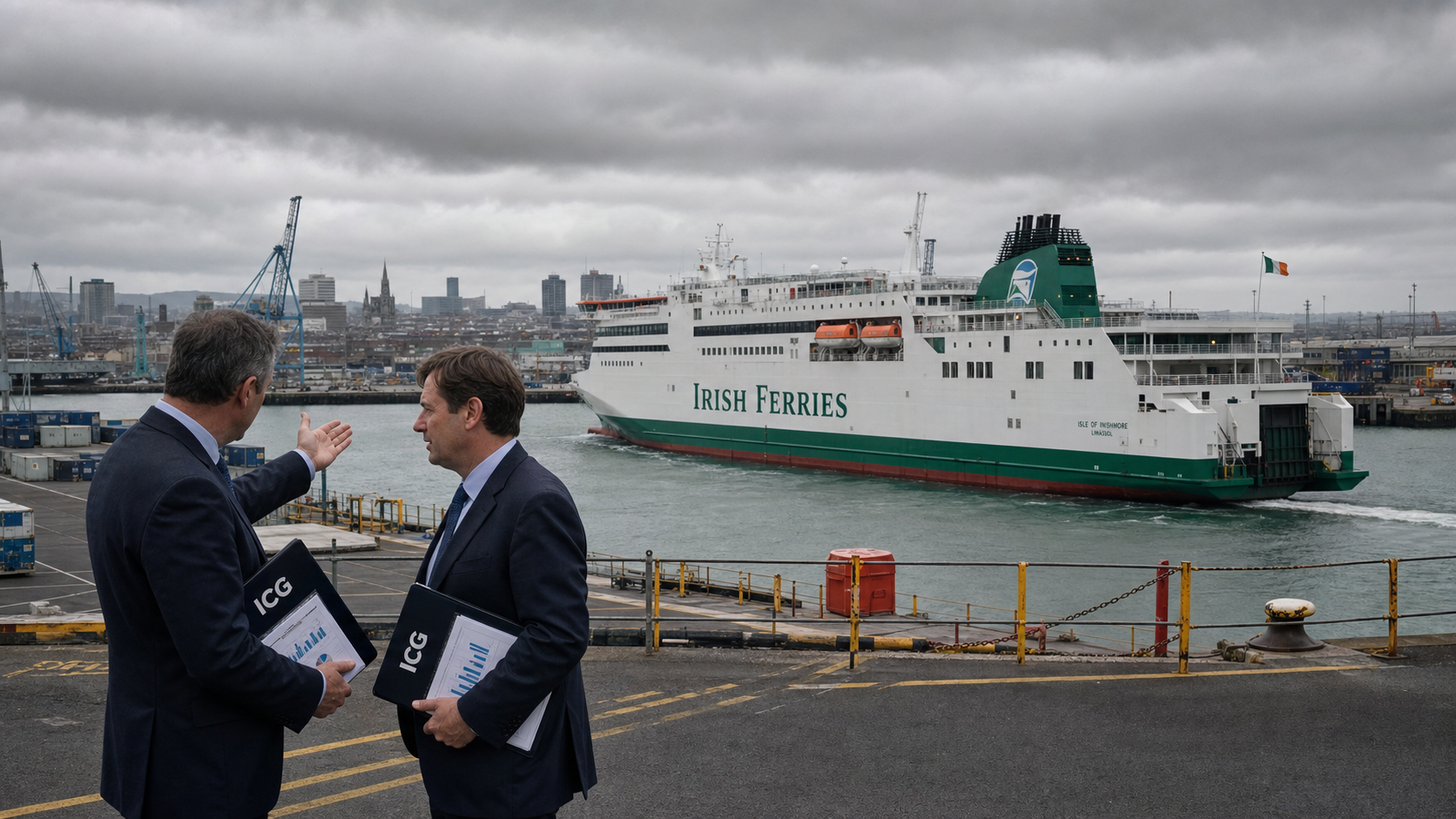
Irish Continental Group is the parent company of Irish Ferries, one of the most recognisable brands in Irish transport. The company operates ferry services between Ireland, Britain, and France, and has been a listed company on Euronext Dublin and the London Stock Exchange for decades. Its management team, led by Rothwell, has a long track record of operational success, and the company has been a consistent performer in the Irish market.
The management-led buyout was announced on July 24, 2026, with the board unanimously recommending an offer of €8.00 per share — a 28.2 per cent premium over the closing price of €6.24 on the day of the announcement. The deal is being executed by Bluefin Bidco Limited, a vehicle controlled by four ICG senior executives including Rothwell, who collectively hold approximately 23.7 per cent of the company's shares. The transaction is being financed through a combination of €455 million in preferred equity from Global Infrastructure Partners and €798 million in senior debt.
Rothwell, who led a failed buyout attempt nearly two decades ago, has argued that private ownership would better support the company's competitive position and long-term development, citing the need for flexibility regarding fleet and terminal investments and the challenges posed by fuel-cost volatility and EU emissions regulations.
Key Developments
Oxy Capital, one of the dissenting shareholders, has published a detailed analysis claiming that the €8.00 per share offer undervalues ICG by as much as 39 per cent based on sector comparisons with comparable European ferry operators. The firm has argued that the timing of the deal — coming before what it expects to be a period of improved financial reporting — is designed to prevent shareholders from benefiting from the company's underlying performance trajectory.
Other institutional investors who have expressed opposition to the deal include Marathon Asset Management, Janus Henderson, and Pageant Investments. Together, the dissenting shareholders hold a significant proportion of the company's free float, and their opposition could complicate the deal's path to the shareholder approval threshold required for completion.
The shareholder advisory firm ISS has recommended that shareholders vote in favour of the deal, a recommendation that the board has cited in its defence of the offer price. The deal is expected to be finalised in the fourth quarter of 2026, subject to shareholder approval and regulatory clearance.
Why It Matters
The ICG buyout battle is a significant corporate governance story that raises important questions about the rights of minority shareholders when management teams seek to take listed companies private. The fundamental tension in any management buyout is that the executives leading the bid have an inherent conflict of interest — they have access to inside information about the company's prospects that other shareholders do not, and they have a financial incentive to acquire the company at the lowest possible price. The dissenting shareholders' argument — that the offer price fails to reflect the company's true value — is a standard objection in buyout situations, but the scale of the claimed undervaluation (39 per cent) is unusually large and will need to be addressed convincingly if the deal is to proceed.
Local Impact
For Irish Ferries passengers and employees, the outcome of the buyout battle is unlikely to have an immediate practical impact. The company's operations will continue regardless of whether it is publicly or privately owned, and the management team leading the buyout has given assurances about the company's commitment to its Irish routes and its workforce. The longer-term implications of private ownership — including the potential for more aggressive cost management and the removal of the transparency obligations that come with stock market listing — are harder to assess. Irish Ferries is a critical piece of transport infrastructure for the island of Ireland, and its ownership structure is therefore a matter of legitimate public interest.
What's Next
A shareholder vote on the buyout is expected to be scheduled for the autumn. The dissenting shareholders have indicated they will continue to make their case to other investors in the run-up to the vote. The deal requires approval from a majority of shareholders, and the level of opposition already expressed suggests the outcome is not certain. Regulatory clearance from the Competition and Consumer Protection Commission will also be required. If the deal fails to secure shareholder approval, ICG will remain a listed company and the management team will need to develop an alternative strategy for the business.