HSE Warns of High-Risk Synthetic Cannabinoids Found in Vapes as Drug Safety Alert Issued Across Ireland
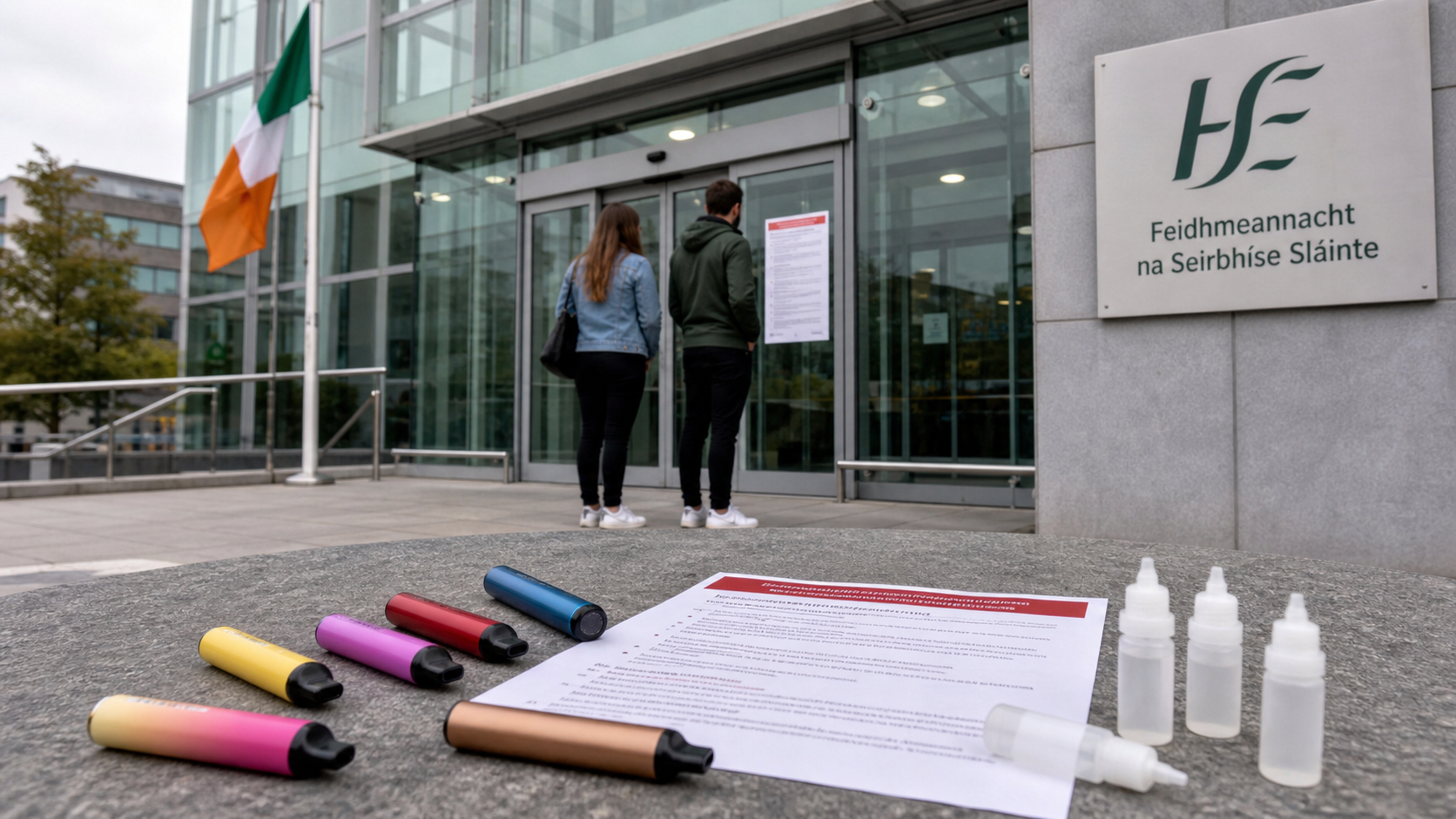
The HSE Drug Trends Lab has issued a public safety alert after discovering high-risk synthetic cannabinoids in vapes and other products circulating in Ireland, warning that these substances can cause severe and unpredictable reactions — including psychosis, seizures, and cardiac events — in a development that has alarmed public health officials and prompted urgent calls for enhanced regulation of the vaping market.
Background
Synthetic cannabinoids — sometimes marketed under names such as "Spice," "K2," or "Black Mamba" — are a class of designer drugs that mimic the effects of cannabis but are far more potent and unpredictable. Unlike natural cannabis, which contains a relatively stable mix of cannabinoids including THC and CBD, synthetic cannabinoids are manufactured chemicals that bind to the same receptors in the brain but with much greater intensity. The result can be severe and life-threatening reactions that bear little resemblance to the effects of natural cannabis.
The discovery of synthetic cannabinoids in vaping products is a particularly concerning development because vaping has become one of the most common methods of drug consumption among young people in Ireland. The HSE's most recent drug use survey found that vaping rates among 15-24 year olds have increased significantly in recent years, and the availability of vaping products through online retailers and convenience stores has made them easily accessible to young people who may not be aware of the risks associated with the products they are consuming.
The HSE Drug Trends Lab, which monitors the composition of drugs circulating in Ireland through a network of testing services and harm reduction organisations, has been tracking the emergence of synthetic cannabinoids in the Irish drug market for several years. The discovery of these substances in vaping products represents a new and particularly dangerous development, as the vaping format makes it difficult for users to identify what they are consuming and can deliver high doses of the substance rapidly.
Key Developments
The HSE Drug Trends Lab issued its alert this week, warning that synthetic cannabinoids have been found in vapes and other products that may be marketed as containing natural cannabis or as being drug-free. The alert notes that synthetic cannabinoids can cause a range of severe reactions, including acute psychosis, seizures, cardiac arrhythmias, and in some cases death. The unpredictability of these reactions — which can occur even in people who have used the products before without apparent ill effects — makes them particularly dangerous.
The alert advises anyone who experiences severe symptoms after using a vaping product — including confusion, agitation, rapid heartbeat, difficulty breathing, or loss of consciousness — to seek emergency medical attention immediately. It also advises people not to use vaping products purchased from unregulated sources, including online retailers and street dealers, and to be aware that products marketed as containing natural cannabis or CBD may in fact contain synthetic cannabinoids.
The HSE has also written to the Department of Health and the Health Products Regulatory Authority (HPRA) calling for enhanced regulation of the vaping market, including mandatory testing of vaping products before they can be sold in Ireland. The current regulatory framework for vaping products is widely regarded as inadequate, with many products entering the Irish market without any meaningful quality or safety testing.
Why It Matters
The discovery of synthetic cannabinoids in vaping products is a serious public health concern for several reasons. The substances involved are genuinely dangerous — capable of causing severe and life-threatening reactions in otherwise healthy young people — and their presence in products that may be perceived as relatively harmless (vapes marketed as containing natural cannabis or CBD) creates a significant risk of accidental exposure. The fact that these products are easily accessible to young people, including those under the legal age for purchasing vaping products, makes the situation particularly urgent.
The alert also highlights the broader challenge of regulating a rapidly evolving drug market in which criminal networks are constantly developing new products designed to evade existing regulations. Synthetic cannabinoids are a prime example of this phenomenon: they were developed specifically to mimic the effects of cannabis while avoiding the legal restrictions that apply to natural cannabis, and they have been modified repeatedly as regulators have moved to ban specific compounds. The discovery of these substances in vaping products represents the latest evolution of this cat-and-mouse dynamic.
Local Impact
The HSE alert has been distributed to GPs, pharmacists, emergency departments, and harm reduction services across Ireland. In Dublin, where the drug market is most active and where the HSE Drug Trends Lab has the most comprehensive monitoring data, the alert has been shared with community organisations working with young people and with the services that provide drug testing and harm reduction support. In other cities and towns, local drug and alcohol task forces have been briefed on the alert and are working to disseminate the information to the communities they serve. Schools and youth organisations have also been contacted, with the HSE providing guidance on how to communicate the risks to young people in an age-appropriate and non-alarmist way.
What's Next
The HSE Drug Trends Lab will continue to monitor the composition of drugs circulating in Ireland and will issue further alerts if additional dangerous substances are identified. The Department of Health is expected to respond to the HSE's call for enhanced regulation of the vaping market in the coming weeks, with a consultation process on new regulatory measures likely to be announced before the end of the year. The HPRA is also reviewing its approach to the regulation of vaping products, with a particular focus on the enforcement of existing rules and the development of new testing requirements. Anyone with concerns about drug use — their own or that of someone they know — can contact the HSE's drugs helpline on 1800 459 459.