HSE Waiting Lists Rise to 894,369 as Monthly Figures Published Amid €250m Overspend Warning
The HSE's monthly waiting list figures, published on 12 June, show that national waiting lists rose by 86,300 patients during 2025 to reach 894,369 by year-end — a record high that has prompted renewed calls for emergency investment in elective care capacity, as the health service simultaneously grapples with a €250 million overspend by the end of March 2026 and a hiring pause on non-frontline roles.
Background
Ireland's hospital waiting lists have been a persistent and worsening problem for the better part of two decades. The combination of an ageing population, rising rates of chronic disease, and a health system that has historically been underfunded relative to comparable European countries has produced a situation in which hundreds of thousands of people are waiting for outpatient appointments, diagnostic procedures, and elective surgeries. The waiting list crisis is not merely a statistical problem — it represents real suffering for real people, many of whom are living with pain, disability, and anxiety while they wait for treatment.
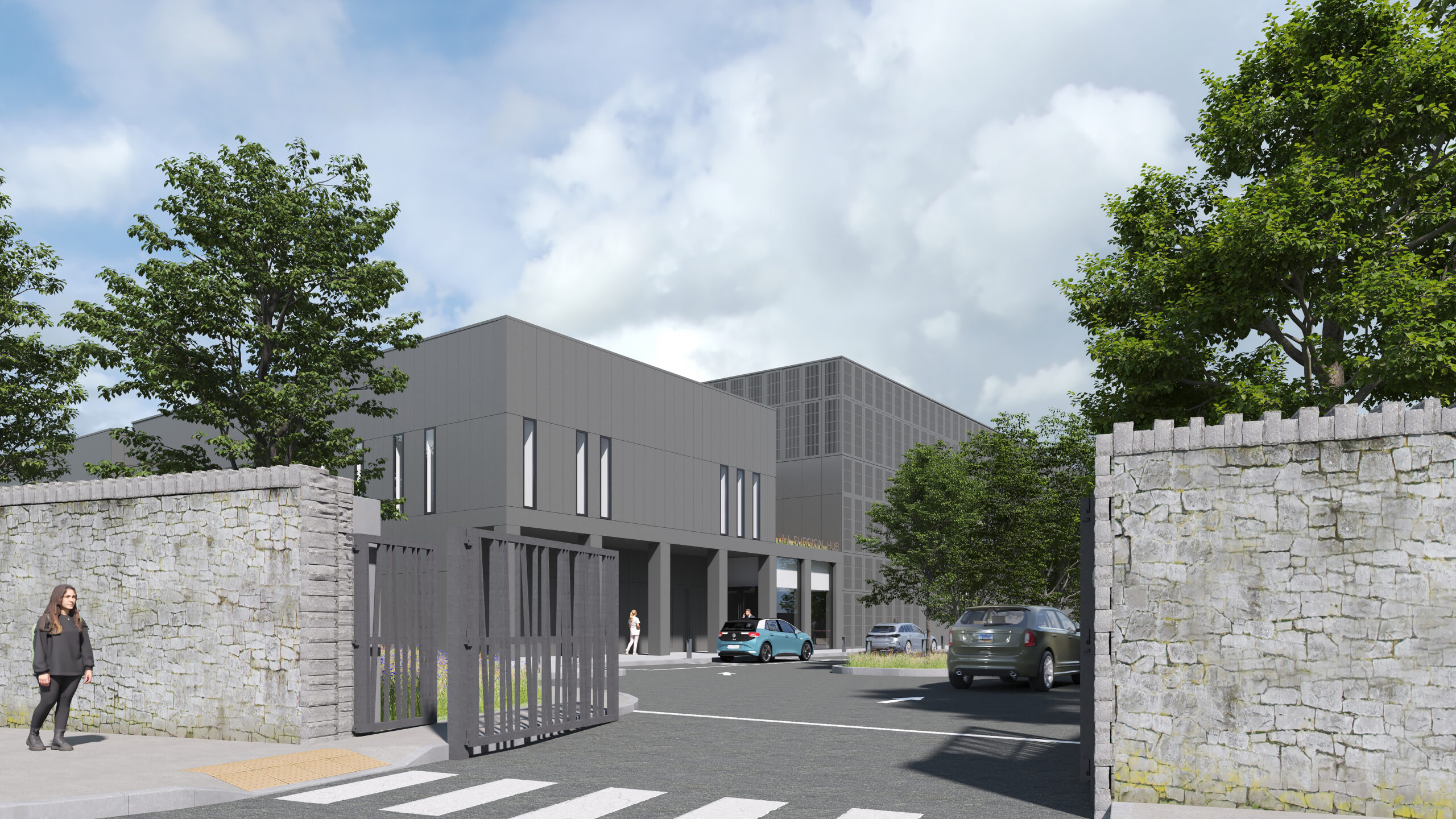
The HSE's 2026 National Service Plan, backed by a €29 billion budget, included ambitious targets for waiting list reduction, including the opening of five new Surgical Hubs in Cork, Galway, Waterford, Limerick, and Swords. The Surgical Hubs are designed to deliver additional elective procedures by separating planned care from emergency services, and they represent a significant investment in the infrastructure needed to address the waiting list crisis. However, the pace of delivery has been criticised by opposition parties and patient advocacy groups as insufficient.
The HSE's financial position has added a further layer of complexity to the waiting list challenge. The health service reported a €250 million overspend by the end of March 2026, driven by rising demand, workforce costs, and the ongoing impact of the COVID-19 pandemic on the health system. In response, the HSE has implemented a hiring pause on non-frontline roles, which has slowed the expansion of the workforce needed to deliver the additional capacity promised in the National Service Plan.
Key Developments
The monthly waiting list figures published on 12 June show that 894,369 patients were on waiting lists at the end of 2025 — an increase of 86,300 on the previous year. The figures cover outpatient waiting lists, inpatient and day case waiting lists, and diagnostic waiting lists, and they represent the most comprehensive picture of the scale of the waiting list crisis available. The figures have been described by patient advocacy groups as "shocking" and "unacceptable."
The proposed closure of a 10-bed Child and Adolescent Mental Health Services unit at St Vincent's Hospital in Fairview has added to the controversy surrounding the HSE's management of mental health services. The Psychiatric Nurses Association has opposed the closure, citing the fact that only 50 CAMHS beds are currently operating in Ireland against a recommended minimum of 100. The closure, which is planned for Q3 2026, would reduce the already inadequate CAMHS bed capacity at a time when demand for child and adolescent mental health services is rising.
The HSE's 2026 National Service Plan includes a record expansion of mental health services, with 300 new staff posts and 11 new CAMHS beds at Linn Dara. However, advocacy groups have warned that these additions will be undermined if the Fairview closure proceeds as planned, and they have called on Health Minister Jennifer Carroll MacNeill to intervene to prevent the closure.
Why It Matters
The waiting list figures are significant because they demonstrate the scale of the gap between the HSE's ambitions and its delivery. The National Service Plan's targets for waiting list reduction are ambitious, but the combination of rising demand, financial constraints, and workforce shortages is making it extremely difficult to achieve them. The 86,300 increase in waiting list numbers during 2025 — a year in which the HSE was supposed to be making progress on reducing lists — suggests that the system is moving in the wrong direction.
The CAMHS situation is particularly concerning. Child and adolescent mental health services are among the most underfunded and under-resourced areas of the Irish health system, and the consequences of inadequate provision are severe — for the children and young people who cannot access treatment, for their families, and for the broader health system, which will face the long-term consequences of untreated mental health conditions. The proposed Fairview closure, if it proceeds, will make a bad situation worse.
The €250 million overspend is a reminder that the HSE's financial management challenges are structural rather than cyclical. The health service has been overspending its budget consistently for several years, and the pattern suggests that the allocated budget is insufficient to meet the demand for services. This is a political as much as a financial problem — it reflects decisions about the level of public investment in health that successive governments have made over many years.
Local Impact
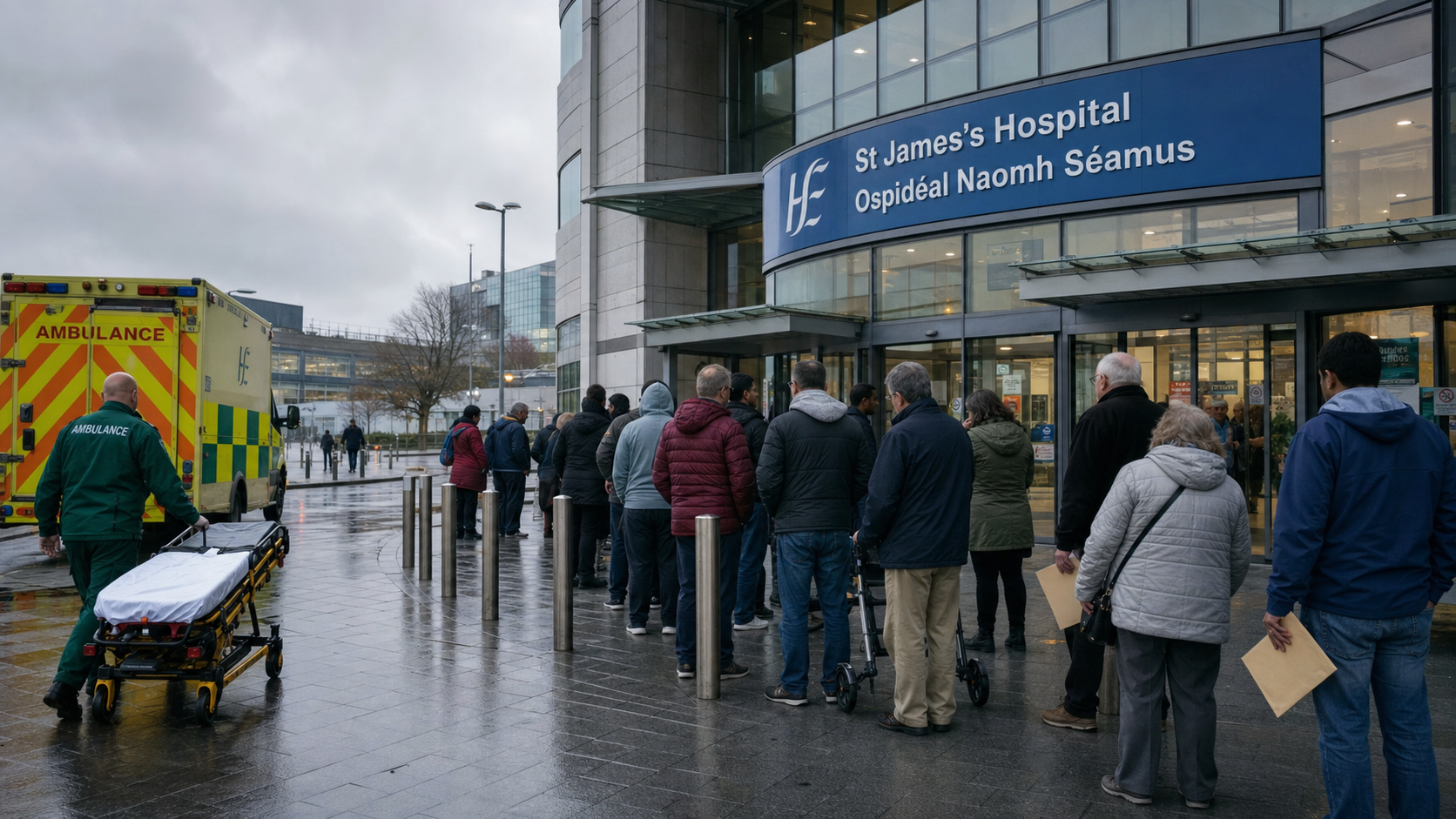
Across Ireland, the waiting list figures have a direct and tangible impact on the lives of hundreds of thousands of people. In Dublin, where the largest hospitals are concentrated, the waiting lists for specialist outpatient appointments can extend to several years for some specialties. In Cork, Galway, and Limerick, the new Surgical Hubs are beginning to make a difference, but the scale of the backlog means that progress is slow. In rural areas, where access to specialist services is more limited, the waiting list crisis is compounded by the additional burden of travel to urban centres for appointments.
What's Next
The HSE will publish its next monthly waiting list figures in July, providing an updated picture of the scale of the crisis. Health Minister Jennifer Carroll MacNeill is expected to make a statement on the waiting list figures and on the proposed Fairview CAMHS closure in the coming days. The Oireachtas Health Committee is expected to hold hearings on the waiting list crisis in the autumn, with the HSE's chief executive and senior management expected to appear before the committee. Budget 2027 will be the next major opportunity for increased investment in elective care capacity and mental health services.