HSE Internal Audit Exposes Systemic Safety Failures: No Mandate, No Tracking, 16 Hospitals Without Safety Officers
A devastating internal audit of the Health Service Executive's own health and safety oversight function has found systemic failures so serious that auditors warned they could lead to "serious incidents or injuries" across the Irish health system. The audit, which was released this week, found that the HSE's national health and safety body operates without a formal mandate, that there is no centralised system for tracking thousands of required safety improvements, and that 16 of the country's 33 acute hospitals are operating without a designated safety officer — a legal requirement under Irish workplace safety law.
Background
The Health Service Executive is the largest employer in the state, with more than 130,000 staff working across hospitals, community health centres, mental health services, and disability services throughout the country. The safety of those staff — and of the patients and service users in their care — is a fundamental responsibility of the organisation, and one that is governed by a complex web of legislation, regulation, and internal policy.
The HSE's national health and safety function is the body responsible for overseeing compliance with safety requirements across the entire organisation. It is supposed to provide leadership, guidance, and oversight on health and safety matters, to track the implementation of safety improvements identified through audits and incident investigations, and to ensure that the organisation is meeting its legal obligations as an employer.
The internal audit that has now been released was conducted by the HSE's own internal audit team — not by an external body — which makes its findings all the more striking. When an organisation's own auditors find systemic failures of this magnitude, it suggests that the problems are deeply embedded and have been allowed to develop over a significant period of time.
Key Developments
The Journal.ie reported on the audit's findings this week, highlighting several specific failures that the auditors described as "high risk." The most fundamental was the absence of a formal mandate for the national health and safety function — meaning that the body responsible for overseeing safety across the entire HSE does not have a clear, documented statement of its authority, responsibilities, and accountability. Without such a mandate, the auditors found, the function cannot effectively discharge its responsibilities or hold other parts of the organisation to account.
The audit also found that there is no centralised system for tracking the implementation of safety improvements identified through audits, inspections, and incident investigations. This means that when a safety problem is identified — whether through a formal audit, a near-miss report, or an investigation into a serious incident — there is no reliable mechanism for ensuring that the required corrective action is actually taken. The auditors estimated that thousands of required safety improvements may be outstanding across the organisation, with no systematic way of knowing which have been completed and which have not.
Perhaps most alarming was the finding that 16 of the country's 33 acute hospitals are operating without a designated safety officer — a role that is required by law under the Safety, Health and Welfare at Work Act. The absence of a safety officer means that these hospitals lack a dedicated professional responsible for identifying and managing safety risks, investigating incidents, and ensuring compliance with safety legislation.
Why It Matters
The audit findings matter because they reveal a fundamental failure of governance at the heart of Ireland's health system. The HSE is responsible for the safety of more than 130,000 employees and millions of patients and service users. The finding that its own safety oversight function lacks a mandate, cannot track safety improvements, and has allowed 16 hospitals to operate without safety officers is not a minor administrative failing — it is a systemic failure that creates real risks of harm.
The auditors' warning that the failures could lead to "serious incidents or injuries" is not rhetorical. In a healthcare setting, safety failures can have catastrophic consequences — for patients, for staff, and for the organisation's ability to deliver care. The history of healthcare safety in Ireland and internationally is full of examples of systemic failures that were identified in audits and reports but not acted upon, with tragic results.
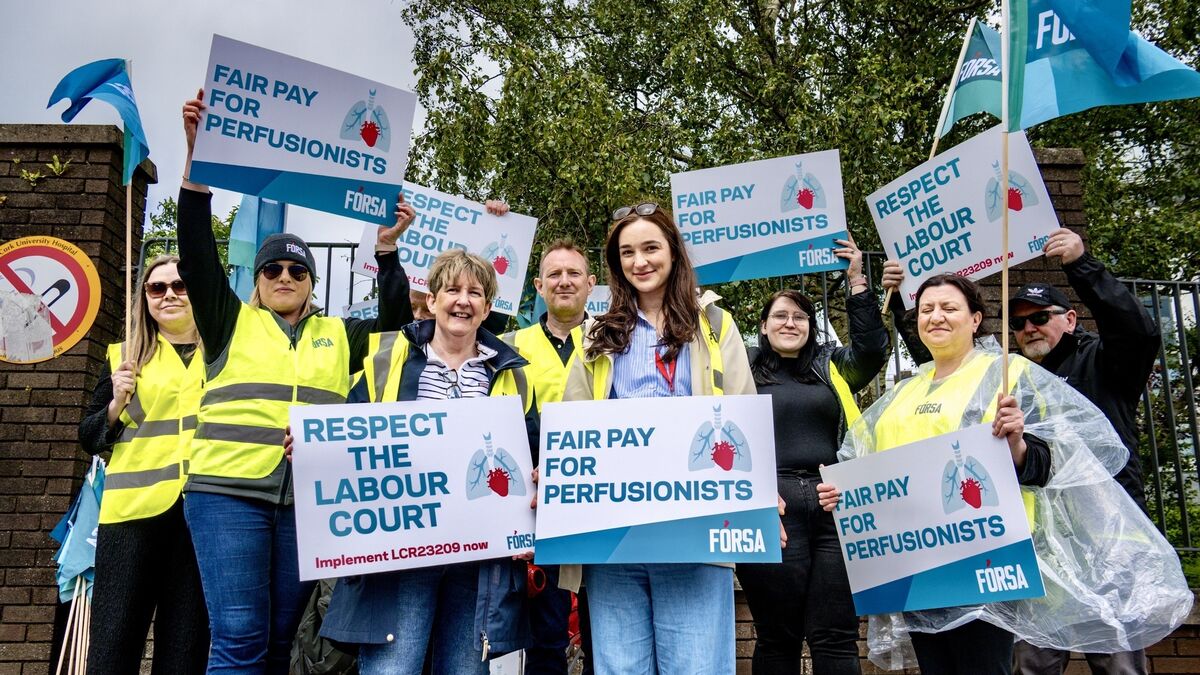
The timing of the audit's release is also significant. It comes in the same week as the perfusionists' strike, which has highlighted the HSE's difficulties with workforce management and industrial relations. Together, the two stories paint a picture of an organisation that is struggling to manage its most fundamental responsibilities — the safety of its staff and the delivery of care to its patients.
Local Impact
The practical impact of the audit findings is felt across every hospital and health centre in the country. In the 16 acute hospitals without a designated safety officer, staff are working without the dedicated professional support that the law requires them to have. In hospitals where safety improvements have been identified but not tracked, there is a risk that known problems are going unaddressed. For patients, the absence of effective safety oversight increases the risk of preventable harm — a risk that is already too high in a system that is under severe pressure.
What's Next
The HSE has acknowledged the audit's findings and has committed to developing an action plan to address them. The organisation has indicated that it will prioritise the appointment of safety officers to the 16 hospitals that currently lack them and will develop a centralised tracking system for safety improvements. The Department of Health is expected to request a formal briefing on the audit's findings and the HSE's response. The Oireachtas Health Committee is expected to hold a hearing on the matter in July, at which HSE management will be asked to account for the failures identified in the audit and to set out a timeline for their resolution.