Consultants Launch Legal Challenge to Public-Only Surgical Hubs in Blow to Sláintecare Reform
Two hospital consultants have launched separate judicial review proceedings against the HSE, seeking to overturn the policy that restricts the new publicly funded regional surgical hubs to treating public patients only — a legal challenge that threatens one of the government's most important strategies for reducing hospital waiting lists that have surpassed 825,000 patients, and that has prompted Health Minister Jennifer Carroll MacNeill to apply to be joined to the proceedings as a notice party.
Background
The rollout of regional surgical hubs — dedicated day-case facilities designed to carry out high-volume, low-complexity procedures that are currently clogging up the main hospital system — has been one of the most significant elements of the government's strategy for tackling Ireland's chronic hospital waiting list crisis. The hubs, of which five are planned across the country, are intended to provide a dedicated stream of elective surgical capacity that is insulated from the pressures of emergency medicine and that can operate at high efficiency and throughput.
The policy that these publicly funded hubs should treat only public patients is central to the Sláintecare reform agenda, which aims to create a single-tier health system in which access to care is determined by clinical need rather than ability to pay. The government's position is that if public money is used to build and operate the hubs, then the benefits should flow exclusively to public patients — the people who are waiting longest for care and who have the least ability to access private alternatives.
The consultants who have launched the legal challenge take a different view. They argue that the restriction on treating private patients in the hubs is unlawful, and that they should be entitled to treat private patients in publicly funded facilities in the same way that they have historically been able to do in public hospitals. The legal challenge is supported by the Irish Hospital Consultants Association, which has been critical of the Sláintecare reform agenda and which regards the public-only restriction as an infringement of consultants' professional rights.
Key Developments
The judicial review proceedings were initiated in June 2026, with the two consultants seeking orders from the High Court that would require the HSE to allow them to treat private patients in the new surgical hubs. The legal challenge is based on a number of grounds, including arguments about the consultants' contractual rights and about the legality of the HSE's policy under Irish and EU law. The proceedings are at an early stage, and it is likely to be several months before the case comes to a full hearing.
Health Minister Jennifer Carroll MacNeill has applied to be joined to the proceedings as a notice party, a move that signals the government's intention to defend the public-only policy vigorously. The minister has been unequivocal in her support for the policy, describing it as essential to the delivery of the Sláintecare reform agenda and warning that allowing private patients into the hubs would undermine the entire rationale for building them. She has also noted that the hubs are being built with public money and that it would be inappropriate for that money to be used to provide services to private patients who have the means to access care through other channels.
The waiting list figures that provide the context for this dispute are stark. Public hospital waiting lists have surpassed 825,000 patients, a figure that represents a significant proportion of the Irish population and that reflects decades of underinvestment in elective care capacity. The surgical hubs are intended to make a significant dent in these waiting lists by providing dedicated capacity for the procedures that account for the largest volumes of waiting patients — cataracts, hip and knee replacements, hernia repairs, and similar high-volume elective procedures.
Why It Matters
The legal challenge to the surgical hubs matters because it goes to the heart of the Sláintecare reform agenda and of the government's ability to deliver on its commitment to a single-tier health system. If the courts were to rule in favour of the consultants and require the HSE to allow private patients into the hubs, it would fundamentally undermine the rationale for the public-only policy and would set a precedent that could be used to challenge other elements of the Sláintecare programme. It would also mean that the benefits of the new capacity would be shared between public and private patients, reducing the impact on the waiting lists that the hubs are designed to address. The outcome of the legal challenge will be one of the most important developments in Irish health policy in 2026.
Local Impact
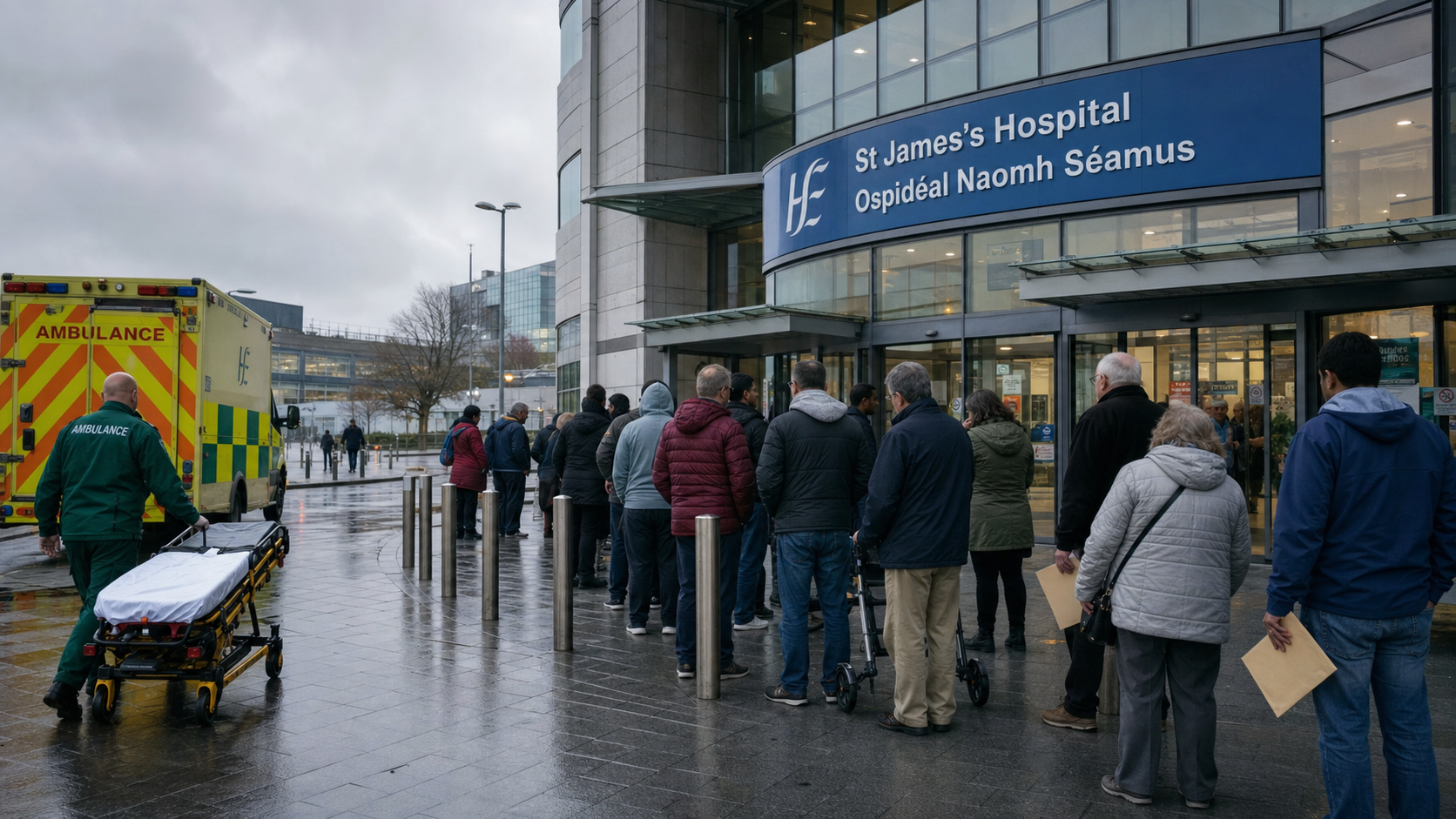
The impact of the legal challenge is felt most directly by the hundreds of thousands of patients on public hospital waiting lists who are hoping that the surgical hubs will provide them with faster access to the procedures they need. For these patients — many of whom have been waiting for years for hip replacements, cataract operations, or other procedures that would significantly improve their quality of life — the prospect of the hubs being opened to private patients is a source of anxiety and frustration. The five planned hubs are located in Dublin, Cork, Galway, Limerick, and the north-east, and their impact on waiting lists in each of these regions will depend on the volume of procedures they can carry out and the efficiency with which they operate.
What's Next
The judicial review proceedings are expected to come to a preliminary hearing in the High Court in the coming months, with a full hearing likely in late 2026 or early 2027. The HSE and the Department of Health will be preparing their legal defence of the public-only policy, and the minister has indicated that she is confident that the policy is lawful and will be upheld by the courts. The first of the five surgical hubs is expected to begin operating in the coming months, providing an early test of the model's effectiveness. The government will be hoping that the hubs can demonstrate their value in reducing waiting lists before the legal challenge is resolved, building a body of evidence that supports the public-only policy.